Project Relate | Google for India 2022 - Ad Analysis

AI Editor notes
Straight from the gut!!
“This is classic Google—a polished, heart-string-pulling mini-documentary. It’s hard not to feel something. The story of Chandani is genuinely moving. But as a strategist, I see the formula: find a powerful human problem, present your tech as the magic solution, and wrap it in beautiful cinematography. It's incredibly effective brand-building, almost to the point of feeling like emotional manipulation. It works, but it makes you forget you're watching an ad from one of the world's largest corporations.”
Quick Summary
This ad isn't about selling a product; it's about cementing Google's brand identity as a benevolent force for good. By telling a deeply personal and emotional story of one woman's journey from isolation to empowerment, Google masterfully demonstrates its 'AI for good' mission, making the abstract concept of advanced technology feel profoundly human and essential.
Executive Summary
Google's 'Project Relate' is less of an advertisement and more of a short documentary, a tactic Google has perfected to build its brand halo. The piece operates on a simple, universal insight: the deep human need for connection and the dignity that comes from being understood. By focusing on this truth, the ad transcends product features and speaks directly to a fundamental aspect of the human condition.
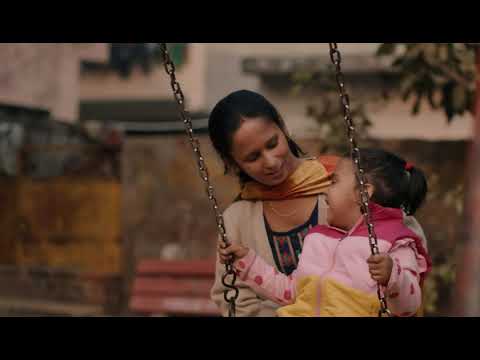
The execution follows a classic Problem-Solution-Proof structure, delivered with cinematic grace. The Problem is established immediately and emotionally through the testimony of Chandani and her husband. We don't just hear about her struggles; we see them in her hesitant interactions and the quiet sadness in her eyes. This grounds the conflict in a real, relatable human experience of isolation. The Solution arrives as a clear turning point: the introduction of Google's 'Project Relate' app. The technology isn't just mentioned; it's presented as the specific key that can unlock her world. The Proof is the most compelling part of the film. We see the app working in practical, everyday scenarios—buying a dress, talking to a teacher. These scenes directly pay off the problems set up earlier, demonstrating the product's efficacy and, more importantly, its life-changing impact. The final shot of her confidently interacting with her daughter is the emotional climax, symbolizing her restored agency and connection.
The debrief for the creative team here is clear: authenticity is your most powerful tool. Using a real family, not actors, gives the story an undeniable gravity that no scripted performance could match. It proves that for brand-building, a compelling human story where the brand can play a credible, heroic role is far more effective than celebrity endorsements or flashy visuals. It reinforces Google's image as an innovator that is not just building technology for its own sake, but applying it thoughtfully to solve real, deeply human problems.
Theme Keywords
Brand Position
The intelligent, empathetic tool that empowers human potential.
Brand Archetype
The Caregiver
Creative Game Plan
Tell the true, intimate story of one person to illustrate the life-changing impact of our most complex technology.
Diagnosis: Issues & Solutions
Primary Issue: Clarity of "What's Next?"
The Problem:
The ad does a masterful job of building emotional capital but fails to provide an outlet for it. After feeling moved and inspired, the audience is left with no clear path to engage further with Google's mission. The film ends, and the moment is lost.
The Solution:
Incorporate a simple, non-commercial call-to-action on the end card, such as 'See how technology is creating a more inclusive world. [google.org/accessibility]'. This would channel the goodwill into brand exploration and reinforce the message's substance.
Secondary Issue: Strategic Sense
The Problem:
The film brilliantly showcases the 'Project Relate' pilot but could do more to connect this niche project to Google's core products. The viewer might perceive this as a small, isolated CSR project rather than a representation of a broader commitment that improves the technology everyone uses.
The Solution:
Subtly add a line in the closing super or voiceover that connects the learnings from Project Relate to improvements in the main Google Assistant, framing it as 'research that helps a few, and improves the experience for all'.
Additional Notes
Related Links
Credits
Share this Analysis
More Google ad breakdowns
- Veo3 Launches in IndiaGoogle
- Introducing Gangoogly, Sourav Gangoogly 😉Google
- Make Everyday Easier With GeminiGoogle
- Google x Baker Boy | Helping you help othersGoogle
- Google Impact Challenge | UK 2013 - A better world, fasterGoogle
- Move On Dengan Bantuan GoogleGoogle
- Suaramu Inspirasi Mereka #SelamatHariKartiniGoogle
- Helping you help othersGoogle