Google Demo Slam: Chubby Bunny - Ad Analysis

AI Editor notes
Straight from the gut!!
“This is how you do a demo. It's not slick, corporate, or polished—and that's why it works. It feels like something you'd find on YouTube naturally, not an ad. They took their tech, put it in the hands of real kids playing a real game, and let the product prove itself. It's honest, funny, and incredibly persuasive without even trying to 'sell' you anything. Just a solid, smart piece of marketing.”
Quick Summary
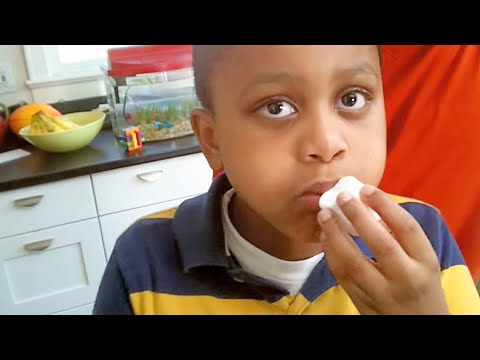
This ad's effectiveness comes from a simple, powerful idea: instead of telling people a piece of technology works, show it surviving an absurdly difficult and relatable human test. It turned a potentially dry product demo for Google Voice Search into a piece of hilarious, shareable entertainment by leveraging the authentic, user-generated feel of early YouTube.
Executive Summary
The 'Chubby Bunny' Demo Slam is a masterclass in shedding corporate polish to achieve genuine connection. At a time when tech advertising was often sterile and feature-obsessed, Google took a sharp left turn. The campaign's core insight is that consumers, especially a younger, more cynical online audience, don't trust marketing claims—they trust observable proof. And the most entertaining proof is often a 'torture test'. The ad smartly avoids any lofty claims about AI or algorithms. Instead, it frames the product's value within a universally understood, low-fi human challenge. This juxtaposition of high-tech software and a silly game with marshmallows is what gives the ad its power.
The execution follows a simple Product Demo format, but it’s elevated by its narrative structure. The setup is the explanation of the rules, establishing the stakes: can the technology understand them? The central conflict is the escalating difficulty of the Chubby Bunny game, creating natural suspense. With each successful voice search, the product proves its capability. The climax isn't just a win or a loss; it's the moment the technology finally fails, which paradoxically makes the preceding successes feel even more impressive and authentic. The visual style, mimicking user-generated content with its handheld camera and natural lighting, was crucial. It made the spot feel native to the YouTube platform in 2010, ensuring it would be received as entertainment first and advertising second. This allowed Google to demonstrate its product's superiority without the defensive posture of a typical ad.
The debrief for any team watching this is clear: authenticity is your most valuable asset. The raw, unscripted feel of this video is what makes it work. It teaches that the best way to demonstrate a product's strength is to find a creative, relatable, and extreme use case that allows the product to become the hero of a story, rather than just the subject of a sales pitch. It proves that a small, clever idea can have far more impact than a massive production budget.
Theme Keywords
Brand Position
The friendly, surprisingly powerful, and accessible technology that works in the real world, not just a lab.
Brand Archetype
The Magician (making complex technology seem effortless and magical) with a touch of the Jester (playful and fun).
Creative Game Plan
Demonstrate the surprising power of Google's voice recognition by subjecting it to the hilarious and extreme 'Chubby Bunny' challenge.
Diagnosis: Issues & Solutions
Primary Issue: Clarity of "What's Next?"
The Problem:
The single biggest missed opportunity is the weak call-to-action. The ad does a phenomenal job of making you believe in the product, but then leaves the viewer with no clear, immediate next step beyond a URL buried in the description box.
The Solution:
Add a simple, 3-second end card with text like: 'Think your voice is clearer? Try Google Voice Search.' This would have directly prompted user engagement and channeled the excitement generated by the video into product trials.
Secondary Issue: Strategic Sense
The Problem:
The ad lives as a standalone piece of entertainment but doesn't do enough to promote the broader 'Demo Slam' campaign it was part of. Viewers might love the video without ever realizing it was a contest they could participate in.
The Solution:
A simple animated bug or end-card text saying 'This is a Google Demo Slam. Submit your own.' could have turned viewers into participants, amplifying the crowd-sourced nature of the entire campaign.
Additional Notes
Related Links
Credits
Share this Analysis
More Google ad breakdowns
- Veo3 Launches in IndiaGoogle
- Introducing Gangoogly, Sourav Gangoogly 😉Google
- Make Everyday Easier With GeminiGoogle
- Google x Baker Boy | Helping you help othersGoogle
- Google Impact Challenge | UK 2013 - A better world, fasterGoogle
- Move On Dengan Bantuan GoogleGoogle
- Project Relate | Google for India 2022Google
- Suaramu Inspirasi Mereka #SelamatHariKartiniGoogle