Esselunga | The Peach - Ad Analysis

AI Editor notes
Straight from the gut!!
“This is a gutsy, beautifully made film that wades into very deep water. Tying a brand to the sensitive topic of parental separation is a huge risk. Does it work? It definitely gets you talking. But it feels heavy. I'm left wondering if a supermarket is the right authority to mediate this kind of family dynamic. The link between the grocery run and the emotional payload is a bit of a stretch.”
Quick Summary
This ad positions Esselunga not as a store, but as a silent, empathetic character in the complex stories of modern family life. It argues that a simple act of shopping is never just transactional; it's deeply tied to our relationships, and a single item—a peach—can become a powerful gesture of love and a bridge for communication.
Executive Summary
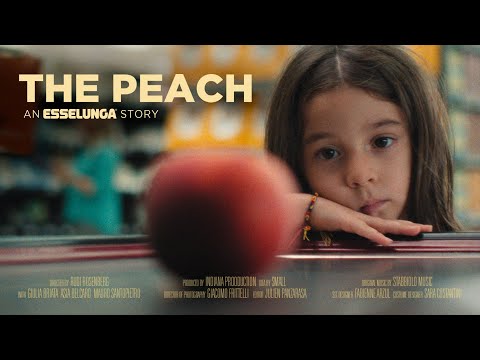
Esselunga’s ‘The Peach’ is a deliberate move away from traditional grocery advertising, which typically focuses on price, freshness, or idealized family meal times. Instead, the brand and its agency, SMALL, have crafted a cinematic short film that positions the supermarket as the backdrop for the complex, poignant dramas of modern life. This is less an ad about what you can buy and more about why you buy it.
The core strategy is to build brand equity through a powerful emotional narrative. The ad recognizes that its audience's lives aren't perfect, cookie-cutter scenarios. By tackling the sensitive topic of separated parents, Esselunga aims to portray itself as a brand that understands the nuanced realities of its customers, earning their respect and emotional loyalty. The peach itself is a masterfully simple plot device, transforming from a child's whim into a symbol of hope, a message in a bottle between two parents who can no longer speak easily. It’s the physical manifestation of the tagline: 'Your groceries are never just groceries.'
The execution follows a classic narrative arc of setup, turn, and payoff. The setup is the tense, relatable scene in the supermarket. The 'turn' happens when we realize the parents are separated, which instantly re-contextualizes the entire story and the mother's initial stress. The emotional payoff is the final scene, where the daughter's simple, innocent lie delivers a potent emotional message to her father. The production values—from the warm, intimate cinematography to the gentle, swelling score—are crucial. They elevate the story from a simple vignette to a piece of short-form cinema, demanding the viewer's emotional investment.
The debrief for the marketing team is a lesson in the power and peril of 'sad-vertising.' The campaign was immensely successful in generating conversation and media coverage in Italy. [6, 9, 11] It demonstrated that audiences are receptive to mature, emotionally complex stories from brands. However, the risk is that the brand can be seen as exploitative or that the connection between the story's gravity and the product being sold is too tenuous. It's a high-wire act that requires a delicate touch, which, in this case, was largely successful.
Theme Keywords
Brand Position
Esselunga is the empathetic partner present in the meaningful, unspoken moments of your real life.
Brand Archetype
The Caregiver
Creative Game Plan
Tell a cinematic story that transforms a mundane grocery item into a potent symbol of love and connection within a modern, separated family.
Diagnosis: Issues & Solutions
Primary Issue: Strategic Sense
The Problem:
The ad's biggest weakness is the logical leap it asks the audience to make between the profound emotional weight of a family's separation and the act of buying a peach. The brand is the setting, not the solution, making its role feel slightly passive and opportunistic.
The Solution:
Future campaigns could strengthen the connection by subtly weaving in a brand attribute. For example, if the story was about creating a special meal, the quality of Esselunga's ingredients could be a natural part of the narrative, making the brand's role more active and justified.
Secondary Issue: Emotional Connection
The Problem:
The dominant emotion is a poignant sadness. While powerful, associating a brand primarily with feelings of melancholy and family strife is a long-term risk. It’s memorable, but not necessarily positive.
The Solution:
The brand should follow up with stories that explore a broader range of 'important' moments that groceries facilitate, such as joy, celebration, comfort, or friendship, to create a more rounded and positive emotional profile.
Additional Notes
Related Links
Credits
Share this Analysis
More Esselunga ad breakdowns
- Esselunga | The CarrotEsselunga
- Esselunga | The WalnutEsselunga
- Morrisons - Make Good Things HappenMorrisons
- EDEKA Weihnachtsclip - #heimkommenEDEKA
- Birthday Party Thrower | Bring Home More GoodWinn-Dixie
- Mog’s Christmas Calamity | Sainsbury’s Ad | Christmas 2015Sainsbury's
- Best FriendsPublix
- Intermarché - Le Mal-Aimé (The Unloved)Intermarché