EDEKA Weihnachtsclip - #heimkommen - Ad Analysis

AI Editor notes
Straight from the gut!!
“Faking your death to get your family to visit for Christmas is emotionally manipulative, but it absolutely works as an ad. It takes you from profound sadness for the lonely grandpa, to the gut-punch of the kids' regret, and finally to the whiplash of relief and joy. It's a risky move that could have backfired terribly, but they nailed the execution. It makes you stop and think, 'I should call my parents.'”
Quick Summary
This ad isn't selling groceries; it's selling an emotion. By tapping into the universal guilt and longing associated with family during the holidays, EDEKA positions itself not as a store, but as the facilitator of the most important meal of the year—the one that brings everyone home. The controversial twist, a grandfather faking his own death, guaranteed it would be talked about, making the brand a part of the cultural conversation. [1, 3]
Executive Summary
The core insight of EDEKA's '#heimkommen' is a painful modern truth: despite our best intentions, careers and the pace of life often supersede our commitment to family, creating a deep well of guilt and a powerful longing for connection, especially at Christmas.
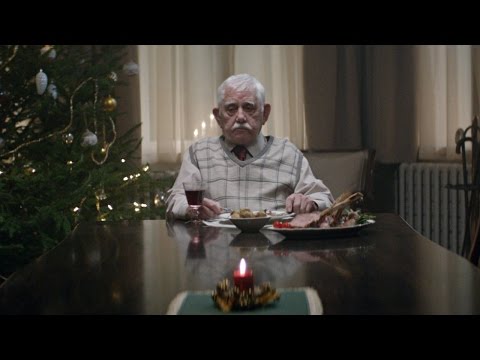
The execution follows a classic Setup-Turn-Payoff structure with devastating effect. The Setup (0:00-0:24) establishes the problem with heart-wrenching simplicity. An elderly grandfather receives apologetic phone calls from his children, year after year, explaining why they can't come home for Christmas. The somber piano and visuals of him eating alone create a palpable sense of loneliness and forgotten tradition. This is the quiet pain many families experience.
The Turn (0:25-1:12) is where the ad takes its audacious leap. The adult children, now visibly older and successful in different parts of the world, receive what is unmistakably a death notice. The music swells with sorrow as they drop everything, their faces a mask of grief and regret. Dressed in black, they converge on their childhood home for a funeral. This is the narrative's gut-punch, forcing the characters—and the audience—to confront the ultimate, irreversible consequence of their collective neglect.
The Payoff (1:12-1:45) delivers the emotional whiplash that made the ad famous. As the grieving family enters the home, they find not a somber wake, but a festive, fully prepared Christmas dinner. The grandfather emerges and delivers the pivotal line: "How else could I have gotten you all together?" Shock melts into tears of profound relief. The film's color palette warms, and the final scenes are a joyous explosion of hugs, laughter, and a shared meal. The super 'Zeit heimzukommen' (Time to come home) lands as both a conclusion and a command, before the EDEKA logo appears, positioning the brand not as a store, but as the silent facilitator of this priceless moment.
The key lesson from this campaign is the immense power of calculated creative risk. The 'fake death' plot point was highly controversial but is precisely what propelled the ad from a sentimental holiday spot into a global viral phenomenon. [1, 6] It proved that in the crowded Christmas advertising landscape, a brave, emotionally charged story can cut through the noise far more effectively than a safe one. The brand becomes the champion of the feeling of Christmas, a much more powerful position than simply being the seller of its ingredients.
Theme Keywords
Brand Position
EDEKA is the heart of the German home and the essential partner for the moments that truly matter.
Brand Archetype
Caregiver
Creative Game Plan
Force a national conversation about family priorities at Christmas by dramatizing the ultimate consequence of filial neglect.
Diagnosis: Issues & Solutions
Primary Issue: Strategic Sense
The Problem:
The brand connection is extremely delayed, appearing only in the final two seconds. For the majority of the runtime, there is nothing to suggest this is a commercial for a supermarket, which risks the brand being forgotten while the story is remembered.
The Solution:
To better link the brand to the narrative without disrupting the emotional flow, the grandfather could have been briefly shown shopping at an EDEKA store for the ingredients of his final, celebratory feast. This would have woven the brand into the story's resolution more organically.
Secondary Issue: Emotional Connection
The Problem:
The central premise, while attention-grabbing, is emotionally manipulative and could be perceived as cruel by some viewers. [6] Faking one's own death is an extreme act that risks alienating a segment of the audience who find the tactic distasteful rather than touching.
The Solution:
The core tension could have been maintained with a slightly less severe catalyst. For instance, the message from the father could have been an ambiguous or alarming health scare, creating the same urgency for the children to return without resorting to the full deception of a faked death, though this might have blunted its viral edge.
Additional Notes
Related Links
Credits
Share this Analysis
More EDEKA ad breakdowns
- EATKARUS – EDEKA Werbung #isssoEDEKA
- Esselunga | The PeachEsselunga
- Morrisons - Make Good Things HappenMorrisons
- Birthday Party Thrower | Bring Home More GoodWinn-Dixie
- Mog’s Christmas Calamity | Sainsbury’s Ad | Christmas 2015Sainsbury's
- Best FriendsPublix
- Intermarché - Le Mal-Aimé (The Unloved)Intermarché