Esselunga | The Carrot - Ad Analysis

AI Editor notes
Straight from the gut!!
“It's a well-crafted tearjerker, a solid follow-up to their viral 'Peach' ad. The formula is becoming clear: take a piece of produce, wrap it in a universal family story, and press the emotional buttons. It works, but it feels a bit... expected now. They're carving out a powerful niche, but they'll need to be careful this emotional well doesn't run dry or become a predictable gimmick.”
Quick Summary
This ad isn't about selling groceries; it's about selling a feeling. By transforming a simple carrot into a symbol of a father's enduring love, Esselunga elevates the mundane act of shopping into a profound expression of family care, aiming to own the emotional territory of 'food as love' in a commoditized market.
Executive Summary
Esselunga's 'The Carrot' is another confident step in its strategic campaign to redefine the meaning of a trip to the supermarket. Following its talked-about predecessor, 'The Peach,' this film continues to build on the core insight that groceries are not just commodities, but the fundamental ingredients of our most important life moments. The ad sidesteps the category's typical focus on price, freshness, or convenience, opting instead to build a powerful emotional moat around the brand. The story of a father struggling to accept his daughter's decision to move out is a universally resonant one, particularly for the brand's core target of Gen X and Millennial parents. The narrative is patient, allowing the tension and sadness to build through quiet, observational scenes before the emotional turn.
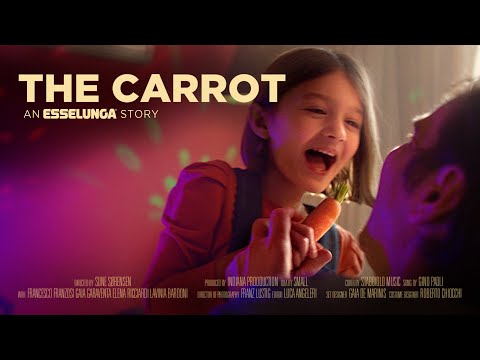
The execution uses a classic Setup-Turn-Payoff structure. The Setup establishes the emotional problem: a communication breakdown between a father and daughter at a pivotal life moment. The silence at the dinner table and the father’s pained expression are more powerful than any dialogue. The Turn is the father’s vulnerable, slightly absurd act of starting karaoke with a carrot. This gesture breaks the tension and serves as a narrative bridge, unlocking a montage of memories. The Payoff is the emotional catharsis. We realize the carrot is a long-standing symbol of their playful, loving relationship. The father isn't just singing a song; he's reminding his daughter of their entire history together, giving her his blessing to move on while reassuring her of his constant love. The final tagline, 'Non c’è una spesa che non sia importante' ('Your groceries are never just groceries'), lands with immense weight because the preceding two minutes have proven it. It transforms the brand from a simple retailer into a silent witness and facilitator of life's most poignant stories. The team should learn that consistency in brand storytelling pays off; by sticking to its emotional platform, Esselunga is building a brand world that feels authentic and deeply human, a rare feat in retail advertising.
Theme Keywords
Brand Position
The grocer that understands and enriches the emotional stories of your life.
Brand Archetype
The Caregiver
Creative Game Plan
Demonstrate that even a simple carrot from Esselunga can become an unforgettable symbol of a father's enduring love as his daughter starts her own life.
Diagnosis: Issues & Solutions
Primary Issue: Emotional Connection
The Problem:
The ad is emotionally powerful, but it follows the same narrative formula as its predecessor, 'The Peach,' so closely that it borders on predictable. This risks diminishing the impact of future spots if the audience feels they know the trick.
The Solution:
Vary the emotional texture. The next film in the series should explore a different facet of the core insight—perhaps humor, community, or friendship—to demonstrate the campaign's breadth and avoid becoming a one-note 'sad-vertising' platform.
Secondary Issue: Strategic Sense
The Problem:
The campaign is so focused on high-level emotional branding that it completely detaches from any tangible reason-to-believe related to the store itself (e.g., product quality, value, experience). This creates a powerful brand halo but leaves it undefined on a practical level.
The Solution:
Subtly weave in a product-as-hero moment. For example, a brief, beautiful shot of the father carefully selecting the *perfect* carrot could have reinforced the idea of Esselunga's quality without an explicit claim, linking the emotion back to the product.