1985-90: Godrej Storwel TV ads (Godrej Storewell Steel Almirah Wardrobe) - Ad Analysis

AI Editor notes
Straight from the gut!!
“This is a masterclass in emotional branding from a bygone era. It's so earnest and effective. The strategy is dead simple: own the lifecycle of the Indian middle class. Getting married? You need a Storwel. Having a baby? New Storwel. Kids fighting over space? Get another Storwel. It brilliantly sells a cold, metal box not on features, but as a vessel for memories and a symbol of creating one's own little world within a joint family. It’s pure, uncut nostalgia.”
Quick Summary
This campaign cemented the Godrej Storwel as an essential part of the Indian family fabric by transforming it from a mere steel cupboard into a silent, steadfast witness to life's most cherished milestones. By focusing on the emotional need for personal space and security at every life stage—marriage, childbirth, and growing up—Godrej made its product synonymous with home, tradition, and enduring family values.
Executive Summary
The Godrej Storwel campaign from the 1980s is a seminal piece of Indian advertising that demonstrates how to embed a utilitarian product into the cultural and emotional heart of a nation. This series of vignettes doesn't sell a steel almirah; it sells the promise of a new life, the security of family, and the quiet joy of personal space. In an era before modern built-in wardrobes, the freestanding steel cupboard was a significant household purchase, and Godrej masterfully positioned its Storwel as the only choice for a family starting its journey.
The Core Insight of the campaign is profoundly simple yet powerful: a home is defined by the memories and possessions we fill it with, and everyone desires a secure, private space for what they cherish most. [1] This insight was particularly resonant in the context of 1980s India, where many families lived in multi-generational or joint-family setups. The Storwel was positioned not just as storage, but as a personal sanctuary—a bride's first corner to call her own, a repository for a new baby's things, or a young boy's first taste of independence. [1]
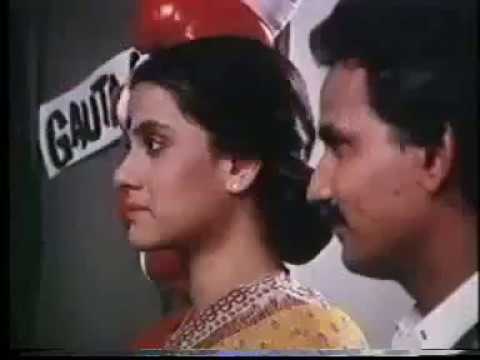
The Execution follows a classic Lifestyle/Aspirational model, using a narrative arc that mirrors the lifecycle of its target audience. The structure can be seen as a form of Hook–Value–Proof–Ask. The Hook for each ad is an emotionally charged life event: a wedding, a pregnancy, a child's birthday. The Value is then presented as the solution to a need created by that event—the need for space, organization, and security for new clothes, gifts, and memories. The Proof is the visual of the family happily using the Storwel, their lives made more orderly and joyous by its presence. The final Ask is implicit, driven by the unforgettable jingle that repeats the brand name, "Storwel, Godrej Storwel." This jingle, with its gentle melody and hopeful lyrics like "Hum kuch aur jagah banayein" ("Let's make some more space"), acts as the connective tissue, turning four separate ads into one cohesive, generational story.
The Debrief for any team studying this work is a lesson in the power of long-term brand building. Godrej chose to play the long game, focusing on emotional connection over rational features. While print ads of the time may have discussed security and durability, the television campaign was dedicated to owning the narrative of family life. [2, 3] It teaches us that when you can successfully associate your brand with a fundamental human truth—like the desire to build and protect a home—you are no longer just selling a product. You are selling a piece of the customer's own life story, creating a legacy that far outlasts any single feature or price point.
Theme Keywords
Brand Position
The trusted, permanent sanctuary for a family's cherished possessions and memories.
Brand Archetype
The Caregiver
Creative Game Plan
Establish the Godrej Storwel as an indispensable part of every Indian family's journey by linking it to life's most significant and emotional milestones.
Diagnosis: Issues & Solutions
Primary Issue: Strategic Sense
The Problem:
The campaign's strength—its tight focus on the traditional family lifecycle—is also its biggest limitation in a modern context. It exclusively portrays a heteronormative, two-parent family model, which risks alienating the diverse range of household structures and individual life paths prevalent today.
The Solution:
A modern reboot should expand the definition of 'milestones.' Celebrate a woman moving into her first apartment alone, a creative professional organizing their gear, or a group of friends setting up a shared flat. The core idea of 'making space for your life' remains, but the definition of 'life' needs to be broadened.
Secondary Issue: Emotional Connection
The Problem:
The emotional portrayal, while effective for its time, is highly idealized and one-dimensional. The characters are archetypes (the shy bride, the playful brother) rather than complex individuals, which can feel dated to a contemporary audience accustomed to more nuanced storytelling.
The Solution:
Introduce more authentic, slice-of-life moments. Instead of a perfectly serene bride, show the chaotic joy of two people combining their messy lives. Instead of a simple sibling squabble, show the emotional significance of the objects they're fighting over. Add layers and texture to the stories.
Additional Notes
Related Links
Credits
Share this Analysis
More Godrej Storwel ad breakdowns
- Proudly Made in India. This Independence Day, bring home furniture worth celebrating.Pepperfry
- Are you buying a table, or a tabla? #BeFurniSureFlipkart
- The Robot | Never Normal | BurrowBurrow
- Vitra: ChairVitra
- Möbel Kraft | Echt starke Möbel - Sumos Sofa | lawinenstiftMöbel Kraft
- Get House Proud: What Kids? | west elmWest Elm
- Not like any other chairIKEA
- Dream Home Fiesta | Godrej Interio | HindiGodrej Interio