Your Goodness Makes The Environment Beautiful - Ad Analysis

AI Editor notes
Straight from the gut!!
“Using kids to talk about heavy adult topics is a well-worn playbook. It's an effective, if predictable, way to pull heartstrings. The connection between the brand's 'goodness' ethos and environmental action feels a bit broad, but the stats at the end are a necessary anchor. Without those numbers, this would feel like pure emotional manipulation. It's a safe, competent piece of CSR that will resonate with its target of young parents.”
Quick Summary
Mamaearth uses the unfiltered, emotional perspective of children to frame environmental decay not as a distant scientific problem, but as an immediate and personal theft from the next generation. This positions the brand's corporate actions—planting trees and recycling plastic—as the tangible 'goodness' required to restore what's being lost, making a vote for the brand feel like a vote for a better future.
Executive Summary
This Mamaearth campaign for World Environment Day is a masterclass in using emotional leverage to land a corporate message. It operates on a simple, powerful insight: the most devastating way to understand environmental damage is to see it through the innocent eyes of a child. The ad sidesteps complex data and political debate, opting instead for the gut-punch of a child's disappointment. By framing the conversation this way, Mamaearth positions itself not just as a seller of personal care products, but as a guardian of the future that these children will inherit.
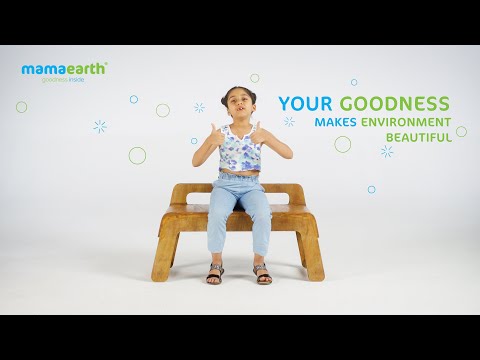
The creative execution follows a classic Setup-Turn-Payoff structure. The setup establishes the children's pure, idyllic understanding of nature—'trees,' 'flowers,' 'things not man-made.' This creates a baseline of innocence. The turn comes when the interviewer introduces the harsh realities of the adult world: plastic waste, pollution blocking out the stars, and the shocking before-and-after of the Yamuna River. This confrontation is the emotional core of the ad. The children’s unscripted sadness and confusion are far more powerful than any scripted line could be. Their simple declaration that plastic is 'bad' or their inability to see stars becomes a poignant indictment. The payoff arrives in two stages. First, the children propose simple, hopeful solutions like 'plant lots of trees,' which seamlessly pivots to the brand's message. Then, the kids themselves deliver the tagline, 'Your goodness makes the environment beautiful,' directly linking the solution to the brand's ethos. The final slates with hard numbers on trees planted and plastic recycled are crucial; they provide the rational proof needed to back up the emotional appeal, grounding the campaign in tangible action and shielding it from potential accusations of 'greenwashing.'
The key learning from this is the power of a proxy narrator. By letting children carry the message, Mamaearth deflects skepticism and creates an immediate emotional connection with its target audience of Millennial parents. The campaign reinforces the idea that choosing Mamaearth is not merely a consumer decision, but a small act of 'goodness' that contributes to a larger solution. It’s a smart, effective strategy that builds brand love and moral authority in a crowded market.
Theme Keywords
Brand Position
The personal care brand that delivers 'goodness' in all its forms—from safe, toxin-free products for your family to positive actions for the planet.
Brand Archetype
The Caregiver
Creative Game Plan
Make the abstract threat of environmental damage feel personal and urgent by showing it through the unfiltered perspective of children.
Diagnosis: Issues & Solutions
Primary Issue: Clarity of 'What's Next?'
The Problem:
The ad effectively creates an emotional response but leaves the viewer passive. The primary call to action is simply to buy Mamaearth products at some point in the future. It misses the opportunity to convert the viewer's heightened emotion into immediate, tangible engagement with the brand's cause.
The Solution:
Incorporate a direct and interactive call to action. For example, add a QR code or a simple URL to the end slate that leads to a landing page where viewers can learn more about the #PlantGoodness initiative, see a live counter of trees planted, or even dedicate a tree with their next purchase. This would make the consumer an active participant, not just a passive buyer.
Secondary Issue: Strategic Sense
The Problem:
The connection between the brand's products (personal care) and its environmental initiatives (planting trees, recycling plastic) is based on a broad concept of 'goodness' but lacks a direct, concrete link. This leaves a small gap where a cynical viewer might see a disconnect between what the company sells and the cause it's promoting.
The Solution:
Strengthen the narrative bridge between the product and the purpose. A single line could achieve this, such as: 'The same goodness from nature that goes into our bottles, we promise to put back into the world.' This more directly links the natural ingredients in their products to their environmental actions.
Additional Notes
Related Links
Credits
Share this Analysis
More Mamaearth ad breakdowns
- Mamaearth Rice Dewy Bright Face Wash | 20X Hydration For Glass Skin GlowMamaearth
- New Year, New Resolutions 🌱 Mamaearth x Zepto | Goodness Delivered in 10 minsMamaearth
- Mamaearth Ubtan Natural Glow Face Wash | Tan Hataye, Glow LautayeMamaearth
- Mamaearth Baby Milky Soft Head to Toe Wash, Safe & Gentle 2 in 1 Cleansing for BabiesMamaearth
- Mosquito Repellent Patches | Up to 12 hrs protection | Free from toxins & harmful chemicalsMamaearth
- Does Your Hair Affect Your Career? Exploring Hair Bias | DoveDove
- Reverse Selfie: Social Media's Impact on Girls' Self-Esteem | DoveDove
- Dove - Real Beauty: How a Soap Brand Created a Global Self-Esteem Movement (case study)Dove