Reverse Selfie: Social Media's Impact on Girls' Self-Esteem | Dove - Ad Analysis

AI Editor notes
Straight from the gut!!
“It's a punch to the gut. The reverse timeline is a brilliant creative device that builds dread and empathy. You start with a familiar, almost numb image of social media perfection and end with the raw vulnerability of a child. It's impossible to look away and impossible not to feel something. This is brand-building at its most potent and culturally relevant.”
Quick Summary
This ad isn't selling soap; it's selling a point of view. By dramatizing the hidden, heartbreaking process of a young girl creating a 'perfect' selfie, Dove powerfully reinforces its long-standing 'Campaign for Real Beauty' for a new generation. The 'Reverse Selfie' concept is a simple, devastatingly effective device that exposes the emotional cost of social media's distorted beauty standards, making the brand synonymous with the solution rather than the problem.
Executive Summary
Dove's 'Reverse Selfie' isn't just an ad; it's a cultural intervention and a masterstroke of brand strategy. It serves as a direct sequel to their landmark 2006 'Evolution' film, updating the conversation from the professional manipulation of models in magazines to the self-inflicted distortion happening in teenage bedrooms. [1, 9] The enemy is no longer just the industry; it's the technology in our own hands. By tackling this issue head-on, Dove reinforces its two-decade-long ownership of the 'Real Beauty' platform, proving its continued relevance in the age of social media.
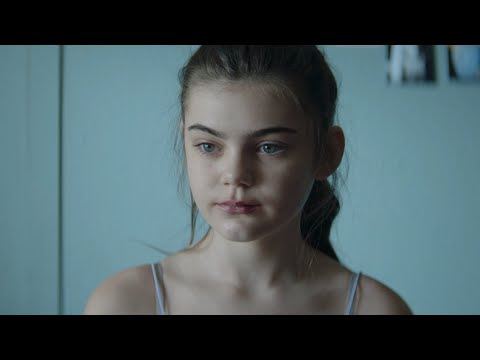
The genius of the piece lies in its core creative device: the reverse timeline. We start at the end—a polished, 'perfect' selfie posted online. It's an image we're all desensitized to. But by rewinding the process, Ogilvy turns a familiar act into a slow, heartbreaking reveal. The removal of digital enhancements via a fictional-but-realistic 'Photofix' app is chillingly familiar. [3] Each reversed slider—for skin texture, eye size, lip fullness—acts as a step backward not just in the editing process, but in the girl's age and confidence. The deconstruction continues with the removal of makeup and hairspray, until we're left with the film's payoff: a young, sad, vulnerable girl. The contrast between the confident digital avatar and the real child is jarring and deeply emotional. The film doesn't preach; it simply shows the viewer the hidden, painful truth behind a single, seemingly innocuous post.
This ad is a prime example of the Fame-Feeling-Fluency model. It achieves Fame by tackling a highly relevant and debated cultural issue, generating conversations far beyond paid media placements. The Feeling is potent and unambiguous—empathy for the young girl and concern over the societal pressures she faces. Finally, it builds brand Fluency by perfectly aligning with Dove's established brand assets and purpose. The simple, clean aesthetic, the focus on a single, emotional story, and the ultimate message of building self-esteem are all quintessentially Dove. The team understood that to reclaim their distinctive positioning, they needed to do more than just state their purpose; they needed to dramatize the problem their purpose exists to solve. This ad does that with devastating effectiveness, ensuring Dove isn't just a participant in the conversation about beauty standards, but the leader of it.
Theme Keywords
Brand Position
Dove is the champion of 'Real Beauty' that empowers women and girls to develop a positive relationship with their appearance.
Brand Archetype
The Caregiver
Creative Game Plan
Expose the heartbreaking, hidden process of selfie-editing to re-ignite the conversation around 'real beauty' for the social media generation.
Diagnosis: Issues & Solutions
Primary Issue: Clarity of "What's Next?"
The Problem:
The call to action, while clear ('Have the selfie talk'), feels somewhat small compared to the scale of the problem the ad so brilliantly illustrates. The link to a 'Confidence Kit' risks being perceived as a slightly corporate, pre-packaged solution to a deeply nuanced and personal issue.
The Solution:
Elevate the call to action from a downloadable PDF to a larger, more tangible movement. Instead of just '#TheSelfieTalk,' create a platform for parents and teens to share their own stories and advice, fostering a community-led solution that feels more authentic and less top-down.
Secondary Issue: Emotional Connection
The Problem:
The ad's power is so focused on the negative emotional impact that it leaves the viewer feeling a sense of despair without a corresponding sense of hope. The final shot of the sad young girl is powerful, but it doesn't offer a vision of what a positive outcome looks like.
The Solution:
After the reveal, add a final, brief shot of the same girl smiling, perhaps in a natural, unposed photo with a friend or parent. This would complete the emotional arc, showing the 'after' state that Dove's project aims to create, turning the message from just 'here's the problem' to 'here's the problem, and here's the beautiful alternative we're fighting for.'
Additional Notes
Related Links
Credits
Share this Analysis
More Dove ad breakdowns
- Hard Knocks: A Dove Big Game Film | #KeepHerConfidentDove
- Does Your Hair Affect Your Career? Exploring Hair Bias | DoveDove
- Dove - Real Beauty: How a Soap Brand Created a Global Self-Esteem Movement (case study)Dove
- The Code | A Dove Film | Dove Self-Esteem ProjectDove
- Dove + Cartoon Network | “I’m Fine”Dove
- Take the pledge to #StopTheBeautyTest | DoveDove
- The Game Is OursDove
- When was the last time you fought?Dove