Take the pledge to #StopTheBeautyTest | Dove - Ad Analysis

AI Editor notes
Straight from the gut!!
“This is the Dove playbook executed flawlessly. It's potent, culturally sharp, and emotionally resonant. You feel the sting of every comment. But after two decades of 'Real Beauty,' is it still surprising? It feels more like a reinforcement of their territory than a bold new step. It works, absolutely, but it also feels a bit... expected.”
Quick Summary
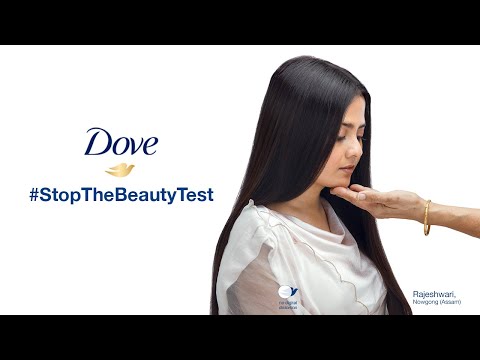
Dove powerfully localizes its global 'Real Beauty' mission by exposing the painful, culturally specific 'beauty test' that Indian women face in the arranged marriage process. The ad uses authentic, emotional vignettes to hold a mirror up to society, reinforcing Dove's position as a champion for a more inclusive definition of beauty and generating significant cultural conversation.
Executive Summary
Dove's '#StopTheBeautyTest' is a powerful extension of its long-running 'Campaign for Real Beauty,' surgically adapted for the Indian market. It demonstrates a deep understanding that to make a universal message resonate, you must ground it in a specific, emotionally charged cultural context. Here, that context is the 'rishta' or arranged marriage meeting, a moment of immense pressure where a woman's entire worth can be reduced to a checklist of physical attributes.
The core insight is devastatingly simple: For millions of women, the search for a life partner isn't a joyous occasion but a humiliating 'beauty test'. [3, 7] The ad exposes this hidden-in-plain-sight reality, turning the camera not on the products, but on the quiet pain caused by casual, cruel judgments about weight, skin tone, height, and even birthmarks.
The execution follows a classic, effective structure: Setup-Turn-Payoff, repeated across several vignettes. The Setup is the hopeful preparation for the meeting. The Turn is the moment the verbal cut is delivered—a whispered comment, a backhanded compliment, a cruel joke. The emotional impact is conveyed through tight close-ups on the women's faces, capturing their flicker of hurt and shock. The Payoff is the ad's central question: 'How long will this ugly test of beauty continue?' This culminates in the final protagonist's quiet act of defiance, choosing not to hide herself, which serves as the film's emotional resolve. The choice to use real women who have lived these experiences, rather than actors, lends the film an unshakable authenticity. [2]
The debrief for any brand team watching this is clear: cultural specificity is a superpower. Dove didn't just talk about 'body positivity'; it identified a precise moment—the marriage meeting—where that value is most brutally tested in this culture. By doing so, it moves beyond generic purpose-driven advertising into something that feels true and urgent. It reinforces the idea that the most effective brand-building isn't about shouting your values, but about showing you understand the world your customer lives in. While the call to action might be soft, the emotional and brand impact is anything but.
Theme Keywords
Brand Position
Dove is the brand that champions real, authentic beauty and fights against the narrow, toxic standards that damage women's self-esteem.
Brand Archetype
The Caregiver
Creative Game Plan
Expose the painful, unspoken truth of 'beauty tests' within the Indian arranged marriage system to reaffirm Dove's role as the champion of real beauty.
Diagnosis: Issues & Solutions
Primary Issue: Strategic Sense
The Problem:
While the ad powerfully highlights a problem, it risks positioning Dove as a perpetual commentator rather than an active problem-solver. After two decades of identifying the issue, the audience may begin to ask what tangible actions the brand is taking beyond awareness campaigns.
The Solution:
Integrate the campaign with a more concrete, actionable program. Instead of just a pledge, partner with educational institutions or NGOs to create confidence-building workshops specifically for young women facing these pressures, turning brand purpose into direct community impact.
Secondary Issue: Clarity of "What's Next?"
The Problem:
The '#StopTheBeautyTest' hashtag and pledge are effective for social media but lack a clear, tangible directive for the average viewer. It leaves them feeling the emotion but without a channel for that energy.
The Solution:
Sharpen the call-to-action by making it more direct and peer-to-peer. For example: 'Share this with the women in your family' or 'Start a conversation with your parents.' This turns a passive viewer into an active participant in spreading the message within the circles where it matters most.
Additional Notes
Related Links
Credits
Share this Analysis
More Dove ad breakdowns
- Hard Knocks: A Dove Big Game Film | #KeepHerConfidentDove
- Does Your Hair Affect Your Career? Exploring Hair Bias | DoveDove
- Reverse Selfie: Social Media's Impact on Girls' Self-Esteem | DoveDove
- Dove - Real Beauty: How a Soap Brand Created a Global Self-Esteem Movement (case study)Dove
- The Code | A Dove Film | Dove Self-Esteem ProjectDove
- Dove + Cartoon Network | “I’m Fine”Dove
- The Game Is OursDove
- When was the last time you fought?Dove