Your Challenges Will Change You - Ad Analysis

AI Editor notes
Straight from the gut!!
“This is a tough watch. Three minutes of a man in a painful, repetitive struggle is almost uncomfortable. It's a bold and deliberate move away from the cheerful, high-fiving fitness category conventions. It makes you feel something powerful, for sure, but I have to question if the emotional weight of the story makes the brand connection feel a bit forced at the end. It's memorable, but does it make you want a Fitbit?”
Quick Summary
This ad isn't about steps or calories; it's about the will to move. By showing the raw, unglamorous struggle of one man's monumental effort to simply get into his wheelchair, Fitbit elevates its brand from a simple fitness tracker to a silent witness of human determination. It repositions the product as a companion for the 'why' behind any health journey, not just a tool for counting the 'what'.
Executive Summary
Fitbit's 'Your Challenges Will Change You' is a masterclass in strategic patience and brand storytelling. At a time when the wearable tech category was becoming a race of features and ecosystems, Fitbit, with agency Grey, chose to pivot the conversation from what the device does to why it matters. The ad is a deliberate move away from the generic, upbeat imagery of jogging on a sunny day, opting instead for a gritty, almost uncomfortably authentic portrayal of human struggle. This isn't just advertising; it's a documentary film with a brand at the end.
The core insight is powerful: the most meaningful moments in a fitness journey aren't the victories, but the brutal, unglamorous efforts that no one else sees. The real measure of strength is not the marathon finish, but the will to simply get out of bed—or, in this case, to move from a box to a wheelchair. By focusing on Sandile Mkhize's painstaking, real-time struggle, Fitbit aligns itself with this profound human truth.
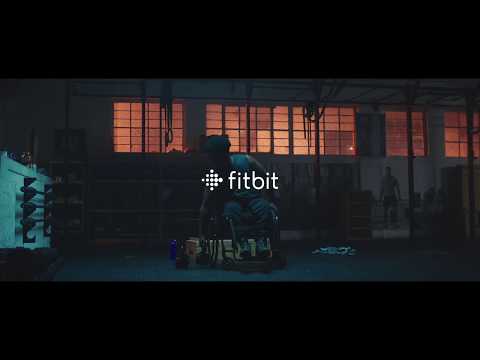
The execution follows a simple, raw narrative structure: Setup, Struggle, and Payoff. The setup is quick and factual, delivered via on-screen text: a man paralyzed in an accident. The next two minutes are dedicated to the struggle, an extended sequence that forces the audience to bear witness to every grunt, every slip, and every moment of frustration. This is where the ad's courage lies; it risks viewer discomfort to achieve true authenticity. The final payoff is twofold: Sandile's personal victory of getting into his chair, and the brand's message. The reveal that 'This was the first time he made it into his chair by himself' lands with immense emotional weight. The product's appearance on his wrist feels less like a product placement and more like a silent partner in his triumph, culminating in the tagline 'Find Your Reason.'
The debrief for any brand team watching this is clear: authenticity can be your sharpest competitive edge. In a cluttered market, telling a true, emotionally resonant story can redefine your brand's value proposition. This work successfully elevated Fitbit from a gadget company to a brand that understands the deepest motivations for health and wellness. It’s a testament to the idea that sometimes, the most effective way to connect with people is to show them a struggle they can relate to, even if they've never experienced it themselves.
Theme Keywords
Brand Position
Fitbit is the companion that honors your personal struggle and celebrates every small victory on your journey to a healthier life.
Brand Archetype
The Everyman
Creative Game Plan
Connect Fitbit to the universal human drive for self-improvement by showing the most authentic, unglamorous, and powerful struggle imaginable.
Diagnosis: Issues & Solutions
Primary Issue: Strategic Sense
The Problem:
The link between the profound human drama and the Fitbit device feels slightly underdeveloped. After watching an intense, three-minute story of human will, the appearance of a tech product risks feeling like an afterthought or, worse, opportunistic. The ad establishes the 'why' (the reason) but doesn't quite connect how the 'what' (the Fitbit) enables it.
The Solution:
Integrate the product's role more meaningfully into the narrative. A single line in the voiceover like, 'I started tracking my heart rate... not to count beats, but to see proof of my effort, to see that even on the days I failed, I was getting stronger,' would have forged a stronger, more authentic bridge between the human story and the brand's utility.
Secondary Issue: Clarity of "What's Next?"
The Problem:
The campaign tagline, 'Find Your Reason,' is inspiring but ultimately a dead end for the viewer. It creates a powerful emotional moment but offers no path for engagement, leaving the built-up goodwill on the table.
The Solution:
A simple, actionable next step should have been included on the final card. Something like 'See more stories at Fitbit.com/reason' would have channeled the viewer's inspiration into direct brand interaction, deepening the connection and extending the campaign's impact beyond a single viewing.