Windsor's Potato Chips - Begging for a Boot Episode - Ad Analysis

AI Editor notes
Straight from the gut!!
“What on earth did I just watch? It’s like a Terry Gilliam animation from a fever dream. The humor is so absurdly specific it’s alienating, yet I can’t forget it. Does it make me want Camembert & Quince chips? Honestly, no. But it makes me intensely curious about the brand. It's a brave, maybe foolish, choice to be this weird right out of the gate.”
Quick Summary
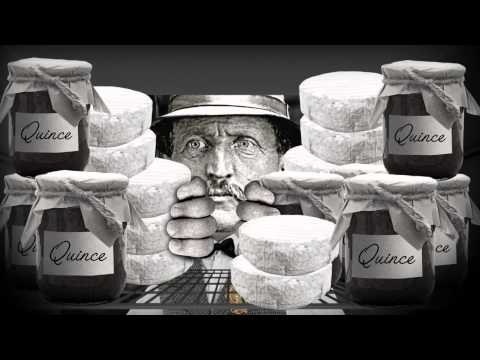
To launch a new gourmet chip, Windsor's completely sidestepped conventional food advertising. Instead of showing the product, they used bizarre, Monty Python-style animated characters to build a quirky and unforgettable brand personality, betting that extreme distinctiveness would be more valuable than appetite appeal in a crowded market.
Executive Summary
In a snack food aisle crowded with brands shouting about crunch, flavor, and wholesome ingredients, the launch campaign for Windsor's Potato Chips chose to whisper a bizarre inside joke instead. The 'Beggin' for a Boot' spot is a deliberate rejection of every category convention. It’s a 30-second piece of absurdist theater that prioritizes building a strange, unforgettable personality over creating simple appetite appeal. The core insight here is that the target consumer for a 'Camembert and Quince' flavored chip isn't swayed by mass-market cues; they are looking for cultural signifiers that reflect their own sense of being clever, different, and in on the joke.
The execution follows a classic narrative structure, but filtered through a surrealist lens. It grabs Attention with its jarring, black-and-white, Monty Python-esque animation style and oddball dialogue about French culture. [1] Interest is built through the nonsensical micro-drama: a detective, an admiral, and an aviator squabbling over a missing boot. [1] The viewer is leaned in, trying to solve the puzzle of what is even being advertised. Desire is meant to be sparked at the moment of the trade. The chips—presented in full, vibrant color—are positioned as an object of such value that they are worth trading a prized possession for. The desire isn't for the taste of the chip, which is never described beyond a tagline, but for inclusion in the quirky, sophisticated world the Windsor's occupy. The Action is the final product reveal, which finally grounds the absurdity and provides the brand name and flavor, leaving the viewer with the tagline 'Remarkably Tasty Chips'—a necessary, if slightly tacked-on, reassurance.
The debrief for the team behind this ad should be a mix of applause for its sheer creative bravery and a word of caution. They've succeeded in creating something truly distinctive that will be remembered and talked about by its intended niche audience. [2, 3] However, the strategy is a high-wire act. It hinges entirely on the audience finding the brand of humor appealing. For those who don't, the ad is just confusing noise. The long-term challenge will be to either maintain this level of creative absurdity or find a way to gracefully connect this powerful but strange brand world to a more tangible product benefit.
Theme Keywords
Brand Position
The potato chip for discerning snackers with a delightfully strange sense of humor.
Brand Archetype
Jester
Creative Game Plan
Use advertising that is as remarkably different as the chips themselves to build a brand famous for its personality.
Diagnosis: Issues & Solutions
Primary Issue: Emotional Connection
The Problem:
The ad's humor is entirely intellectual and surreal, creating a barrier to any genuine emotional buy-in. The audience observes the characters' weirdness from a distance rather than feeling any warmth or connection to the brand itself.
The Solution:
In future episodes, introduce a micro-moment of relatable humanity. Allow one character a genuine, charming reaction—a flicker of real delight or satisfaction—to break through the wall of absurdity and give the audience an emotional anchor.
Secondary Issue: Strategic Sense
The Problem:
The link between the creative concept (bizarre family squabbles) and the product benefit ('remarkably tasty') is tenuous. The tagline does all the work of communicating taste, but the ad provides no evidence to support it, relying solely on the viewer's inference.
The Solution:
Weave the idea of 'taste' into the narrative more directly. For example, a character could describe the flavor with the same level of absurd poetry they use for everything else, making the taste itself part of the joke and strengthening the product link.