When you've done enough, Uber Eats | Uber Eats - Ad Analysis

AI Editor notes
Straight from the gut!!
“Finally, a food delivery ad that isn't just people smiling on a couch. Casting Javier Bardem as a villain having an existential crisis is a smart, funny move. It feels like a movie trailer. The whole 'I'm tired of world domination' angle is a perfect metaphor for modern burnout. It's long, but it actually earns the runtime with a proper story and a solid punchline. This is how you do a celebrity endorsement.”
Quick Summary
This ad effectively repositions Uber Eats from a simple convenience to an emotional reward by using the hilarious, cinematic trope of a burnt-out supervillain to personify the universal feeling of 'doing enough,' making the brand synonymous with a well-deserved break.
Executive Summary
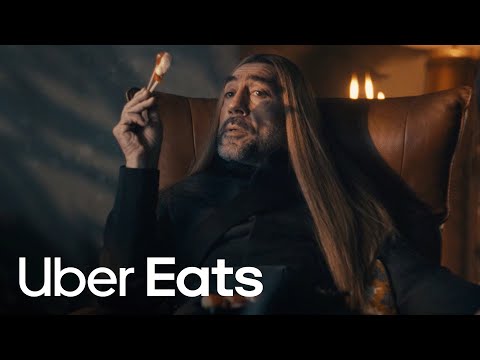
Uber Eats' 'When you've done enough' campaign is a smart strategic pivot for a market leader. In a category saturated with functional claims about speed, selection, and value, this ad moves the conversation squarely into emotional territory. The campaign is built on a simple, powerful human truth: everyone, no matter how ambitious or powerful, gets tired and deserves a break. The execution brilliantly brings this to life by asking, 'Who is the most ambitious, powerful person we can think of?' The answer: a cinematic supervillain.
The creative execution follows a classic Setup-Turn-Payoff structure. The setup establishes the world with impeccable detail—a brutalist mountain lair, a team of devoted henchmen, and a plan for world domination. The production value is intentionally high, mimicking a blockbuster film. The turn comes when the villain, played with comedic exhaustion by Javier Bardem, doesn't react with maniacal glee but with a sigh of existential fatigue. 'Why do we do this?' he asks, transforming an epic evil planning session into a mundane, relatable moment of burnout. This juxtaposition of the grandiose and the everyday is the engine of the ad's humor. His henchmen's attempts to solve his malaise with more evil plans or clumsy psychoanalysis only heighten the comedy. The payoff is simple and effective. The villain's solution isn't a new laser or a bigger ransom demand; it's ordering sushi on Uber Eats and relaxing with his dog. The tagline 'When you've done enough' lands with perfect clarity, summarizing the entire narrative. The final shot of him enjoying his meal while watching 'Happy Days' is the final, perfect comedic touch, contrasting his dark persona with ultimate comfort.
The debrief for the marketing team is clear: emotional storytelling, when rooted in a universal insight, can elevate a brand above a functionally-driven market. Using a celebrity in a role that both leverages and subverts their public persona creates a powerful and memorable asset. While a three-minute runtime is a risk in a fragmented media landscape, creating a 'hero' piece of content that feels like entertainment rather than an ad can generate significant earned media and cultural conversation, making the investment worthwhile.
Theme Keywords
Brand Position
Uber Eats is the effortless way to claim your well-deserved break.
Brand Archetype
The Jester (using humor to connect) with a touch of the Caregiver (providing comfort and relief).
Creative Game Plan
Dramatize the universal feeling of burnout in the most extreme and unexpected way possible to position Uber Eats as the ultimate reward.
Diagnosis: Issues & Solutions
Primary Issue: Strategic Sense
The Problem:
The ad's 3-minute runtime is its greatest strength and biggest weakness. While it allows for excellent storytelling, its utility is limited to platforms that support long-form video, potentially reducing its reach and frequency compared to a campaign built on shorter, more traditional ad lengths.
The Solution:
Develop a modular content strategy. Create 6, 15, and 30-second cutdowns from the hero film, each focusing on a single beat (e.g., the initial 'You okay?' moment, the 'I'm tired' line, or the final sushi reveal) to run across a broader mix of media placements and maximize campaign reach.
Secondary Issue: Clarity of "What's Next?"
The Problem:
The campaign is purely brand-focused, with no mechanism to bridge the gap between brand love and immediate action. It relies entirely on the viewer remembering Uber Eats the next time they're hungry and tired.
The Solution:
Introduce a subtle performance layer in digital executions. For example, an interactive end-card on YouTube that says 'Order your break' or a platform-specific offer ('Get free delivery on your 'I'm done' meal') could capture intent without undermining the creative's premium feel.
Additional Notes
Related Links
Credits
Share this Analysis
More Uber Eats ad breakdowns
- Uber Eats Super Bowl Commercial (2025) Featuring Matthew McConaugheyUber Eats
- Helen’s Golden Voice | Uber EatsUber Eats
- Don't Let Halloween Sneak Up On You | Uber EatsUber Eats
- Wine | Uber EatsUber Eats
- ゆったり楽しみたいなら、Uber Eats で、いーんじゃない? リス篇 | Uber EatsUber Eats
- Uber Eats presents Money Can Buy You Class | Uber EatsUber Eats
- Period Romance - Get Almost Almost Anything | Uber EatsUber Eats
- Witches, Sandwiches - Get Almost Almost Anything | Uber EatsUber Eats