Vodafone Ireland New TV Ad 2013 | Even Better Network Coverage | Song by Dionne Warwick - Ad Analysis

AI Editor notes
Straight from the gut!!
“This is a solid, classic piece of advertising. It's built on a simple human truth and tells its story with charm. The bait-and-switch is well-executed. You think it's about the girl getting the call, but the real payoff is about the network's reliability. It’s a bit old-fashioned in its setup, but the core idea is timeless and the execution is clean. It works.”
Quick Summary
This ad succeeds by flipping a common customer frustration—a missed connection—into a proof point for network reliability. It uses a relatable, humorous story to land a single, memorable message: if a call doesn't come through, blame human error, not Vodafone's coverage. It's a clever way to build brand trust without resorting to technical jargon or unbelievable promises.
Executive Summary
Vodafone Ireland's 2013 'The Wait' is a lesson in strategic misdirection and the power of a simple, relatable insight. At a time when telecom advertising was often a race to the bottom on price or a chest-thump about megabits and gigabytes, this spot chose to connect on a purely human level. The campaign was part of Vodafone's global 'A Good Thing' platform, which aimed to celebrate the positive role technology plays in everyday life. [4] This ad brilliantly reframes a potential network failure—the dreaded dropped or unreceived call—into a testament to its own reliability.
The Core Insight here is that in an increasingly connected world, we immediately blame technology when something goes wrong. When that important call doesn't come, our first thought is 'bad reception' or 'my phone died.' The ad taps into this default assumption and turns it on its head, suggesting a world where the network is so dependable that the fault must lie elsewhere—in the charming, chaotic, and unpredictable realm of human behavior.
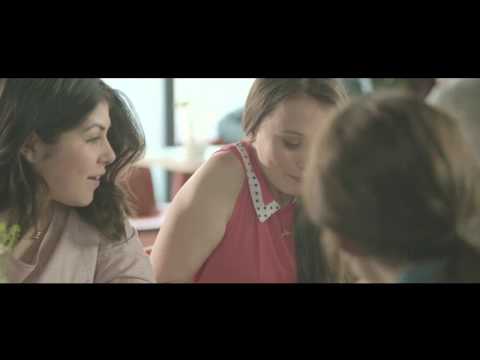
The execution follows a classic Setup-Turn-Payoff structure. The Setup (0:00-0:26) establishes a universally understood scenario: a young woman anxiously waiting for a boy to call. The use of Dionne Warwick's 'Wishin' and Hopin'' is a masterstroke, perfectly encapsulating the feeling of hopeful anticipation. The scene is filled with details that build the tension: the supportive friends, the phone showing full bars, the false alarm from her mother's call. The Turn (0:27-0:34) abruptly shifts perspective to the boy. We see his intention is good; he has her number and is about to call. This shift is crucial because it validates the girl's hope and absolves the network before we even know the network is the subject. The Payoff (0:34-0:42) is the punchline. He fumbles, the number is lost to the canal, and the voiceover delivers the core message with a confident, witty finality: 'If you don't get that call... it's probably not our network.' The problem isn't technical; it's tragically, comically human.
The Debrief for the team is that you don't need to shout about technical superiority to prove it. By creating an emotional, narrative-driven ad, Vodafone built a far more powerful and memorable case for network coverage than any map or data chart could. It demonstrated confidence. A lesser brand would feel the need to show the call connecting. Vodafone showed the opposite and, in doing so, made a stronger point. This approach builds brand affinity and trust, which are far more durable assets than a claim of being 'the fastest' this month.
Theme Keywords
Brand Position
The effortlessly reliable network that powers your life's important (and not-so-important) connections.
Brand Archetype
The Sage/Ruler: It operates with a quiet, assured confidence, positioning itself as the wise, dependable foundation upon which life's dramas play out.
Creative Game Plan
Dramatize the ultimate network reliability by showing that the only reason for a missed connection is human folly, not technical failure.
Diagnosis: Issues & Solutions
Primary Issue: Strategic Sense
The Problem:
The ad's greatest strength is also a potential, minor weakness: its subtlety. The message is clever, but it relies entirely on the viewer paying attention until the final five seconds. In a highly distracted viewing environment, there's a risk the brand message gets lost if a viewer tunes out after the initial, familiar setup.
The Solution:
To mitigate this, earlier branding could be integrated, perhaps with the Vodafone logo subtly visible on the protagonist's phone screen early on. This would connect the brand to the story's tension from the start, without giving away the punchline.
Secondary Issue: Emotional Connection
The Problem:
The story creates a relatable scenario of anticipation and disappointment, but the humor of the ending keeps the emotional depth at a surface level. It's charming but not deeply moving, which is a deliberate choice but also a missed opportunity for a stronger emotional imprint.
The Solution:
A slightly longer format could have allowed for a brief final shot of the boy looking genuinely heartbroken, rather than just frustrated, deepening the emotional weight and making the 'missed connection' feel more poignant and thus more memorable.
Additional Notes
Credits
Share this Analysis
More Vodafone Ireland ad breakdowns
- Vodafone Ireland - Fitting Room - Grey LondonVodafone Ireland
- Everyone In | #TeamOfUs Online FilmVodafone Ireland
- Dear Santa...Christmas 2015 | Vodafone IrelandVodafone Ireland
- Telstra | Wagga Wagga is better on a better mobile networkTelstra
- TV Ad | Prepare yourself for #holidayspam ; Australia | ThreeThree
- Faraway PlacesXfinity
- TVC 15 - Twerk - Amaysimamaysim
- Tesco Mobile 'Bedroom' TV | ChemistryTesco Mobile