森の木琴 - Ad Analysis

AI Editor notes
Straight from the gut!!
“This is the kind of work that makes you jealous. It's so simple, so pure. No talking heads, no spec sheets. Just a beautiful, insane idea executed with painstaking authenticity. It feels less like an ad and more like a piece of art a friend would send you. My only question is whether this much beauty actually sells a phone or just wins awards. It's a risk, but a magnificent one.”
Quick Summary
This ad masterfully sells an idea, not just a product. By transforming a forest into a giant, natural instrument, it embeds the phone's core proposition—a device made from sustainable wood—into the viewer's memory through pure, unadulterated wonder, creating a value proposition that transcends technical specifications. [12]
Executive Summary
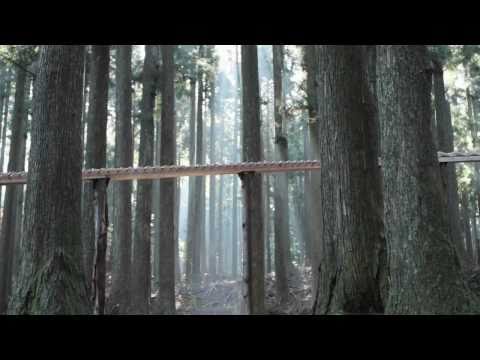
NTT Docomo's 'Xylophone in the Forest' is a masterclass in turning a product attribute into a profound emotional experience. At a time when mobile phone advertising was a sea of feature-shouting and lifestyle montages, this film chose a path of quiet, meticulous artistry. It's an execution that doesn't just present an idea; it proves it. The decision to build a real, functioning, 44-meter-long xylophone in a forest is the core of its genius. This commitment to authenticity provides a powerful antidote to the skepticism of an audience accustomed to CGI and digital trickery.
The film's structure follows a simple but powerful narrative arc: Setup, Payoff, and Reveal. The setup (0:00-0:32) is crucial, establishing a mood of tranquility and mystery. We see people working in a sun-dappled forest, hinting at a creation of significant scale without giving away the secret. This builds anticipation and grounds the film in real, human craftsmanship. The payoff (0:32-2:38) is the long, uninterrupted journey of the wooden ball. This isn't a quick gag; it's a meditative experience. The choice of Bach's 'Jesu, Joy of Man's Desiring' is perfect—it is universally recognized, calming, and harmonious, mirroring the brand's intended personality. The camera follows the ball for nearly two minutes, forcing the viewer to slow down and become absorbed in the simple, beautiful physics of the moment. Finally, the brand reveal (2:38-3:05) connects this entire spectacle back to the product. The phone isn't just an object; it's the logical conclusion of this ode to wood and nature. The closing text cards then provide the rational, social-responsibility layer to the emotional experience, explaining the use of thinned wood from sustainable forestry. [1, 12]
The key lesson from this campaign is the immense power of a single, brilliant, and authentic idea. By focusing on the 'why' (a connection to nature) instead of the 'what' (phone features), Docomo elevated a simple mobile device into a piece of art. The team learned that if your core insight is strong enough—in this case, 'wood is good'—you don't need to embellish it. [12, 14] The most effective strategy was to demonstrate that truth in the most literal and magical way possible, creating a piece of content that people didn't just watch, but shared and cherished.
Theme Keywords
Brand Position
The telecommunications brand that harmonizes technology with nature and human touch.
Brand Archetype
Creator / Sage
Creative Game Plan
Demonstrate the natural, harmonious soul of our wooden phone by making the forest itself play a beautiful, universally loved piece of music.
Diagnosis: Issues & Solutions
Primary Issue: Strategic Sense
The Problem:
The primary risk is that the work is so beautiful and artistic that it's perceived as a standalone art project, with the brand and product becoming secondary to the spectacle. The awe for the execution could overshadow the commercial intent.
The Solution:
The campaign would be strengthened by a tightly integrated digital ecosystem that immediately captures the viewer's interest. For example, an end-card annotation on YouTube that says "See how it was built" or "Discover the Touch Wood story" could seamlessly transition the viewer from inspiration to consideration, ensuring the brand captures the value of the attention it has earned.
Secondary Issue: Clarity of "What's Next?"
The Problem:
The ad does very little to direct an engaged viewer. The description box contains a link, but the film itself leaves the audience in a state of wonder with no clear path forward, potentially losing commercial momentum.
The Solution:
A subtle, elegant, and on-brand call to action at the very end could have provided a clear next step without disrupting the mood. A simple, text-based prompt like "Learn more at docomo.touchwood.jp" appearing alongside the logo would have been effective.