Valentino L'École | Jolin Tsai - Ad Analysis

AI Editor notes
Straight from the gut!!
“It’s beautiful, expensive, and a little cold. This feels very 'fashion'—more like a cinematic magazine editorial than a piece of film meant to connect. Jolin Tsai looks fantastic and the Manhattan setting is a classic luxury cue, but the whole thing is a vibe in search of a story. What am I supposed to feel besides 'that looks exclusive'? The goldfish shot feels like a random attempt to be arty.”
Quick Summary
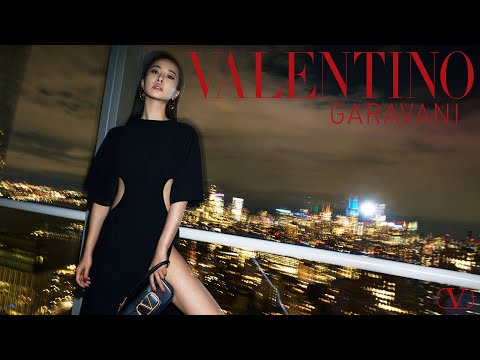
This isn't an ad; it's a moving portrait designed to project a specific feeling onto the brand. Valentino uses Taiwanese superstar Jolin Tsai not to sell a particular handbag, but to anchor the brand's image in quiet confidence and modern, artistic sophistication. It's a strategic move to deepen its connection with the vital Asian luxury market by associating with a cultural icon.
Executive Summary
In the world of high fashion, advertising often prioritizes mood over message. Valentino’s “L’École” campaign film featuring Jolin Tsai is a textbook example of this approach. It's a quiet, visually precise piece that eschews narrative in favor of creating an aspirational tableau. The core idea isn't to tell you about Valentino, but to make you feel a certain way about the person who wears it: self-possessed, artistic, and silently powerful.
The core insight driving this work is that for the modern luxury consumer, true status isn't loud; it's a quiet, intellectual confidence. This customer isn't trying to be noticed by everyone, just by those who understand. The choice of Jolin Tsai, a superstar in Asia, is a calculated move to embed this idea within a market of enormous strategic importance. [14] The ad presents her not as a pop performer, but as a poised, contemplative figure, suggesting a depth beyond her public persona.
The execution follows a classic Lifestyle/Aspirational format, a series of curated moments that build a specific world. The hook is the immediate reveal of Jolin Tsai, instantly recognizable to her millions of fans, set against the iconic (if slightly generic) backdrop of a Manhattan penthouse. The value is built through a sequence of established luxury codes: the dramatic city view, the act of reading a book (a signifier of intellect), and the deliberate, almost reverent handling of the Valentino Garavani handbag and sunglasses. The pacing is slow and deliberate, allowing the viewer to absorb the textures and atmosphere. The film's 'turn' is its most discussed element: an abrupt cut to red goldfish swimming in a tank, obscuring Tsai's face. This non-sequitur is the film's attempt at an artistic payoff—a visual metaphor that could symbolize anything from a pop of Valentino's signature red to the idea of being a beautiful creature in a rarified environment. It’s a move designed to elevate the piece from commercial to art film, though its success is debatable.
The debrief for the creative team would likely be positive on a strategic level. They successfully created a polished, globally relevant campaign that announces a key ambassador and reinforces luxury codes. However, they should also recognize the risks of this emotionally cool approach. While it appeals to a sophisticated niche, it can feel alienating to a broader audience. The reliance on abstract symbolism like the goldfish can come across as pretentious rather than profound, leaving the viewer impressed by the craft but unmoved by the message.
Theme Keywords
Brand Position
The intersection of timeless Italian craftsmanship and modern, artistic expression.
Brand Archetype
The Lover (emphasizing sensuality, intimacy, and beauty) with elements of The Ruler (projecting control, success, and poise).
Creative Game Plan
Associate the Valentino brand with the quiet, intellectual confidence of a global icon to deepen its appeal in the Asian market.
Diagnosis: Issues & Solutions
Primary Issue: Emotional Connection
The Problem:
The ad is emotionally sterile. By presenting its star as an untouchable icon of cool detachment, it creates admiration but zero connection. The viewer is kept at a distance, looking through a window at a lifestyle, which limits the potential for building genuine brand warmth.
The Solution:
Introduce one moment of genuine, unscripted humanity. A subtle, knowing smile as she looks at the city, a brief look of contentment, or an interaction with her environment that feels natural. This would transform her from a mannequin into a character the audience can connect with.
Secondary Issue: Strategic Sense
The Problem:
The campaign is named 'L'École' (The School), but nothing in the film visually or thematically connects to this concept. It's a missed opportunity to give the beautiful imagery a stronger conceptual anchor and differentiate it from other luxury campaigns.
The Solution:
Weave the 'L'École' theme into the narrative more explicitly. Perhaps the book she is reading has significance, or her posture could suggest a student of life, art, or the city itself. A simple title card at the end saying 'L'École' would at least tie the film to the broader campaign concept. [7, 8, 9]