TVS Raider | #FightForWhatsRight - Ad Analysis

AI Editor notes
Straight from the gut!!
“A motorcycle brand tackling violence against women feels like a strategic leap. It's a bold, risky move. Does the target audience of young male riders connect a 'wicked ride' with social justice, or does this just feel like a heavy, disconnected lecture? The metaphor is powerful, but the link back to the brand's core identity feels engineered and a little awkward.”
Quick Summary
TVS uses a jarring metaphor—the systematic destruction of its own prized motorcycle—to confront the audience with the uncomfortable reality of violence against women. The campaign attempts to connect the Raider's 'wicked' brand persona with the 'wicked' courage needed to fight a major social evil, trading a direct sales pitch for a bold statement on brand character.
Executive Summary
This TVS Raider campaign operates on a single, potent insight: we instinctively recoil at the thought of damaging a beautiful, valuable object, yet as a society, we often ignore the pervasive reality of violence against women. The ad is a deliberate and uncomfortable attempt to bridge that gap in empathy, positioning the TVS Raider not just as a product, but as a symbol for a cause.
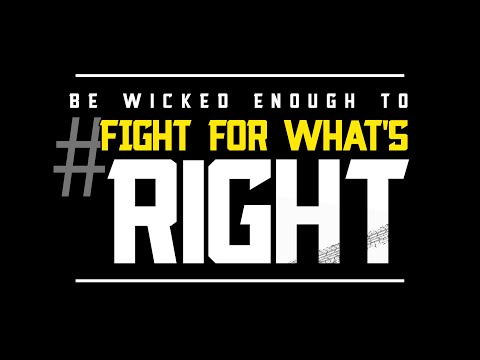
The execution follows a classic Setup-Turn-Payoff structure. The Setup (0:00-0:27) is a masterclass in building tension. Through cinematic, high-contrast shots, the ad establishes the motorcycle as a pristine, desirable object. This reverence is then shattered by the methodical, almost ritualistic, destruction of the bike. The sounds of scratching, tearing, and breaking are visceral, designed to make the viewer flinch. This sequence hooks the audience with a powerful question: 'Why is a brand destroying its own product?' The Turn (0:27-0:32) is the film's strategic core, delivered in a single line of voiceover: "This is never intentionally done to a bike. But sadly, this is the reality of many women every day." This line reframes everything the viewer has just seen. The damaged bike is no longer a bike; it's a stark metaphor for a human body subjected to violence. The Payoff (0:32-0:54) connects this raw emotion to a brand message. It presents harrowing statistics to ground the metaphor in reality and then co-opts its own tagline—'The Wicked Ride'—to issue a challenge: "Be wicked enough to fight for what's right." This pivot attempts to transform the brand's 'rebellious' attitude into one of moral courage.
The debrief for the team would be that the metaphor works exceptionally well on a creative level. It's a smart, shocking way to make an abstract social horror feel concrete and personal to an audience that might otherwise be detached. However, the strategic tightrope walk is perilous. The link between a 'wicked' motorcycle and fighting for women's rights is tenuous. Without sustained, authentic action—like the mentioned partnership with Josh Talks—the campaign risks being perceived as opportunistic 'woke-washing' rather than a genuine commitment to change.
Theme Keywords
Brand Position
The motorcycle for the new-age rebel who has a conscience.
Brand Archetype
Outlaw
Creative Game Plan
We will use the shocking destruction of our own product as a visceral metaphor to force our audience to confront the reality of violence against women.
Diagnosis: Issues & Solutions
Primary Issue: Strategic Sense
The Problem:
The campaign's biggest weakness is the strategic leap required to connect the brand's established 'wicked' personality (implying edgy, rebellious fun) with the moral righteousness of social activism. This conceptual dissonance can make the message feel inauthentic or forced, undermining its purpose-driven credentials.
The Solution:
Strengthen the campaign's authenticity by shifting focus from the single ad to the long-term program. Create follow-up content that showcases the actual workshops with Josh Talks, tells stories of impact from the initiative, and integrates the #FightForWhatsRight message into real-world dealer and community events to prove the commitment is real.
Secondary Issue: Clarity of "What's Next?"
The Problem:
While the ad is powerful at raising awareness, it's vague about what it wants the average viewer to do next, beyond using a hashtag. The actual, tangible action (participating in workshops) is buried in the YouTube description, weakening the ad's potential to drive real-world engagement.
The Solution:
Incorporate a more direct and actionable CTA in the end frame. This could be a simple URL or a QR code leading directly to the workshop sign-up page or a resource hub for domestic violence helplines, turning passive awareness into an opportunity for active participation.
Additional Notes
Related Links
Credits
Share this Analysis
More TVS Raider ad breakdowns
- All New TVS Raider iGO - Fastest 125cc motorcycle in segmentTVS Raider
- Calm to Boom | Xtreme 160R | Virat Kohli | #GoBoomGoXtremeHero MotoCorp
- Bajaj Avenger – The World’s Favourite IndianBajaj Auto
- Bajaj Pulsar – The World’s Favourite IndianBajaj Auto
- Introducing Passion XTEC | Alag Style, Alag Andaaz.Hero MotoCorp
- New and Re-loaded #Xtreme160R 2022 Edition | #GoBoomGoXtremeHero MotoCorp
- Bajaj Freedom | Azaadi aage badhne kiBajaj Freedom
- Tame the fear with Xtreme 160R StealthHero MotoCorp