The Real Bears - Ad Analysis

AI Editor notes
Straight from the gut!!
“This thing is a gut punch. Using a happy Jason Mraz song about sugar while showing a polar bear get its foot amputated by a chainsaw is a jarring, aggressive, and incredibly sticky creative choice. It feels like something from the heyday of confrontational advertising. It's long for today's standards, but for 2012, this was prime viral content designed to shock people into sharing. You can feel Alex Bogusky's anti-establishment ethos all over it. [1, 4]”
Quick Summary
This campaign weaponizes the advertising tropes of its opponent—specifically the iconic polar bears and promise of happiness used by Coca-Cola—to deliver a brutal, unforgettable message about the real health consequences of sugary drinks. It's a textbook example of 'culture jamming,' subverting a competitor's narrative by showing a darker, alternate reality.
Executive Summary
This campaign from the Center for Science in the Public Interest is a masterclass in confrontational advocacy advertising. Its core strategy isn't just to present facts, but to dismantle the carefully constructed emotional scaffolding that soda brands have spent billions to erect. The ad operates on a simple, powerful insight: people associate soda with happiness, a feeling largely manufactured by advertising. The campaign’s goal is to replace that feeling with the grim reality of soda’s health consequences. [1, 2]
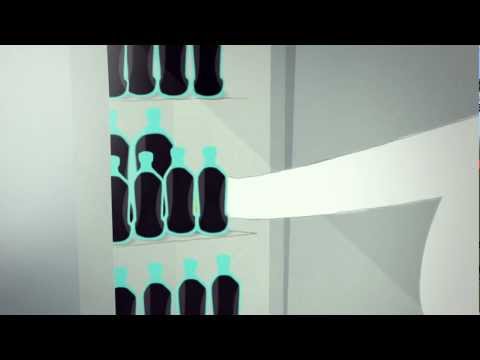
The execution follows a classic Setup-Turn-Payoff structure, amplified by sharp irony. The Setup (0:00-0:27) brilliantly co-opts the visual language of the very industry it attacks. We see a family of cute polar bears—an unmistakable nod to Coca-Cola's famous mascots—in a pristine arctic landscape, set to the cheerful, upbeat track 'Sugar' by Jason Mraz. This creates a false sense of security, lulling the audience into expecting a typical, happy beverage commercial. The Turn (0:28-2:17) is a slow, deliberate descent into body horror. The initial joy gives way to the consequences of consumption: obesity, listlessness, tooth decay, erectile dysfunction, and type 2 diabetes. Each affliction is visually represented in a simple but disturbing manner and, critically, backed by an on-screen citation from a reputable source like The Lancet or the CDC. This grounds the animated horror in hard fact. The ironic use of Mraz's happy song becomes increasingly unsettling, creating a powerful cognitive dissonance. The Payoff (2:18-3:26) is the film's brutal climax. The father bear's foot is amputated with a chainsaw, a visceral representation of a severe diabetes complication. The family is left broken and miserable, watching the same false promises of happiness on TV. The ultimate payoff is their decision to 'dump the unhappy' and walk away from soda, providing a clear, albeit difficult, path forward for the viewer.
The debrief for this campaign is clear: narrative subversion is an incredibly potent tool. By hijacking a competitor's most cherished brand assets—the polar bears—CSPI created a message that was impossible to ignore. It forced a conversation and reframed the product from a benign treat into a direct cause of suffering. While its nearly four-minute runtime is a relic of a different internet era, its core lesson in aggressive, symbol-driven storytelling remains as relevant as ever.
Theme Keywords
Brand Position
The courageous truth-teller exposing the dangerous realities hidden behind Big Soda's deceptive marketing.
Brand Archetype
Rebel
Creative Game Plan
Expose the lie that soda brings happiness by showing the miserable, real-world health consequences that happen after the sugar high wears off, using the industry's own mascots to tell the story.
Diagnosis: Issues & Solutions
Primary Issue: Emotional Connection
The Problem:
The film's relentless negativity, while its greatest strength, can also be a weakness. By focusing exclusively on fear and disgust, it risks viewer fatigue or causing the audience to disengage from messaging that feels overwhelmingly hopeless until the final seconds.
The Solution:
Introduce a moment of positive contrast earlier in the narrative. For instance, after the father bear is diagnosed, show a brief fantasy sequence of him happily drinking water and being healthy before snapping back to the grim reality. This would frame the 'what's at stake' more clearly and offer a glimmer of the solution sooner.
Secondary Issue: Clarity of "What's Next?"
The Problem:
The call to action, 'Share the Bears' and visit a website, is standard for a PSA but lacks a specific, immediate behavioral challenge. It tells people the problem but is less prescriptive about the very first step of the solution.
The Solution:
Add a more tangible, low-barrier call to action on the end card. Something like, 'Try one day without soda. Get tips at TheRealBears.org.' This gives the motivated viewer a concrete, achievable first step, increasing the likelihood of actual behavior change.