Cancer Research UK: Plain Packs - Ad Analysis

AI Editor notes
Straight from the gut!!
“It’s a gut punch. Seeing kids with cigarettes is immediately jarring. The 'what if it happened here?' twist is a classic advertising device, but it's executed effectively. This feels less like a typical charity ad asking for donations and more like a political attack ad, which is exactly what it needed to be to go up against the tobacco lobby. Smart, aggressive, and uncomfortable.”
Quick Summary
This ad isn't selling a product; it's selling a policy. By juxtaposing the tobacco industry's predatory tactics abroad with the unsettling image of British children smoking on their own streets, it makes an abstract legislative debate feel urgent and personal. It reframes plain packaging from a bureaucratic issue into a necessary shield to protect the UK's own kids.
Executive Summary
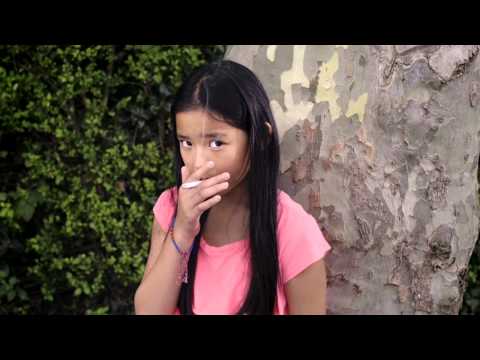
This film from Cancer Research UK and AMV BBDO is a prime example of strategic advocacy that uses emotional shock to drive a political objective. It operates on a simple, powerful insight: while we might see the tobacco industry's most predatory tactics as something that happens 'over there', their marketing intent is universal, and branded packaging is their Trojan horse in the UK.
The execution follows a classic Setup-Turn-Payoff structure. The Setup uses a documentary style to present a series of alarming facts about tobacco companies targeting children in Indonesia, China, and Colombia. This is paired with unsettling visuals of young children appearing to smoke. The slow, factual voiceover and gritty visuals lend an air of journalistic truth, establishing the tobacco industry as a clear villain operating in foreign lands. The Turn is the ad's critical moment. The narrator asks, "And what can they get away with here?" as the camera pulls back, revealing that the children are not abroad but on quintessential British streets, identifiable by a London street sign ("LONG LANE N2") and a red postbox. This twist masterfully reframes the issue, transforming a distant problem into an immediate, domestic threat. The Payoff connects this threat directly to the policy debate. The voiceover states that branded cigarette packs are the industry's primary tool for influencing UK children, giving the viewer a specific target for their anger. The final call to action, "Share this to help make standard packs a reality," weaponizes the viewer's emotional response, turning passive outrage into active political participation.
The key lesson from this campaign is that to win a political fight against a powerful lobby, advertising must be equally forceful. This wasn't a gentle appeal for donations; it was a targeted strike in a public relations war. By making the threat feel personal and providing a clear, simple action, the campaign empowered the public to become advocates themselves, ultimately contributing to the successful passage of plain packaging legislation in the UK. [3, 4, 14]
Theme Keywords
Brand Position
To be the nation's leading, uncompromising defender of public health against the threats posed by tobacco.
Brand Archetype
Hero/Sage
Creative Game Plan
Expose the tobacco industry's global playbook for recruiting children, then shock the audience by revealing it's happening at home through the silent salesmanship of branded packaging.
Diagnosis: Issues & Solutions
Primary Issue: Emotional Connection
The Problem:
The primary risk is that the shock-tactic visuals of children smoking are so jarring that some viewers may disengage or dismiss the ad as overly manipulative before the core message about UK policy is delivered.
The Solution:
Mitigate the risk of tune-out by ensuring the pacing allows the 'reveal' to land clearly. The calm, factual voiceover is a good counterpoint to the shocking imagery, helping to ground the piece and frame it as a serious argument rather than just emotional manipulation.
Secondary Issue: Strategic Sense
The Problem:
The campaign could be accused by opponents of exploiting children to make a political point, potentially opening it up to criticism that could distract from the core policy argument.
The Solution:
The on-screen disclaimer, "The children in this film were not smoking cigarettes," is a crucial ethical and practical safeguard. In the broader campaign, this should be paired with clear, evidence-based reports (as Cancer Research UK did) to substantiate the claims and prove the strategy is based on fact, not just emotion.