The Magic Taste of Coke - Ad Analysis

AI Editor notes
Straight from the gut!!
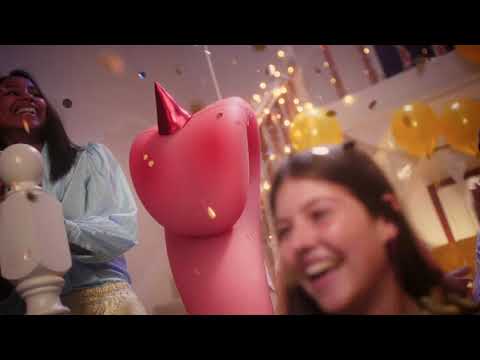
“A giant, bungee-jumping tongue. Okay. You can't accuse them of being boring. It's certainly memorable, but does it make me want a Coke? It's a bit much, and frankly, a little weird. It feels like they're trying very hard to be 'random' for the TikTok generation. I get the strategy—connect the physical taste to an emotional payoff—but the execution is so surreal it almost overshadows the product itself.”
Quick Summary
This ad aims to prove that the 'magic' of Coca-Cola isn't just a marketing slogan, but a physical sensation that can transform a mundane moment into a whirlwind of joy and adventure. It uses a bizarre, unforgettable visual—a giant, animated tongue—to literalize the idea of 'tasting the feeling,' ensuring the brand's core message of happiness is delivered in a way that's impossible to ignore.
Executive Summary
This Coca-Cola spot is a full-throated defense of a classic brand promise, delivered in a defiantly modern, surrealist package. In a world saturated with lifestyle advertising showing happy people doing happy things, the brand needed a way to make its core message—Coke equals happiness—feel new. The solution, from agency Wieden+Kennedy, was to stop just showing the feeling and instead try to visualize the physical catalyst: the taste itself. [3, 5]
The Core Insight here is that the unique taste of a Coca-Cola is a portal. It’s not just a flavor; it’s a sensory trigger powerful enough to transport you from the mundane to the magical. The ad zeroes in on the universal experience of being stuck in a boring moment—in this case, a rainy bus stop—and presents the product as the key to an instant escape. This is a foundational Coke strategy, updated.
The execution follows a classic Setup-Turn-Payoff structure, amplified by a bizarre creative device. The Setup (0:00-0:02) is the drab, grey reality of waiting for a bus. It’s relatable and instantly establishes the 'problem'. The Turn (0:02-0:05) is the sip of Coke, but instead of a simple smile, we get the ad's big, weird swing: the protagonist's tongue animates, grows to a colossal size, and literally pulls her out of the scene. This is the hook, designed to stop a viewer from scrolling. It’s a polarizing choice, but an effective one for grabbing attention. The Payoff (0:05-0:54) is a rapid-fire montage of pure, aspirational joy—beach days, ski slopes, house parties, bungee jumps. [3, 8] By showing this whirlwind of activity from the tongue's point-of-view, the ad directly connects every exciting moment back to the act of tasting. The return to the bus stop at the end, with the protagonist now smiling, closes the loop. The experience was internal, a feeling created by the taste, capped off by the perfect tagline: "Taste the feeling." [10]
The Debrief for the team is that taking a big creative risk can pay off in terms of memorability. No one who sees this ad will forget the 'Coke tongue'. [6] It successfully makes an old brand feel unpredictable. However, it also shows the danger of a creative device overpowering the emotion. The ad is so focused on its weird visual that it feels more like a spectacle than a genuine emotional story. It's a trade-off: sacrifice subtlety for shareability. For a market leader like Coke, whose primary job is simply to stay top-of-mind, this was likely a calculated and effective move.
Theme Keywords
Brand Position
Coca-Cola is the catalyst that transforms ordinary moments into magical feelings.
Brand Archetype
Innocent
Creative Game Plan
Visualize the explosive feeling of tasting a Coke by transforming the tongue into a character that leads you on an adventure.
Diagnosis: Issues & Solutions
Primary Issue: Emotional Connection
The Problem:
The central creative device—the giant animated tongue—is so surreal and borderline grotesque that for a segment of the audience, it may create a feeling of weirdness or even revulsion that directly competes with the intended emotion of simple joy.
The Solution:
Soften the execution of the visual gag. Instead of a hyper-realistic, disembodied tongue, the animation could have been more abstract or character-driven, making it feel more like a charming magical creature representing 'taste' rather than a literal body part on an adventure.
Secondary Issue: Strategic Sense
The Problem:
The ad does a great job of associating 'Coke' with adventure, but a less effective job of associating 'Coca-Cola Zero Sugar' (the specific product shown) with it. The message is so broad it applies to the entire brand, diluting the focus on the sugar-free variant.
The Solution:
Incorporate a subtle cue that ties the experience back to 'Zero Sugar.' For example, a visual metaphor where the tongue dodges 'sugar-lumps' during its adventure, or a quick line in the song, could have reinforced the specific product benefit without undermining the main creative.
Additional Notes
Related Links
Credits
Share this Analysis
More Coca-Cola ad breakdowns
- COCA-COLA | O ANO DA VIRADACoca-Cola
- Who will you Share A Coke with?Coca-Cola
- The Lost Voices | Football World Cup FandomCoca-Cola
- McVeggie + Coke Zero @ Just ₹149!Coca-Cola
- Coca-Cola | It's Magic When the World Comes Together | Paris 2024 | Global Coca-Cola
- Kıpır Kıpır Bir Coca-Cola?Coca-Cola
- Pilav Show! - #TadınıÇıkarCoca-Cola
- Coca-Cola: Te tocó nacer acáCoca-Cola