That T-Mobile Home Internet Feeling | 2024 Big Game Day Commercial | T-Mobile Home Internet - Ad Analysis

AI Editor notes
Straight from the gut!!
“It’s a perfectly cromulent Super Bowl ad. Fun, big, and dumb in the right way. The Braff/Faison pairing still works, and Momoa is always a welcome presence. The *Flashdance* bit is clever, and the Jennifer Beals cameo is the chef's kiss that makes the whole parody land. [7] But let's be honest, could you swap the T-Mobile logo for Verizon or AT&T at the end? Pretty much. It's memorable for the gag, maybe not the brand.”
Quick Summary
T-Mobile uses the classic Super Bowl formula—big celebrities, a nostalgic musical parody, and broad humor—to frame its 5G Home Internet as the simple, joyful escape from the universally hated experience of waiting for the cable guy.
Executive Summary
T-Mobile’s 2024 Super Bowl entry is a masterclass in executing a simple, effective, top-of-funnel advertising strategy. The core insight is potent and universal: people despise the process of dealing with traditional cable internet providers. It’s a category defined by inconvenient appointment windows, messy installations, and a general feeling of being powerless. T-Mobile positions its 5G Home Internet not just as a technological alternative, but as an emotional release from this shared frustration.
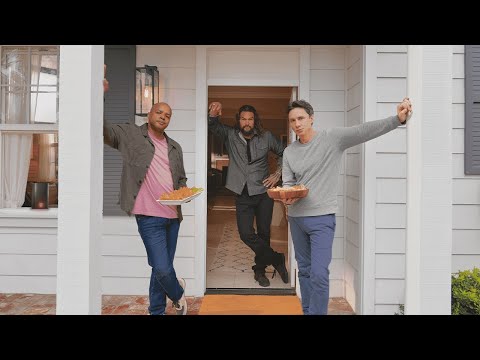
The execution follows a classic Setup-Turn-Payoff structure, wrapped in the high-gloss packaging of a musical. The Setup is immediate and relatable: Jason Momoa has to cancel his Super Bowl party because he's stuck 'waiting on the cable internet guy.' This instantly establishes the conflict and the villain. The Turn is the arrival of Zach Braff and Donald Faison, who function as a Greek chorus of brand evangelists. Through a parody of 'What a Feeling' from Flashdance, they explain the solution. The genius here is in the demonstration: Faison simply passes the router through the window, and the lyrics explain, 'just plug it in.' This visual shortcut brilliantly communicates the product's primary benefit—ease of installation. The Payoff is Momoa’s explosive conversion. He doesn't just feel relieved; he feels an ecstatic freedom that compels him to perform backflips and recreate the iconic water-drenching scene from the film. This hyperbolic joy is the 'T-Mobile Home Internet Feeling' from the ad's title. The surprise cameo by Jennifer Beals serves as the final, clever punchline, confirming the reference for anyone who might have missed it and adding another layer of pop-culture credibility. [6, 7]
The debrief for the team is that this strategy works for a massive awareness play like the Super Bowl. The ad successfully leverages a collection of borrowed equities: the Scrubs chemistry, Momoa's charismatic persona, and the nostalgia of Flashdance. It translates a functional benefit (no technician needed) into a powerful emotional feeling (freedom and joy). While it might lack the unique brand distinctiveness of more avant-garde work, its populist appeal and flawless execution make it a highly effective piece of commercial art designed to drive brand recall and search queries from a mass audience.
Theme Keywords
Brand Position
The simple, liberating, 'uncarrier' solution to home internet.
Brand Archetype
Jester
Creative Game Plan
Turn the misery of waiting for a cable technician into a moment of pure, unadulterated joy by showing how easy it is to switch to T-Mobile Home Internet, all through a celebrity-fueled *Flashdance* parody.
Diagnosis: Issues & Solutions
Primary Issue: Strategic Sense
The Problem:
The ad relies so heavily on celebrity charm and a borrowed-interest musical number that the product itself feels secondary. There's a risk that viewers remember the *Flashdance* parody with Jason Momoa but fail to connect it strongly with T-Mobile Home Internet, a classic pitfall of celebrity-first Super Bowl ads.
The Solution:
Integrate the product more centrally into the payoff. For instance, the celebratory dance could have been visually tied to the router's signal, with light beams pulsing from the device, or Momoa could have been streaming a movie flawlessly on a tablet while doing his backflip, reinforcing the 'why' behind the joy.
Secondary Issue: Clarity of "What's Next?"
The Problem:
The call to action is clear but lacks urgency. It directs people to a website but gives them no compelling reason to go *now* versus later, potentially losing the impulse generated by the ad's high energy.
The Solution:
Incorporate a simple, time-sensitive offer in the end card. Something like 'Switch now and get a $100 gift card' or showing a competitive price point ('Just $50/month') would add a rational driver to the emotional appeal, converting immediate interest into action.