Take Your Mind to Alabama’s Beaches - Ad Analysis

AI Editor notes
Straight from the gut!!
“A three-minute hypnosis video to sell a beach vacation? It's a weird, bold swing. I have to respect the bravery of a tourism board signing off on something that isn't just another montage of smiling families. It's memorable because it's so different. The whole 'tongue-in-cheek' thing is crucial, because if this were played 100% straight, it would be unwatchable. It's trying to be the Calm app for tourism, and for that, it's an interesting experiment.”
Quick Summary
This campaign cleverly sells Alabama not as a destination, but as a state of mind. By framing a trip to the beach as a 'guided hypnotic' session, it taps into the cultural current of wellness and mindfulness, positioning Alabama's shores as a direct antidote to modern stress. It's a high-concept, 'tongue-in-cheek' idea that allows a challenger brand to stand out from the generic 'fun in the sun' advertising of its competitors. [2, 3]
Executive Summary
In a sea of tourism ads filled with identical shots of families splashing in the surf, the Alabama Tourism Department took a calculated risk with its 'Mind Trip' campaign. Instead of shouting about attractions, it whispers about tranquility. The campaign is built on a simple, powerful insight: in a world riddled with stress from pandemics and economic uncertainty, people don't just crave a vacation, they crave a mental escape. [6] This ad delivers that escape, literally.
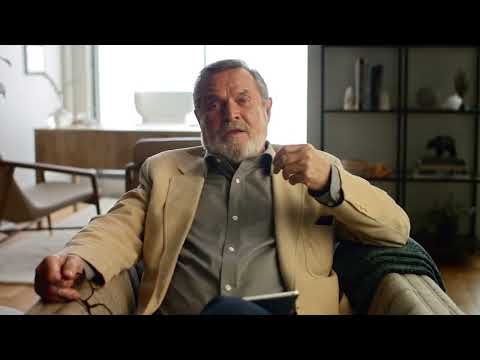
The execution follows a clear AIDA (Attention, Interest, Desire, Action) model, but filtered through a quirky, high-concept lens. It grabs Attention not with loud music, but with the quiet, direct address of a hypnotherapist. This immediately breaks the viewer's expectations. Interest is built through the novelty of the premise—a 'guided hypnotic trip' to the beach. [3] It’s an invitation to participate, not just watch. The ad then builds Desire by layering a deeply sensory voiceover onto classic, beautiful beach imagery. The script focuses on feeling the sun, hearing the waves, and smelling the salt air, creating a virtual experience that feels personal and immersive. The visuals are serene, almost dreamlike, reinforcing the promise of relaxation. Finally, the Action is delivered with a clever wink. The therapist 'wakes' the viewer and makes a direct suggestion: if you enjoyed the mental trip, it's time to take the real one. The call to action is soft, guiding the viewer to a website, which is appropriate for a campaign focused on changing perception rather than driving an immediate sale. [3]
The debrief for this campaign is that a challenger brand can win by changing the conversation. Alabama can't out-Florida Florida when it comes to mega-resorts or theme parks. So, instead, they’ve chosen to compete on a different axis: mental wellness. They’ve successfully carved out a unique positioning as the beach destination that offers serenity. The 'tongue-in-cheek' nature of the hypnosis is critical; it gives the audience permission to enjoy the concept without feeling silly. [2] This self-awareness is what elevates it from a potentially strange idea to a clever and award-winning piece of communication. [2]
Theme Keywords
Brand Position
The surprisingly serene beach escape for your mind.
Brand Archetype
The Sage
Creative Game Plan
Use the language of hypnotherapy and mindfulness to transport viewers mentally to our beaches, proving they are the ultimate destination for relaxation.
Diagnosis: Issues & Solutions
Primary Issue: Emotional Connection
The Problem:
The ad's greatest strength—its nearly three-minute runtime and slow, meditative pace—is also its biggest weakness. It demands significant viewer commitment and risks being perceived as boring or tedious by an audience not immediately receptive to the 'hypnosis' gimmick, potentially alienating them before the core message lands.
The Solution:
Develop a series of shorter, 15-second ads that lead with the most compelling sensory visuals and a single line from the therapist. Use these to pique interest on platforms like Instagram Stories and YouTube pre-roll, driving motivated viewers to the full 'Mind Trip' experience on the landing page.
Secondary Issue: Clarity of "What's Next?"
The Problem:
The call-to-action is thematically perfect but commercially passive. By simply suggesting a visit, it misses an opportunity to capture the interest it has so carefully built. The viewer is left feeling relaxed but without a clear, compelling next step beyond visiting a generic travel website.
The Solution:
After the main CTA, add a specific, low-commitment offer that aligns with the wellness theme, such as 'Download our 3-day relaxation itinerary' or 'Get a free guide to Alabama's most peaceful beaches.' This would provide a tangible next step and a better lead-generation tool.
Additional Notes
Related Links
Credits
Share this Analysis
More Alabama Tourism Department ad breakdowns
- Year of Alabama Arts - Gee's Bend QuiltersAlabama Tourism Department
- Year of Alabama Arts - Jerry BrownAlabama Tourism Department
- Year of Alabama Arts - Charlie LucasAlabama Tourism Department
- LångevityVisit Halland
- Bees & Friends Hotels | Switzerland TourismSwitzerland Tourism
- Introducing the IcelandverseInspired by Iceland
- Discover Zurich with Alayah Pilgrim | UEFA Women's EURO 2025 | Switzerland TourismSwitzerland Tourism
- Vienna: The last place you want to be. I ShortfilmVienna Tourist Board