Sticky Varnish Hellmanns 16x9 :30 - Ad Analysis

AI Editor notes
Straight from the gut!!
“This feels like a solid, old-school TV ad. The gag is simple, visual, and gets a light chuckle. It’s competent work. But is it special? Not really. The idea that a sandwich is so good you become oblivious is a bit of a category trope. You could almost swap in another delicious product and the ad would still function. It's safe, professional, and ultimately, a little forgettable.”
Quick Summary
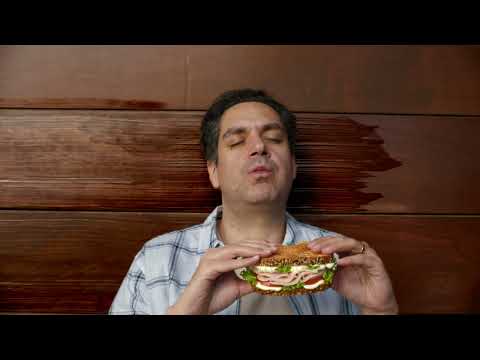
Hellmann's demonstrates its irresistible taste through a simple, memorable sight gag: the flavor is so absorbing, a man gets stuck to his own garage door without noticing. [1, 5] This ad revives the classic 'Bring Out the Best' tagline with quirky, physical comedy designed to be easily digestible and entertaining for a broad audience. [3, 4]
Executive Summary
This Hellmann's spot is a textbook example of classic, gag-based advertising brought into the modern era. The campaign resurrects the brand's iconic 'Bring Out the Best' tagline, aiming to reinforce its market-leader status through simple, accessible humor. [1, 4] The core insight is straightforward: a truly delicious taste can be so engrossing that it renders you completely oblivious to your surroundings.
The execution follows a classic Setup-Turn-Payoff structure. The Setup juxtaposes two scenes: the mundane chore of a father varnishing a garage door and the creation of a delicious-looking sandwich featuring Hellmann's. This establishes a low-stakes problem (boredom) and presents the product as the solution. The Turn occurs when the father takes his first bite. The world melts away, the music swells, and he leans back in a moment of pure, unadulterated pleasure. This is the pivot where the product's benefit is fully realized. The Payoff is the comedic reveal. His blissful escape has a consequence: he's stuck to the freshly varnished, and now opening, garage door. The visual of him ascending helplessly, still chewing, delivers the punchline, which is then explicitly stated by the voiceover: 'You forget the rest, when you bring out the best.'
The debrief for the creative team would be a mixed bag. The ad succeeds in its primary goal of being memorable and entertaining, key attributes for reaching younger audiences. [1, 3] The gag is visual, works with the sound off, and is easily shareable. However, the work lacks a strong, ownable brand connection. The insight isn't unique to mayonnaise; it's an insight about satisfying food in general. While professionally executed by director Harold Einstein, known for this quirky comedic style, the ad feels strategically safe. [5] It's a solid piece of brand reinforcement that will likely perform well in recall tests but stops short of building deeper brand equity.
Theme Keywords
Brand Position
The gold-standard mayonnaise that makes good food great.
Brand Archetype
Everyman
Creative Game Plan
Dramatize the irresistible taste of Hellmann's by showing it causes a moment of complete, comical obliviousness.
Diagnosis: Issues & Solutions
Primary Issue: Strategic Sense
The Problem:
The central idea that a food is 'so good it's distracting' is a generic advertising trope. The ad doesn't provide a compelling reason why *Hellmann's mayonnaise*, specifically, is the ingredient responsible for this transcendent experience, making the creative idea transferable to any number of competitors.
The Solution:
Visually anchor the moment of bliss more directly to the product. For instance, a quick, stylized 'flavor-vision' shot showing the creamy mayonnaise transforming the other ingredients could have helped isolate its role as the hero, making the resulting obliviousness a direct consequence of the Hellmann's effect.
Secondary Issue: Emotional Connection
The Problem:
The ad introduces a father-son dynamic but uses it merely as a vehicle for the gag. The son's reaction is one of simple confusion, missing an opportunity to create a moment of shared humor or warmth that would deepen the brand's association with family connection.
The Solution:
Change the son's reaction from passive confusion to active amusement. A shared smile or a suppressed laugh between father and son after the fact would have transformed the scene from a simple slapstick moment into a relatable family memory, subtly adding emotional depth.