Hellmann's- Where does it come from? - Ad Analysis

AI Editor notes
Straight from the gut!!
“This is a classic piece of mid-2010s content marketing. It's earnest, wholesome, and completely safe. The 'kids stump the parents' trope is a reliable hook. Bringing in Chef Chuck Hughes is a smart play for credibility. But it feels more like a corporate social responsibility video than an ad with a sharp edge. It's trying to build trust around an ingredient—canola oil—that most people probably don't think twice about. It's pleasant, but not particularly memorable.”
Quick Summary
This ad is about closing the knowledge gap between the grocery aisle and the farm. Hellmann's uses the innocence of children to reveal that most adults don't know where their food comes from, then solves this problem with an educational trip to a farm. By physically showing the journey from a canola flower to a jar of mayonnaise, the brand positions itself as a transparent, trustworthy guide in the 'real food' movement, building emotional equity rather than pushing for a direct sale.
Executive Summary
This Hellmann's piece is a prime example of a brand acting as an educator to build trust. It operates on a simple, relatable insight: in our modern, urban lives, we've become disconnected from the origins of our food. The entire creative is structured to diagnose this disconnect and then provide the cure, with Hellmann's positioned as the knowledgeable and caring guide.
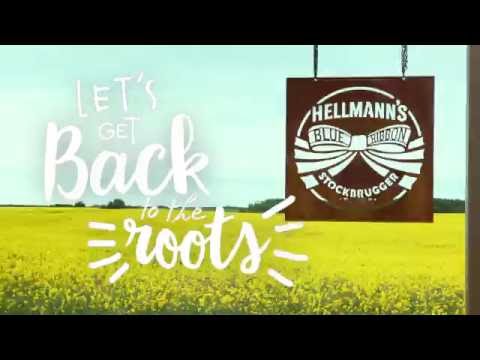
The execution follows a classic Documentary/Educational format. It starts with a problem framed by a question from a child, a clever device that immediately establishes a knowledge gap without being preachy. The ad then takes us on a literal journey from a sterile classroom environment to the vibrant, authentic setting of a Canadian canola farm. This transition is the core of the ad's narrative. Celebrity chef Chuck Hughes and a real farmer serve as credible experts, grounding the experience in authenticity. The 'proof' stage is crucial; we see families physically crushing canola seeds to see the oil and participating in sustainable practices like planting trees. This hands-on demonstration makes the brand's 'simple ingredients' claim tangible. The payoff is the communal meal at the end. The final message, 'When we know more, we eat better,' effectively closes the loop, connecting the educational journey to a direct emotional and physical benefit. The visual style, with its handheld feel and folksy music, reinforces the documentary-like authenticity.
The debrief for the team would be that this approach is highly effective for a market leader looking to defend its position and build a moat of trust. By focusing on education and transparency, Hellmann's moves the conversation away from just price or taste and toward shared values. It successfully associates the brand with the positive cultural trends of food provenance and sustainability. The primary weakness is its passive nature. It’s a 'lean-back' piece of content that informs and warms the heart but doesn't explicitly ask the viewer to do anything, risking low engagement beyond the initial view.
Theme Keywords
Brand Position
The trusted, mainstream mayonnaise that connects you back to simple, real food origins.
Brand Archetype
Caregiver
Creative Game Plan
Demonstrate our commitment to real ingredients by taking real families on a transparent journey from the farm to the jar.
Diagnosis: Issues & Solutions
Primary Issue: Clarity of "What's Next?"
The Problem:
The ad does a solid job of building an emotional case for the brand but completely fumbles the handoff. After investing 90 seconds in this story, the viewer is left with a warm feeling but no clear path to extend their engagement or learn more.
The Solution:
Implement a clear, low-friction call-to-action. An end-card saying, 'Discover more real food stories at Hellmanns.ca' or 'Get Chef Chuck's recipe from the farm' would give engaged viewers a specific destination and convert passive sentiment into active brand engagement.
Secondary Issue: Emotional Connection
The Problem:
The emotion is broad and pleasant but lacks a singular, powerful focal point. By featuring multiple families, the individual 'aha' moments are diluted into a general montage of wholesomeness.
The Solution:
Focus the narrative on a single parent-child duo. By following their specific journey from doubt in the classroom to a moment of genuine discovery on the farm, the ad could have created a more potent and memorable emotional arc.