Star Wars: The Force Awakens Official Teaser - Ad Analysis

AI Editor notes
Straight from the gut!!
“This is how you do it. This is the template for relaunching a cultural juggernaut. It’s all restraint. They don’t show Luke, Han, or Leia. They don’t explain the plot. Just a series of beautiful, intriguing shots that ask a dozen questions. The panicked stormtrooper, the rolling droid, that crazy lightsaber. Then, the payoff. The Falcon and that music. It’s pure, calculated emotional manipulation, and it’s a perfect piece of advertising.”
Quick Summary
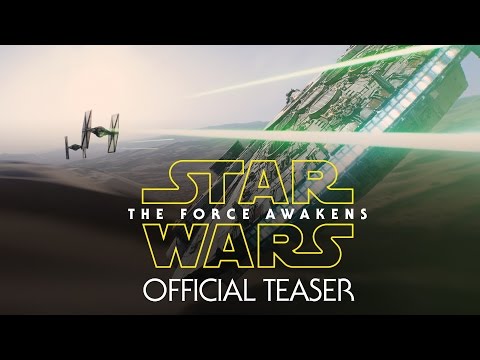
This teaser's job was to signal a return to form for a beloved, multi-billion dollar franchise after a period of fan disappointment. It did this by masterfully blending mystery with nostalgia, using a series of intriguing but unexplained images of new characters and threats before delivering an emotional knockout punch: the Millennium Falcon set to John Williams' classic score. It didn't sell a story; it sold the return of a feeling.
Executive Summary
After a divisive prequel trilogy, the challenge for 'The Force Awakens' wasn't just to introduce a new film, but to heal a fractured fan relationship and recapture a feeling. The core insight driving this teaser is that for this specific audience, mystery and nostalgia are far more powerful currencies than information. The campaign understood that fans were desperate to feel the way the original trilogy made them feel, and this 88-second spot is engineered to deliver precisely that.
The execution follows a deliberate structure of escalating emotional investment. It begins with 'Mystery,' using Andy Serkis's ominous voiceover and the image of a desolate desert planet to establish a sense of gravitas. The hook is immediate and disorienting: a panicked John Boyega, a Stormtrooper without a helmet, suggesting a break from the established order. This opening phase leverages the audience's existing knowledge of 'The Force' to create intrigue without revealing anything concrete.
Next, the teaser pivots to 'Introduction,' rapidly showcasing the new guard. We see the instantly charming BB-8, an isolated and capable-looking Daisy Ridley, and a determined Oscar Isaac. These are archetypes in motion, relying on pure visual storytelling to establish their presence. They are new, but they feel like they belong in this universe. The sequence is punctuated by the reveal of a new, more menacing Stormtrooper design, updating the familiar.
Then, the 'Threat' is unveiled. The tone shifts to a dark, snowy forest as the voiceover mentions 'The dark side.' The reveal of Kylo Ren and his crackling, unstable crossguard lightsaber is the teaser's central point of debate. It was a calculated risk that generated millions of dollars worth of free media through fan discussion and speculation, serving the teaser's goal of starting a conversation.
Finally, the 'Promise.' Just as the threat is established, the voiceover offers balance: '...and the light.' This ushers in the teaser's emotional climax and payoff. The triumphant swell of John Williams' score, a sound deeply embedded in the cultural consciousness, accompanies the glorious reveal of the Millennium Falcon. This single moment is the ad's core promise: the new elements you've just seen are anchored to the classic adventure you've always loved. It’s a moment of pure, unadulterated fan service that validates the entire premise of the new film and guarantees audience buy-in for the year of marketing to come.
Theme Keywords
Brand Position
The definitive modern myth—a timeless space opera of good versus evil, family, and hope.
Brand Archetype
Hero
Creative Game Plan
Reassure loyalists and intrigue newcomers by proving the classic 'Star Wars' feeling is back, all while wrapping it in a compelling new mystery.
Diagnosis: Issues & Solutions
Primary Issue: Emotional Connection
The Problem:
While nostalgia is powerfully leveraged for existing fans, the teaser offers little narrative entry point for a theoretical viewer completely new to the Star Wars universe. The emotional weight is almost entirely dependent on pre-existing brand equity.
The Solution:
This is a deliberate and strategically sound trade-off for a *teaser*. The subsequent full trailers would bear the responsibility of grounding the new characters' motivations with a line of dialogue or a clearer objective to broaden the appeal beyond the core fanbase.
Secondary Issue: Strategic Sense
The Problem:
The creative is so successful at generating questions that it risks creating expectations that the film itself might not meet. The mystery of the crossguard lightsaber or the identity of the voiceover became mini-events in themselves.
The Solution:
Manage the follow-up. The marketing team must ensure the subsequent trailers and materials carefully begin to answer some of the questions raised here, guiding the narrative and preventing fan theories from spiraling beyond what the film can deliver.
Additional Notes
Related Links
Credits
Share this Analysis
More Star Wars ad breakdowns
- SAUSAGE PARTY - Grocery Store PrankSony Pictures Entertainment
- RUSTIN | Official Teaser Trailer | NetflixNetflix
- NAPOLEON - Official Trailer (HD)Napoleon (Movie)
- DON 3 | Title Announcement | Ranveer Singh | Farhan AkhtarDon (Franchise)
- Barbie | Main TrailerBarbie
- Barbie | The Album x Movie (Trailer)Barbie
- Toy Story 4 | Official Trailer 2Pixar
- A Cure For Wellness | "Take The Cure" #SB51 Commercial | 20th Century FOXA Cure for Wellness (Movie)