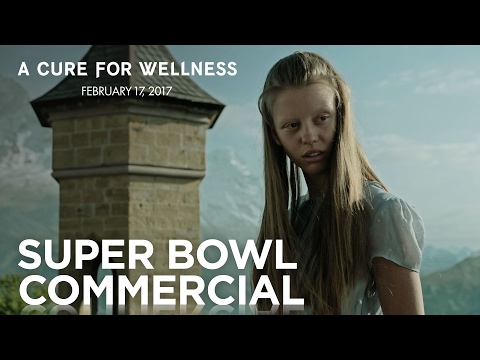
A Cure For Wellness | "Take The Cure" #SB51 Commercial | 20th Century FOX - Ad Analysis

AI Editor notes
Straight from the gut!!
“This is a smart, high-risk play. In a sea of celebrity cameos and slapstick, they went with a high-concept genre parody. Does the average Super Bowl viewer, a few drinks in, get the joke or just get confused? It feels made for film fans more than the general public. But it’s confident work that trusts the audience to be in on the gag, which is refreshing. It's jarring, and it sticks with you.”
Quick Summary
This ad masterfully weaponizes the generic pharmaceutical commercial format to create something unsettling and memorable. By perfectly mimicking the hopeful setup and then twisting the "side effects" into a litany of horrors, it breaks through the Super Bowl clutter not with humor or celebrities, but with a smart, high-concept premise that perfectly sells the movie's psychological thriller tone.
Executive Summary
This ad's success lies in its brilliant subversion of a deeply ingrained advertising formula. It leverages the visual and narrative language of pharmaceutical commercials—a category defined by its predictable, almost comforting structure—to sell a product from the opposite end of the emotional spectrum: a psychological horror film. The campaign taps into a modern cultural skepticism about the wellness industry, which often preys on a universal feeling of inadequacy with promises of a cure that can feel just as toxic as the supposed disease. The ad doesn't just sell a movie; it sells a feeling of intelligent dread.
The Core Insight: The modern, obsessive pursuit of 'wellness' has a dark underbelly. The promises of serene retreats and miracle cures often mask something far more sinister, preying on our desperation to feel better. This ad taps into a latent suspicion about this culture, making the viewer complicit in the critique.
The Execution (Setup–Turn–Payoff): The ad is a textbook example of this classic narrative structure. The Setup (0:00-0:08) perfectly mimics a pharma ad with its warm, hopeful imagery and empathetic voiceover: "Are you tired of not feeling well?" It establishes a clear, generic expectation. The Turn (0:09-0:23) is a masterstroke of misdirection. The visual tone shifts to a cold, clinical green as the audio pivots to a rapid-fire disclaimer of 'side effects.' The list escalates from mundane ailments to pure body horror ('insanity, self-mutilation, murderous rage'), creating a jarring and memorable disconnect. The Payoff (0:24-0:30) resolves the induced confusion. A final, calm voiceover states, "In 12 days… take the cure," as the title card reveals the product is the film itself. The bait-and-switch is complete, leaving the audience with a clear understanding of the movie's genre and a lingering sense of unease. [8]
The Debrief: This is a case study in using genre parody to cut through the noise of a major media event like the Super Bowl. The team understood that being different is more effective than being loud. They respected the audience's media literacy, using their familiarity with advertising tropes as a creative weapon. The key lesson is that a sharp, well-executed concept can be far more powerful and buzzworthy than a simple, celebrity-driven spot, especially when launching a product that benefits from an aura of intelligence and mystery.
Theme Keywords
Brand Position
'A Cure for Wellness' is positioned as the thinking person's horror film—a stylish, unsettling psychological thriller that prioritizes dread over gore.
Brand Archetype
The Sage (twisted into its Shadow form), offering enlightenment and a 'cure' that is actually a terrifying poison.
Creative Game Plan
We will deceive the audience into thinking they are watching a standard pharmaceutical ad, then violently subvert their expectations to reveal it is a trailer for a terrifying horror film.
Diagnosis: Issues & Solutions
Primary Issue: Strategic Sense
The Problem:
The ad's biggest risk is that its parody is too perfect. A distracted viewer in a loud Super Bowl party environment might dismiss the first 10-15 seconds as a genuinely boring pharmaceutical ad and tune out before the critical twist lands. It's a high-concept piece that demands attention, which is a significant ask during the game.
The Solution:
To mitigate this, the opening montage could have included a single, fleeting 'off' image—something almost subliminal and strange—to create a sense of unease earlier and signal to the viewer that this is not what it seems.
Secondary Issue: Clarity of "What's Next?"
The Problem:
The on-air call to action is somewhat passive ('In 12 days... take the cure'). The campaign included viral marketing websites, but these were not prominently featured in the TV spot itself, potentially leaving engaged viewers without an immediate next step.
The Solution:
A more direct on-screen CTA, such as 'Discover the side effects at TakeTheCure.com,' could have better bridged the gap between the broadcast ad and the digital campaign, driving more immediate interaction.
Additional Notes
Related Links
Credits
Share this Analysis
More A Cure for Wellness (Movie) ad breakdowns
- SAUSAGE PARTY - Grocery Store PrankSony Pictures Entertainment
- RUSTIN | Official Teaser Trailer | NetflixNetflix
- NAPOLEON - Official Trailer (HD)Napoleon (Movie)
- DON 3 | Title Announcement | Ranveer Singh | Farhan AkhtarDon (Franchise)
- Barbie | Main TrailerBarbie
- Barbie | The Album x Movie (Trailer)Barbie
- Toy Story 4 | Official Trailer 2Pixar
- Star Wars: The Force Awakens Official TeaserStar Wars