Sprint "The Text" - Ad Analysis

AI Editor notes
Straight from the gut!!
“This is a solid, meat-and-potatoes TV spot that does its job well. Using Dale Jr., a Sprint-sponsored NASCAR driver, is a smart, authentic choice. The circular logic of 'texting that you can't text' is a clever hook that makes you lean in. It's a much more effective way to land a safety message than the typical scare tactics. It's not groundbreaking, but it's a well-executed idea that respects the viewer's intelligence.”
Quick Summary
Sprint turns a potentially dry Public Service Announcement into a memorable piece of entertainment by using a classic, 'Who's on First?'-style comedy sketch. It cleverly demonstrates the utility of its 'Drive First' app by making the product the simple, smart punchline to a funny, confusing problem, effectively promoting driver safety without being preachy.
Executive Summary
Sprint's 'The Text' is a masterclass in misdirection. At a time when ads about texting and driving were dominated by fear-based appeals and tragic scenarios, this spot, created by Leo Burnett, chose a different route: comedy. The ad's effectiveness hinges on a simple human truth: people are tired of being lectured, especially about things they already know are dangerous. A preachy message is easy to tune out, but a clever joke demands attention.
The core insight here is that the problem isn't a lack of awareness, but a lack of an easy solution. Drivers feel a social pressure to respond, and the ad positions the Sprint Drive First app as a simple, automated tool that resolves this conflict without requiring active willpower in the moment. The ad doesn't judge the user; it offers a clever life-hack.
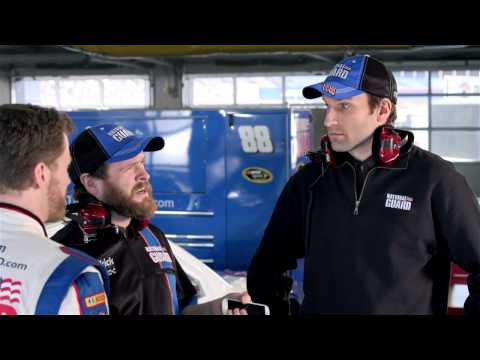
The execution follows a classic Problem-Solution structure, wrapped in a comedic sketch reminiscent of Abbott and Costello. It opens by establishing authority: we're in a NASCAR garage with Dale Earnhardt Jr., a man whose life depends on focus behind the wheel. The 'Problem' is introduced not as a danger, but as a logical conundrum presented by his crew: Dale sent a text saying he couldn't text. This dialogue-driven setup is the hook, drawing the viewer into the puzzle. The circular, confusing conversation builds until Dale Jr.'s knowing smile provides the turn. The 'Solution' is the reveal of the Sprint Drive First app, which instantly resolves the crew's confusion—the app sent the text for him. The product becomes the punchline. The payoff is the brilliant tagline, 'We can live without the 'and,'' which reframes the issue from 'texting and driving' to simply separating the two activities. The brand and product are positioned as the heroes that make this separation possible.
The debrief for any team watching this is clear: you can tackle a serious subject with a light touch. When the audience expects a lecture, give them a laugh. By making the product the solution to a funny problem instead of a grim one, Sprint created a positive, memorable association with its brand and a genuinely useful safety feature. It proves that a feature demo doesn't have to be boring; with the right creative wrapper, it can be entertainment.
Theme Keywords
Brand Position
Sprint is the clever, practical mobile carrier that provides smart solutions to modern problems.
Brand Archetype
The Citizen
Creative Game Plan
Demonstrate our smart safety app's function by wrapping it in a funny, confusing dialogue sketch starring a credible authority on driving.
Diagnosis: Issues & Solutions
Primary Issue: Clarity of "What's Next?"
The Problem:
The ad does an excellent job explaining the app's function but is soft on the call to action. The viewer understands what the app does, but the final screen with a URL is a passive invitation. The spot is so focused on the cleverness of the joke that it slightly underplays the urgency or ease of getting the app.
The Solution:
A simple voiceover addition at the end could have provided a stronger nudge, such as: 'The Sprint Drive First app. Automatically included for Sprint customers. Let everyone know you're driving safe.'
Secondary Issue: Strategic Sense
The Problem:
The benefit is framed entirely around the sender of the text (letting them know you're driving) rather than the driver themselves. While this is the app's function, it misses the opportunity to state the primary benefit for the user: peace of mind and reduced temptation.
The Solution:
A slight rephrasing in the voiceover could have reinforced the personal benefit. For example: 'The Sprint Drive First app. Focus on the road and let your texts answer themselves.'
Additional Notes
Credits
Share this Analysis
More Sprint ad breakdowns
- Sprint "Como La Mia" TV CommericalSprint
- SPRINT - THERE IS A PLAYER INSIDE ALL OF USSprint
- Sprint: Helipad adSprint
- Sprint "Never Change"Sprint
- AccessorizeSprint
- Tapzo: India's first all-in-one app - Loo film (starring Naveen Kasturia)Tapzo
- UFO Sightings Alert Network | Come Search With UsEnigma Labs
- GIPHY Keys (to Success)GIPHY