GIPHY Keys (to Success) - Ad Analysis

AI Editor notes
Straight from the gut!!
“This is genuinely clever. Instead of a boring screen-recording ad, they built an entire universe around the *problem* the app solves. The commitment to the 90s parody—the graphics, the absurd characters, the cheesy guru—is what makes it work. It's a long watch for today's standards, but for 2016 YouTube, this was exactly the kind of weird, funny content that gets shared. It’s self-aware without being smug.”
Quick Summary
By creating a pitch-perfect parody of a 90s daytime talk show, GIPHY masterfully transforms a functional product demo for its 'Keys' keyboard app into a highly entertaining and shareable piece of branded content. It sells the solution by making the problem of digital miscommunication hilariously relatable.
Executive Summary
GIPHY’s “Keys to Success” is a textbook example of how to make a product demonstration compelling. Instead of leading with the app, it leads with a universally understood human problem—the anxiety of being misinterpreted in digital conversations. The core insight is that while GIFs are supposed to make communication easier, choosing the wrong one can create more confusion, frustration, and social awkwardness.
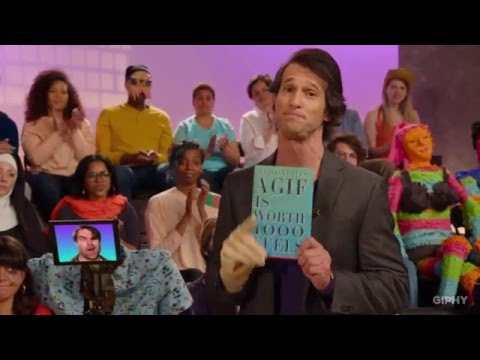
The execution uses a classic Problem-Solution framework, cleverly disguised as a parody of a 1990s daytime talk show. This nostalgic format immediately signals that the ad won't be taking itself too seriously. The setup introduces characters with relatable, albeit exaggerated, communication woes. We meet Terry, whose relationship is failing due to 'confusing GIFs,' Sam, who gets 'ghosted' for using a generic pickup GIF, and Cindi, who can't text fast enough to keep up with her cool cats. Each vignette establishes a clear pain point that the target Millennial audience would recognize instantly.
The 'solution' phase is where the product demo happens, but it’s integrated seamlessly. The 'GIF Guru,' Sharon Gives, doesn't just talk about the app; she guides each character through using it. We see the GIPHY Keys interface in action—the quick search, the relevant results—as the characters find the 'perfect' GIF to resolve their conflict. This repetition is deliberate and effective, hammering home the app's core value propositions (speed, relevance, clarity) without feeling like a lecture. The payoff for each character—reconnecting with a robot boyfriend, charming a piñata, impressing puppet cats—reinforces the 'success' promised in the title, all while escalating the absurdist humor.
The debrief for any team watching this is clear: don't just sell features, sell the solution to a feeling. GIPHY understood that people don't download a keyboard app; they download a tool to feel more connected, witty, and understood. By wrapping their feature list in a hilarious, shareable, and highly brand-distinctive narrative, they created an ad that people would choose to watch and share, turning a simple utility into a piece of entertainment.
Theme Keywords
Brand Position
The essential tool for perfectly expressing any emotion visually.
Brand Archetype
Jester
Creative Game Plan
Dramatize the everyday frustrations of digital miscommunication through a hilarious parody of a self-help talk show, positioning GIPHY Keys as the key to being perfectly understood.
Diagnosis: Issues & Solutions
Primary Issue: Strategic Sense
The Problem:
The ad's runtime of over three minutes, while necessary for the talk show parody to breathe, is a significant barrier in an age of declining attention spans. It relies heavily on the viewer being captivated enough by the comedy to stick around to the end, risking a high drop-off rate before the call-to-action is ever seen.
The Solution:
Develop a series of 15- and 30-second cutdowns, each focusing on a single character's problem-solution arc. These shorter, punchier edits would be far more effective for paid media placements like social media feeds and YouTube pre-roll, capturing the core message for a broader audience that won't commit to a long-form video.
Secondary Issue: Clarity of "What's Next?"
The Problem:
The final call-to-action is a simple text card, which feels like a letdown after the high-concept creativity of the preceding three minutes. It's a functional but flat ending to a dynamic ad.
The Solution:
Integrate the CTA into the parody itself. Have the host, Guy Handley, turn directly to the camera and, with the same cheesy enthusiasm, say, 'Don't let confusing GIFs ruin YOUR life! Download GIPHY Keys in the app store today. It's free!' This would maintain the ad's tone and energy through to the final frame.