Spot akcji "Powrót do szkoły" - Ad Analysis

AI Editor notes
Straight from the gut!!
“This is a gut punch, classic non-profit stuff. The 'disappearing' trick is a smart way to visualize the feeling of shame, and it definitely gets your attention. But it's emotionally heavy-handed. It's designed to make you feel bad, to guilt you into donating. It works, but it's a familiar playbook for this category. Does it build a long-term brand preference or just a short-term transactional response?”
Quick Summary
This ad uses a powerful and unsettling visual metaphor—children literally disappearing—to translate the internal, abstract feeling of shame into a tangible, urgent crisis. It argues that for children in poverty, the desire to be invisible is so strong it's like they cease to exist, forcing the viewer to confront the social consequences of ignoring their plight.
Executive Summary
This campaign from SOS Wioski Dziecięce is a textbook example of how to make an intangible, internal emotion—shame—feel like a visceral, visible crisis. It operates on a simple, powerful insight and executes it with a relentless focus that is both its greatest strength and its primary limitation.
The Core Insight: The simple human truth at the heart of this ad is that for a child, the burden of poverty isn't just about the lack of material possessions; it's about the overwhelming shame that makes them want to become invisible to escape judgment from their peers. School, a place that should be about learning and growth, becomes a stage for social anxiety where not having the right supplies or clothes feels like a spotlight on your otherness. The ad recognizes that this desire to disappear is a form of social death.
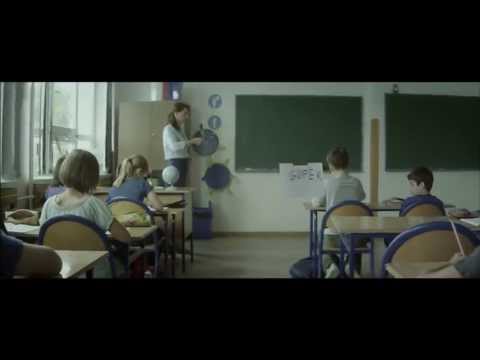
The Execution: The creative team at Ogilvy & Mather Advertising used a classic Setup-Turn-Payoff structure. The setup establishes a familiar, if slightly tense, school environment. We see kids being kids—running, playing pranks. The ominous string music, however, tells us something is wrong. The Turn is the surreal visual device: the victims of these pranks and bullying don't just get embarrassed, they literally vanish. This is a smart creative leap. Instead of just showing a sad child, the ad visualizes their internal state. The crossing guard, the boy in the stall, the kid on the whoopee cushion—they are erased. This transforms the ad from a simple social commentary into a haunting piece of film. The Payoff is delivered by the voiceover, which explicitly states the connection: "Children who are ashamed of poverty would rather disappear." The final plea, "Make the shame disappear instead of them," perfectly reframes the problem and presents the solution—the viewer's donation.
The Debrief: The key lesson from this spot is the power of a single, focused metaphor. The 'disappearing' concept is the entire ad. There are no subplots or distractions. This singular focus makes the message incredibly potent and memorable. However, it also highlights the reliance on negative emotional triggers, which is a common crutch in the non-profit sector. While effective for short-term fundraising, it risks creating donor fatigue and doesn't necessarily build a more nuanced, positive long-term relationship with the brand.
Theme Keywords
Brand Position
The indispensable support system that protects vulnerable children from the emotional and social wounds of poverty.
Brand Archetype
Caregiver
Creative Game Plan
Visually manifest the internal feeling of shame as a literal, physical disappearance to make the audience feel the urgency of childhood poverty.
Diagnosis: Issues & Solutions
Primary Issue: Emotional Connection
The Problem:
The ad's emotional journey is relentlessly negative, relying solely on pity, sadness, and guilt. While powerful, this one-note approach can cause viewers to disengage or feel manipulated, offering no sense of hope or empowerment until the final call-to-action.
The Solution:
Introduce a brief, contrasting scene at the end showing the positive outcome of a donation. For instance, after the call-to-action, show one of the 'disappeared' children reappear, smiling, holding a new notebook. This would provide emotional release and positively reinforce the donor's impact.
Secondary Issue: Strategic Sense
The Problem:
The connection between the emotional problem (shame causing kids to 'disappear') and the tangible request (money for school supplies) is slightly abstract. The ad doesn't explicitly show that a lack of supplies is the cause of the shame.
The Solution:
Strengthen the link by having one of the scenes directly involve a worn-out backpack or a broken pencil case as the trigger for the bullying or the child's feeling of otherness before they disappear. This would ground the metaphor in the specific problem the donations are meant to solve.
Additional Notes
Credits
Share this Analysis
More SOS Wioski Dziecięce ad breakdowns
- SOS Children Villages // Janek is still waiting...SOS Wioski Dziecięce
- SOS Wioski Dziecięce // Pierwsze świętaSOS Wioski Dziecięce
- Świąteczny sygnał SOSSOS Wioski Dziecięce
- SAY & @BBDOGroup Premiere :60 PSA to Raise Stuttering Awareness - 'IN THE SPOTLIGHT'SAY: The Stuttering Association for the Young
- Forget Me Not FarmForget Me Not Farm Children's Services
- The dot | Fundação Dorina (English)Fundação Dorina Nowill para Cegos
- UNEMPLOYED CHEF'S KITCHENSociedade Civil Solidária
- Norwegian association of the blind -- Could have been worseNorwegian Association of the Blind