Smartphone Addicts' Meeting - Ad Analysis

AI Editor notes
Straight from the gut!!
“I remember this type of ad from the early 2010s. It's a solid attempt at a viral hit. The 'Smartphone Addicts' Anonymous' idea is clever and relatable. But here's the problem: what is Wöbu? The entire ad is a great setup for a problem, but it completely fumbles the introduction of its own brand as the solution. It leaves me feeling entertained but clueless about the product. It's a classic case of the creative concept overshadowing the business objective.”
Quick Summary
This ad expertly captures the cultural anxiety of smartphone addiction with a clever, shareable concept, but it prioritizes the creative joke over brand clarity. The final reveal of the 'Wöbu' app is so brief and unexplained that the video succeeds as a viral short film but largely fails as an effective advertisement because the audience is left wondering what the brand actually is or does.
Executive Summary
This 2013 piece from Wöbu is a textbook example of a 'Trojan Horse' ad, a popular strategy for the viral video era. It wraps its brand message inside an entertaining, highly shareable creative concept. The ad uses a mock-documentary style, presenting a support group for 'smartphone addicts' in a format that parodies traditional 12-step programs. It’s a clever idea that perfectly captured the zeitgeist of the early 2010s, a time when society was beginning to grapple with the social consequences of constant connectivity.
The Core Insight: The central human truth this ad leverages is that our digital tools, designed to connect us, are paradoxically making us feel more isolated and are eroding our real-world social skills. The insight is that we recognize the absurdity of our own behavior—like needing the validation of a 'like' or communicating complex emotions through tiny icons—but feel powerless to stop. The ad suggests that this behavior has become a true addiction, an idea that resonates with anyone who has found themselves mindlessly scrolling.
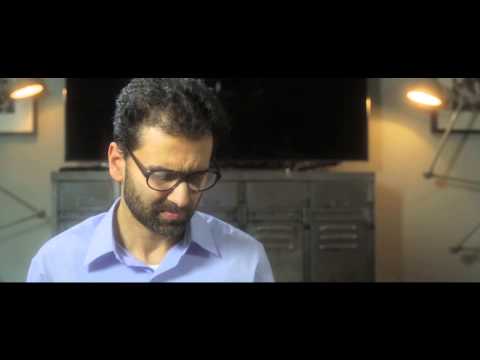
The Execution: The ad follows a simple Setup-Turn-Payoff structure. The Setup establishes a familiar, serious scene: a support group meeting. The therapist's somber tone and the group's earnestness create the expectation of serious confessions. The Turn happens with the first confession: "I was addicted to Facebook." This is the comedic reveal, where the ad pivots from drama to satire. The humor is built by escalating the absurdity—a man who hasn't 'liked' a post in four hours, a woman with a coat full of 'Instagram filter' sunglasses, and a man who can no longer smile without emojis. These vignettes are funny because they are only slight exaggerations of real behaviors. The Payoff is intended to be the final scene where the silent WhatsApp addict communicates via the Wöbu app, revealing the brand. This is followed by title cards urging viewers to have a '#nophoneday' for Christmas. However, this is where the execution stumbles. The brand reveal is too subtle and too late. After two minutes of engaging storytelling about a universal problem, the solution—Wöbu—is presented without any context or explanation. What does Wöbu do? How does it solve this problem? The ad never says.
The Debrief: The key lesson here is the danger of falling in love with your creative concept at the expense of your brand. The team created a shareable piece of content that was likely successful in earning views and social chatter. But for a new brand, earned media without brand recall is empty. The ad generated awareness for the problem but not for the solution. When the primary objective is to build a new brand, the creative must work harder to establish who the brand is and what value it provides. This ad is a memorable short film that happens to have a logo at the end, not a cohesive piece of brand communication.
Theme Keywords
Brand Position
The anti-social media social app; the tool for facilitating genuine, real-world interactions.
Brand Archetype
The Sage, guiding people away from digital distraction towards a more meaningful, authentic way of connecting.
Creative Game Plan
Dramatize the absurdity of smartphone addiction through a satirical 'addicts' meeting' to create a relatable and shareable piece of social commentary.
Diagnosis: Issues & Solutions
Primary Issue: Strategic Sense
The Problem:
The single biggest failure is burying the brand. For an unknown newcomer, the ad spends 95% of its runtime establishing a problem and only 5% vaguely gesturing towards its brand as a solution, without ever explaining what it is.
The Solution:
The brand's purpose needed to be integrated into the narrative. For example, the therapist could have introduced the meeting as being sponsored by Wöbu, 'the app that helps you schedule real-life connections,' framing the entire piece from the start.
Secondary Issue: Clarity of "What's Next?"
The Problem:
The call to action is to visit a campaign website and use a hashtag. This is too abstract. It doesn't give the user a clear, product-oriented next step, like 'Download Wöbu to plan your #nophoneday.'
The Solution:
The final CTA should have explicitly stated the app's function. For instance: 'Tired of texting? Use Wöbu to get together. Download now.' This connects the problem to a tangible, actionable solution.