Remember Me - Ad Analysis

AI Editor notes
Straight from the gut!!
“This feels like classic Ogilvy 'make them feel something' work. It's smart because it's not selling a cure, it's selling reassurance. Instead of just showing the app's features, they show us the prison Alzheimer's creates for the *whole family*. Then the tech becomes the key. It's a case study video, sure, but it's a good one. It makes you nod and think, 'Yeah, that's a clever use of tech.'”
Quick Summary
This campaign effectively transforms a tech product demo into a powerful emotional story. By framing the 'RememberMe' app not as a piece of technology but as a tool for freedom and peace of mind, it connects a tangible solution—a heart-rate-triggered GPS alert—to the deeply human problem of fear and confinement caused by Alzheimer's.
Executive Summary
This piece from Ogilvy & Mather Colombia is a textbook example of how to market technology through human-centered storytelling. It's not an ad about an app; it's an ad about freedom. The core strategic decision was to position the 'RememberMe' app not as a collection of features, but as the solution to a profound emotional problem.
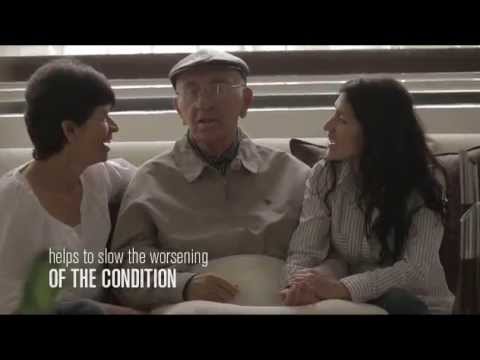
The insight is sharp and powerful: the cruelty of Alzheimer's isn't just memory loss; it's the loss of autonomy and the constant fear that imprisons both the patient and their caregivers. The ad doesn't open on the technology. It opens on the pain. The first 35 seconds build a world of quiet desperation, using the daughter's testimonial to articulate the family's reality. Phrases like 'His hard drive has failed' and 'voluntary seclusion' are devastatingly effective, establishing high emotional stakes. This transforms the audience from passive viewers into empathetic stakeholders.
The execution follows a classic Problem-Solution-Proof structure. After establishing the problem, the film pivots at the 35-second mark with the line, 'we created a way TO FREE THEM,' introducing the app as a liberator. The 'Proof' section is handled with a smart blend of expertise and simplicity. A doctor explains the 'why' (panic attacks precede wandering), and an engineer explains the 'how' (a heart monitor triggers a GPS alert). This section is crucial; it grounds the emotional promise in credible, logical technology, making the solution feel both innovative and trustworthy. The interface mockups are clean and instantly understandable. The final act delivers the emotional payoff. We see the system work, the family is reunited, and the daughter expresses her relief. The tagline, 'The heart can achieve what the mind can't,' is a clever, poetic link between the technology (a heart-rate monitor) and the emotional benefit (love and security). The final call-to-action, emphasizing that the app is free and open-source, elevates the campaign from a product promotion to a genuine social contribution.
The debrief for any team watching this is clear: when you have a complex technological product, lead with the human problem it solves. Earn the audience's emotional investment before you explain the mechanics. This ad works because it understands that people don't download apps; they download hope, reassurance, and in this case, a little bit of freedom. [2, 3]
Theme Keywords
Brand Position
The compassionate innovator providing simple, accessible technology to restore dignity and freedom to families affected by Alzheimer's.
Brand Archetype
The Caregiver
Creative Game Plan
Demonstrate how a simple piece of technology can restore freedom and peace of mind to families imprisoned by the fear of Alzheimer's.
Diagnosis: Issues & Solutions
Primary Issue: Emotional Connection
The Problem:
The mid-section's shift to technical explanations from a doctor and an engineer, while vital for credibility, risks creating a pacing lull that could lose a less-invested mainstream audience accustomed to purely narrative ads.
The Solution:
For broader reach on platforms like TV or social media, create a shorter, 60-second cut that focuses exclusively on the family's emotional journey—from the 'prison' of the home to the relief of being reconnected—and drives viewers to a website for the detailed technical breakdown.
Additional Notes
Credits
Share this Analysis
More RememberMe ad breakdowns
- My Airtel App | One App for all AppsAirtel
- Pharmadepot APP - Chat (Eng Subtitle)Pharmadepot
- WINE ON FILM ENGWineOn App
- TransParking - Find Your PlaceTransParking
- Crocodile head dunk challengeGrinta
- HANDSAWAYHandsAway
- Smartphone Addicts' MeetingWöbu
- Be free to pee with Harpic Loocator App I Hindi I 60 secHarpic