Skip the Line! Pay Your Electricity Bill Online with Paytm | By Paytm | Paytm Karo - Ad Analysis

AI Editor notes
Straight from the gut!!
“This is solid, meat-and-potatoes advertising. It's not flashy, but it works. The insight is universal in the Indian context. I do wonder, though, is the 'be the Paytm in someone's life' tagline a bit of a stretch? It's trying to elevate a simple transaction into a profound act of help. It lands okay here, but it feels like a line that could get cheesy real fast if not handled carefully.”
Quick Summary
This ad effectively uses a simple, relatable problem—the misery of paying bills in person—to position Paytm not just as a tool for convenience, but as an act of empowerment. By having the bill collector himself show the customer how to bypass the line, the ad cleverly frames Paytm as the obvious, modern solution that makes old, frustrating systems obsolete.
Executive Summary
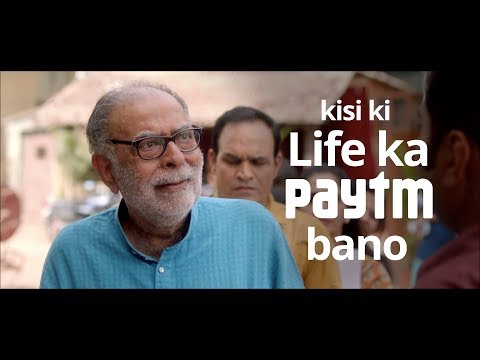
Paytm’s ‘Skip the Line’ spot is a textbook example of effective problem-solution advertising, tailored perfectly to the Indian market. It was part of a broader campaign, 'Kisi ki Life ka Paytm bano,' which aimed to move Paytm from a mere utility to a cultural enabler. This specific execution zeroes in on a single, universally understood pain point: the time-wasting, soul-crushing experience of queueing to pay utility bills.
The Core Insight here is simple but potent: The biggest barrier to adopting a new technology isn’t ignorance of its existence, but the inertia of old habits. People know digital payments exist, but they often stick to what they know, however inefficient. The ad intuits that seeing a tangible, immediate escape from a moment of peak frustration is a powerful motivator for change.
The Execution follows a classic Problem-Solution structure. It spends the first 11 seconds establishing the 'Problem' – a long, slow-moving line filled with weary faces. The dialogue from the protagonist, an elderly man, clearly states the stakes: 'It's the last day for the bill... the power will be cut tomorrow.' This builds relatable tension. The 'Solution' is introduced through a clever twist: the bill payment cashier himself steps out to help. This is a smart choice, as it positions Paytm not as an antagonist to the old system, but as a logical evolution that even insiders endorse. He asks the simple question, 'Then why are you in line?', highlighting the absurdity of the old way. The 'Proof' is the quick, clean UI shot of the bill being paid on the phone, followed by the elderly man's visible relief. This closes the loop, demonstrating the product's ease and immediate benefit.
The Debrief for the team is that clarity and relatability can be more powerful than complex creative concepts, especially when the goal is to drive adoption of a specific feature. The ad doesn’t try to be funny or overly emotional; it focuses on being useful. The choice to cast an older man as the protagonist is also strategic, as it implicitly communicates that the technology is easy enough for anyone, even those perceived as less tech-savvy, to use. The campaign's tagline, 'Become the Paytm of someone's life,' effectively frames the act of using the app—or helping someone else use it—as a small act of kindness, adding a layer of positive social currency to a simple transaction.
Theme Keywords
Brand Position
The simplest, most helpful way to manage life's essential payments.
Brand Archetype
The Everyman / Helper
Creative Game Plan
Demonstrate how Paytm solves a deeply familiar and frustrating everyday problem with delightful simplicity.
Diagnosis: Issues & Solutions
Primary Issue: Emotional Connection
The Problem:
The campaign tagline, 'Kisi ki Life ka Paytm bano' (Become the Paytm of someone's life), aims for a deep emotional payoff but the execution in this specific ad feels more transactional than transformational. The moment is about self-help and personal convenience, not necessarily a profound act of helping another.
The Solution:
To better support the 'be a helper' tagline, future ads in this series should have focused more on one person helping another who is struggling, rather than a person solving their own problem with a prompt from someone else. The cricket-themed ad from the same campaign did this better.
Secondary Issue: Strategic Sense
The Problem:
The ad presents the solution as a novel discovery for the protagonist. By 2019, while cash was still prevalent, Paytm was a household name, especially post-demonetization. The 'aha!' moment might have felt slightly behind the times for a significant portion of the urban and semi-urban audience.
The Solution:
A more nuanced strategic approach could have focused not just on 'if' you should use Paytm, but 'why' it's superior for this specific task compared to other digital competitors (e.g., highlighting cashbacks, bill reminders, or security features) to capture a more mature digital user base.
Additional Notes
Credits
Share this Analysis
More Paytm ad breakdowns
- How to Add Money to your Paytm Account? [Hindi]Paytm
- Paytm IPL 2021 Ad - The Salon (English)Paytm
- Achaar Paytm karna possible?Paytm
- Book 'Shubh Mangal Zyada Saavdhan' ticketsPaytm
- Book #Baaghi3 tickets on PaytmPaytm
- Household Bill Payments on PaytmPaytm
- Paytm IPL 2021 Ad - The Ice-cream (English)Paytm
- Paytm IPL 2021 Ad - The Tailor (English)Paytm