Achaar Paytm karna possible? - Ad Analysis

AI Editor notes
Straight from the gut!!
“It's a solid, charming ad. The 'achaar' (pickle) concept is a home run for the Indian market; it's instantly relatable. The pivot from the funny, magical-realism bit to the functional demo is a little abrupt, but it gets the job done. It feels safe and very on-brand for their 'Paytm Karo' series, which focuses on everyday use cases. It's not groundbreaking, but it's effective work.”
Quick Summary
This ad cleverly uses a deeply relatable Indian cultural insight—a mother's love expressed through homemade pickles—to create a memorable and humorous hook. It contrasts the impossible (digitally sending a physical object) with the simple, practical reality of what Paytm enables: sending money to a loved one, positioning the app as a facilitator of care and connection.
Executive Summary
Paytm’s “Achaar” ad is a textbook example of how to ground a technology product in a simple, human truth. The campaign operates on a smart insight: while technology can’t replicate the most profound emotional connections (like a mother’s cooking), it can facilitate the practical acts of love and support that sustain them. It’s a message that resonates deeply in a country where family ties, food, and distance are common themes in daily life.
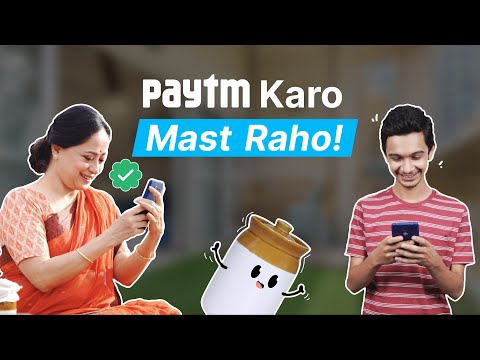
The execution follows a classic Problem-Solution framework, but with a creative twist. The 'problem' isn't a real problem, but a relatable feeling: a son away at college missing his mom's homemade pickles ('achaar'). This grounds the ad in a warm, familiar emotion. The first half of the ad is dedicated to building this emotional connection. The 'Turn' is the ad's cleverest moment. Instead of a straightforward solution, it presents a whimsical, impossible one: the mother literally tries to 'Paytm' the physical jar of pickles. This visual gag serves as the central hook, making the brand name synonymous with the act of sending something instantly. It’s a playful way to leverage the fact that 'Paytm' has become a verb in India. The ad then smartly pivots, with the narrator clarifying that while sending pickles isn't possible, sending money is. This transition from a metaphorical, humorous narrative to a direct product demonstration is what makes the ad work. The 'Payoff' is a clean, no-nonsense split-screen demo showing the UPI transfer process. It's simple, quick, and directly addresses the initial emotional setup—the money is a proxy for the pickle, a tangible form of care. The choice of ₹501 is also a culturally intelligent detail, as it's a traditional amount for gifting in India, adding another layer of authenticity.
The debrief for this campaign would likely highlight its efficiency. In just 30 seconds, it tells an emotional story, lands a memorable creative hook, clearly demonstrates a key feature, and delivers a call to action. It effectively targets a multi-generational audience by showing both the sender (the mother, who might be perceived as less tech-savvy) and the receiver (the digital-native son) finding the process effortless. While it may not break new creative ground in a competitive fintech market filled with emotional storytelling, its strength lies in its flawless execution of a proven formula, wrapped in a culturally potent insight.
Theme Keywords
Brand Position
The simplest, most intuitive way to handle everyday financial transactions in India.
Brand Archetype
The Everyman
Creative Game Plan
Juxtapose the impossibility of digitally sending a physical token of love with the simple possibility of sending money via Paytm, framing the app as the next best thing.
Diagnosis: Issues & Solutions
Primary Issue: Strategic Sense
The Problem:
The ad does an excellent job of building an emotional connection but doesn't offer a compelling reason to choose Paytm over its main competitors, PhonePe and Google Pay, who use very similar emotional and functional strategies. The core message of 'easy money transfer' is a category-level benefit, not a unique brand differentiator.
The Solution:
Lean into a more specific brand promise. The YouTube description mentions 'triple-layer security.' A brief visual or audio cue reinforcing this trust element during the transaction demo could begin to build a more distinct strategic position around safety, which is a key concern for many users, especially older demographics.
Secondary Issue: Emotional Connection
The Problem:
The transition from the charming, emotional story to the sterile, functional product demo is quite abrupt. The warmth of the mother-son interaction is completely dropped in the final 15 seconds, which are dedicated to UI graphics and a narrator.
The Solution:
Integrate the emotional narrative into the payoff. For example, after the son receives the money, he could be shown smiling at a message from his mom that says, 'Buy yourself something nice to eat.' This would close the emotional loop and make the transaction feel less like a feature and more like a facilitator of their relationship.
Additional Notes
Credits
Share this Analysis
More Paytm ad breakdowns
- How to Add Money to your Paytm Account? [Hindi]Paytm
- Paytm IPL 2021 Ad - The Salon (English)Paytm
- Book 'Shubh Mangal Zyada Saavdhan' ticketsPaytm
- Book #Baaghi3 tickets on PaytmPaytm
- Household Bill Payments on PaytmPaytm
- Paytm IPL 2021 Ad - The Ice-cream (English)Paytm
- Paytm IPL 2021 Ad - The Tailor (English)Paytm
- Thedhi onnu aachu, indha pasangalukku enna surprise kaathirukko? 😲Paytm