Sindhutai | From being homeless, to a mother to the homeless - Hindi - Ad Analysis
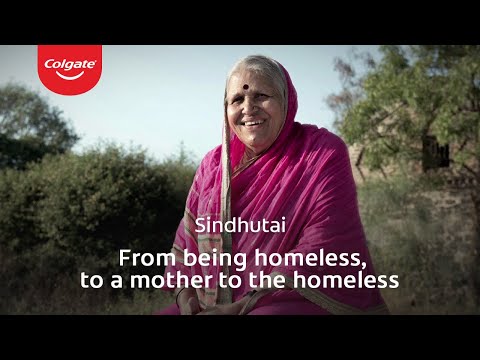

AI Editor notes
Straight from the gut!!
“This is a classic 'brand purpose' play, and it's very well executed because they feature the actual person, which gives it authenticity. But the connection feels a bit forced. Does a story of immense hardship—being abandoned and living on the streets—genuinely connect back to toothpaste? It's a strategic leap. The brand feels tacked on at the end of a powerful short film. It’s moving, but the brand linkage is tenuous at best.”
Quick Summary
Colgate effectively borrows the profound emotional weight of a real-life hero's story to inject its brand platform, 'Smile and Get Started,' with deep meaning. The ad transforms the tagline from a simple corporate platitude into a powerful philosophy of resilience, associating the brand with hope and optimism.
Executive Summary
This film from Colgate is a prime example of 'purpose-driven marketing,' where a brand steps back from product-centric messaging to align itself with a broader, more profound human value. Here, Colgate attempts to own the idea of optimism. The strategy hinges on finding a real-life story so powerful it can infuse the brand's tagline, 'Smile Karo Aur Shuru Ho Jao' (Smile and Get Started), with genuine emotional weight.
The Core Insight: The central human truth this ad leverages is that resilience is not the absence of suffering, but the ability to transform personal pain into a source of hope for others. It re-frames the act of smiling not as a sign of happiness, but as an initial act of courage and the starting point for a new beginning.
The Execution: The ad follows a classic documentary-style narrative that can be viewed through the lens of a Setup-Turn-Payoff structure.
- The Setup (0:00-0:30): The first thirty seconds are dedicated to establishing the immense hardship of Sindhutai Sapkal's life. The opening line, 'If my own mother would have showered me with love, I wouldn’t have understood the value of a mother,' is a brilliant, paradoxical hook. The somber visuals and her direct, unadorned narration of being abandoned by her husband and parents create a deep sense of empathy and despair.
- The Turn (0:31-0:44): The pivot is subtle but powerful. It comes with the line, 'My life wasn’t easy, but there are many more whose life was tougher than mine.' This is the moment her personal tragedy transforms into a universal mission. Her focus shifts from her own pain to the pain of others, and she resolves to 'give the love that I never got.' The music begins to lift, and the visuals soften.
- The Payoff (0:45-1:26): The final section is the emotional reward. We see the direct result of her decision: dozens of happy, thriving children. The narrative builds to a crescendo of success—the children are becoming doctors and teachers, and one even wrote a PhD thesis on her life. This validates her philosophy. Only at the very end does Colgate connect this entire journey back to its brand, positing that 'Sindhutai's journey started with a smile' before delivering its tagline.
The Debrief: The creative team should recognize the immense power of authenticity. Using the real Sindhutai Sapkal gives the film an integrity that no actor could replicate. However, the key learning is also a caution: when a human story is this compelling, the brand risks becoming an afterthought. The 'smile' feels like a slightly contrived bridge to connect the brand to the story. While effective, the strategy is dependent on finding these one-in-a-million stories that perfectly align with the tagline. The brand's role is that of a storyteller, not a participant, which can limit the depth of the connection.
Theme Keywords
Brand Position
The brand of optimism and new beginnings.
Brand Archetype
The Caregiver
Creative Game Plan
Associate Colgate with the ultimate story of human resilience to give our 'Smile and Get Started' tagline profound emotional depth.
Diagnosis: Issues & Solutions
Primary Issue: Strategic Sense
The Problem:
The brand's connection to the narrative is fragile. The story of Sindhutai is so overwhelmingly powerful that it completely eclipses the brand. Viewers will remember her incredible journey, but Colgate's role feels opportunistic and tacked on at the end. The link via the word 'smile' is tenuous.
The Solution:
To make the brand an active participant instead of a passive narrator, the campaign could have shown how Colgate's 'Keep India Smiling' foundation is tangibly supporting Sindhutai's orphanages or similar initiatives. This would change the message from 'We found an inspiring story' to 'We are helping create these inspiring stories.'
Secondary Issue: Clarity of "What's Next?"
The Problem:
The call-to-action—'Visit us at www.colgate.com/keepindiasmiling'—is a dead end for the powerful emotion the ad generates. It's a passive, generic request that doesn't give the inspired viewer a meaningful action to take.
The Solution:
The CTA should have channeled the emotion into action. A more effective approach would be: 'Learn more about Sindhutai's work and how you can help at...' or 'Inspired? Share your story of starting with a smile using #SmileKaro'. This gives the audience a clear next step that honors the spirit of the film.
Additional Notes
Related Links
Credits
Share this Analysis
More Colgate ad breakdowns
- Colgate Total prevents dental problems before they start | English | 20 secColgate
- Colgate Active Salt | Theater | HindiColgate
- Colgate Toothpaste for Diabetics, created with Diabetes Experts | EnglishColgate
- Colgate Swarna Vedshakti. The perfect sangam.(Hin)Colgate
- Kiran Kanojia - India’s first female Blade Runner | HindiColgate
- Colgate Strong Teeth - Andar se strong - Deepika Padukone (6+30s)Colgate
- New Colgate Visible White O2, a teeth whitening revolution, that whitens teeth in just 3 days*Colgate
- Upgrade to a healthier mouth with the new Colgate Total (Hindi)Colgate