SEGA - "RISE OF NIGHTMARES" - BEHIND THE SCENES - HUB TV - Ad Analysis

AI Editor notes
Straight from the gut!!
“Finally, game advertising that doesn't just feel like a checklist of explosions. This is genuinely funny and respects the audience. The 'dead spokesperson' is a solid comedic premise, making it feel more like a sketch from a comedy show than an ad. It's a smart way to get people to actually watch, and remember, a promotion for a new game.”
Quick Summary
By packaging a game promotion as a disastrous 'behind-the-scenes' mockumentary, Sega created a shareable piece of entertainment that cleverly bypasses traditional ad-avoidance. The campaign builds an edgy, self-aware personality for a new video game, using humor to generate buzz instead of relying solely on gameplay footage.
Executive Summary
This campaign for Sega's 'Rise of Nightmares' is a solid example of creating entertainment as the advertisement. It sidesteps the hard sell, opting instead for a mockumentary format that was perfectly tuned to the cultural sensibilities of its early 2010s target audience. The core insight is that gamers, particularly those drawn to M-rated horror, are often cynical about traditional marketing but are highly receptive to dark humor and content that feels authentic and shareable.
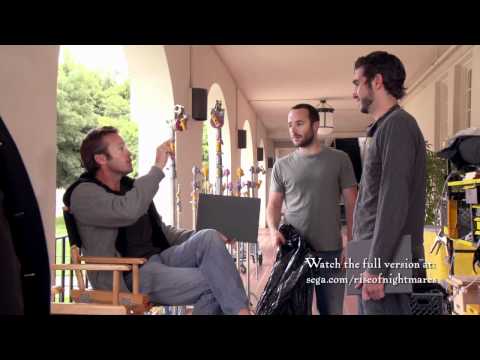
The execution follows a classic comedic structure within its 'Behind-the-Scenes' framework. It begins by establishing a familiar scenario—a film set—and immediately introduces the central conflict: the director, DJ O'Neil, must manage the absurd demands of his 'dead spokesperson'. [4] The humor is generated by grounding the fantastical (a working zombie) in the mundane (contractual riders and on-set tantrums). The zombie's rider, which includes '45 pounds of hot dogs' and a 'ripe, dead, black cat,' is a brilliant comedic device that establishes his diva personality. [2] The conflict escalates when the zombie storms off, threatening the entire production. The resolution is just as absurd as the setup: a PA finds a dead raccoon on the road, which the director astutely notes 'trumps a dead cat every time,' placating his star. [2] This narrative arc makes the 2.5-minute runtime feel earned, keeping the viewer engaged until the final payoff, which is the reveal of the actual product. The ad only pivots to being an ad in its closing seconds, showing the game's title and packshot after it has already won the audience over with humor. [2]
The key lesson from this work is the power of a strong creative concept to generate earned media and engagement. Instead of just showing gameplay, Hub Strategy created a story around the game's persona. This approach builds brand affinity and makes the advertising itself a desirable piece of content. It demonstrates that when you can't out-spend the competition, you can out-think them by creating something people genuinely want to watch and share.
Theme Keywords
Brand Position
'Rise of Nightmares' is the first truly mature and visceral survival horror experience for the Kinect, offering an unprecedented level of immersive, controller-free carnage.
Brand Archetype
The Jester/Outlaw. The marketing uses meta-humor to poke fun at advertising tropes (Jester) while promoting a gory, rule-breaking game for a mature audience (Outlaw). Its personality is Irreverent, Gory, and Self-aware.
Creative Game Plan
Generate viral buzz for a new horror game by creating a funny mockumentary about the absurd, diva-like demands of the industry's first 'dead spokesperson.'
Diagnosis: Issues & Solutions
Primary Issue: Strategic Sense
The Problem:
The ad does an excellent job selling the game's tone but completely ignores its key differentiator: the Kinect motion controls. The 'dead spokesperson' concept has no inherent link to the unique selling proposition of a controller-free horror experience.
The Solution:
Incorporate a scene where the zombie actor is 'practicing his motivation' by physically acting out the game's Kinect motions—swinging his arms like he's wielding a weapon or pushing forward to shove enemies—to subtly demonstrate the unique gameplay mechanic.
Secondary Issue: Clarity of "What's Next?"
The Problem:
The call-to-action is a generic end-card that feels tacked on after a highly creative and memorable video. The energy drops from a unique comedic sketch to a standard product slate.
The Solution:
The CTA should have been delivered in character. End the video with the zombie spokesperson breaking the fourth wall, looking directly at the viewer, and growling the call-to-action (e.g., 'Pre-order at GameStop... or you're breakfast.') to make the final ask as memorable as the ad itself.
Additional Notes
Related Links
Credits
Share this Analysis
More Sega ad breakdowns
- Play Closer with EA Sports FC 24 | PS5 GamesEA Sports
- NBA 2K19 — A Boy With A Name (Feat. Giannis Antetokounmpo)NBA 2K
- NBA 2K19 - How Could They Have Known? (Feat. 2 Chainz, Rapsody and Jerreau)NBA 2K
- Official Call of Duty: Ghosts Collector's Edition Trailer - "Breach"Call of Duty
- God of War: Ascension "From Ashes" Super Bowl 2013 Commercial - Full VersionPlayStation
- MY BIGGEST UNBOXING EVER!!! LEGO Speed Champions McLaren build and LEGO Forza Horizon 4Xbox
- Save Me ft. Deckard CainDiablo
- Call of Duty: Black Ops Rezurrection - Zombie Lab Phase 2Call of Duty