Call of Duty: Black Ops Rezurrection - Zombie Lab Phase 2 - Ad Analysis

AI Editor notes
Straight from the gut!!
“This is a great example of golden-era video game marketing. It's confident, weird, and perfectly in tune with its audience. The whole 'Zombie Lab' concept is just fun—a clever, gory parody of corporate R&D that knows the fans love the lore. It doesn't take itself too seriously and focuses on delivering a cool story to sell a product. This is how you get people genuinely excited for a map pack.”
Quick Summary
This ad succeeds by making a digital product feel tangible. The live-action 'Zombie Lab' framing device humorously grounds the game's absurd new features—like low-gravity zombies on the moon—in a mock-serious reality. This narrative wrapper makes the gameplay feel more inventive and gives fans a piece of story to latch onto, elevating a simple feature announcement into a memorable piece of entertainment.
Executive Summary
The 'Zombie Lab' trailer for Call of Duty: Black Ops Rezurrection is a strong piece of marketing because it understands a fundamental truth about its audience: gamers, especially dedicated fans, crave lore as much as they crave content. The ad's core insight is that justifying why a new feature exists is more powerful than simply announcing that it does. Instead of just showing zombies on the moon, the campaign constructed a narrative universe around it, making the product feel less like a simple update and more like a story progression.
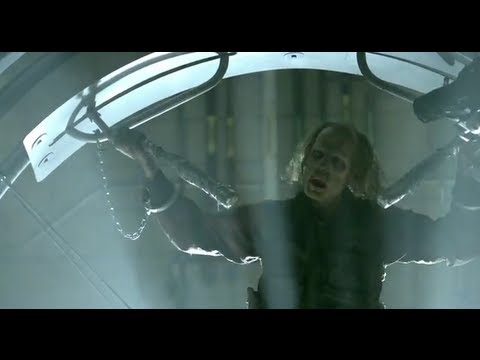
The execution follows a classic Setup-Turn-Payoff structure. The setup establishes the mock-serious premise of the 'Call of Duty Zombie Labs,' complete with a sterile environment and a deadpan corporate voiceover. This clinical framing creates a humorous contrast for what's to come. The turn happens when the grotesque 'research' begins. The zombie experiments are not just random gore; they are a direct, narrative explanation for the DLC's new gameplay mechanics. When a zombie is tested in a gyroscope, it's to find out 'how they hold up under extreme G-force.' This live-action sequence serves as the perfect bridge to the payoff: the transition to in-game footage. When the audience sees players fighting zombies in low gravity, it doesn't feel like a random gimmick. It feels like the direct result of the 'research' they just witnessed. The live-action segment provided a crucial narrative wrapper that made the subsequent product demo more meaningful and entertaining.
The key lesson from this ad is the power of synergy between narrative and product demonstration. By creating a live-action prequel to the gameplay, the creative team gave the digital features a tangible backstory. This approach respects the audience's intelligence and their investment in the game's world, transforming a standard announcement into a piece of fan-service entertainment that not only informs but also deepens the brand's universe. It’s a solid strategy for selling virtual goods.
Theme Keywords
Brand Position
The most inventive, story-rich, and humorously gruesome cooperative shooter experience in gaming.
Brand Archetype
Jester
Creative Game Plan
We will justify the game's wild new mechanics by creating a fictional corporate laboratory that is 'researching' them on live-action zombies.
Diagnosis: Issues & Solutions
Primary Issue: Emotional Connection
The Problem:
The ad leans entirely on shock and humor, making it highly entertaining but emotionally shallow. The scientists are forgettable, anonymous figures, which prevents the audience from forming any kind of recurring character attachment that could be leveraged across future campaigns.
The Solution:
Introduce a recurring, charismatic 'lead scientist' character. By giving this character a distinct personality—whether arrogant, cowardly, or overly enthusiastic—they could become a human anchor for the 'Zombie Labs' concept, building a stronger narrative thread and a more memorable brand personality over time.
Secondary Issue: Strategic Sense
The Problem:
The specific video file was uploaded to the official channel months after the product's launch date. While the campaign itself ran on time in 2011, this archival upload misses the window of peak relevance and represents a tactical fumble in the brand's content library management, diluting its historical impact for viewers discovering it later.
The Solution:
Implement a strict content calendar that aligns all promotional asset releases with the product launch timeline. Key trailers should be published and highlighted across all official channels in the weeks *before* release, not archived months later, ensuring maximum momentum and discoverability during the crucial purchase window.
Additional Notes
Related Links
Credits
Share this Analysis
More Call of Duty ad breakdowns
- The Haunting - Smile 2 Bundle | Call of Duty: Warzone & Modern Warfare IIICall of Duty
- Call of Duty: Black Ops 6 - The Replacer ReturnsCall of Duty
- Holiday Festivities Trailer | Call of Duty: Warzone & Black Ops 6Call of Duty
- Call of Duty: Ghosts Masked Warriors Teaser TrailerCall of Duty
- Call of Duty Time - Faboom [UK]Call of Duty
- Official Reveal Trailer | Call of Duty: Modern WarfareCall of Duty
- Official Call of Duty: Ghosts Collector's Edition Trailer - "Breach"Call of Duty
- Official Call of Duty®: Black Ops III "Ember" TeaseCall of Duty