Russian Black Hole experiment - Ad Analysis

AI Editor notes
Straight from the gut!!
“This is a textbook example of early YouTube-era viral genius. The whole 'Is it real?' vibe, the low-fi production, the Russian scientist trope—it's perfectly calibrated for its time. They bury the brand until the very end, making the payoff funnier. The strategy is clear: create something so weird people have to share it. For a brand like Pot Noodle, which never took itself too seriously, this bizarre, slightly unhinged approach works perfectly.”
Quick Summary
This ad's success hinges on a single, brilliantly executed metaphor: Pot Noodle is so intensely filling that it can satisfy the most insatiable hunger in the universe—a black hole. By wrapping this simple product benefit in a shareable, pseudo-authentic 'Russian experiment' video, the campaign created a classic piece of early viral marketing that was memorable precisely because it didn't look like a traditional ad until the final punchline.
Executive Summary
This campaign is a time capsule from the golden age of viral marketing, when the primary currency was 'Did you see that crazy video?'. Created for Unilever's Pot Noodle by agency Mother London, the 'Russian Black Hole' ad operates on a simple, powerful creative insight: the feeling of being ravenously hungry is like having a black hole in your stomach. The ad then executes this insight with pitch-perfect, low-fidelity charm.
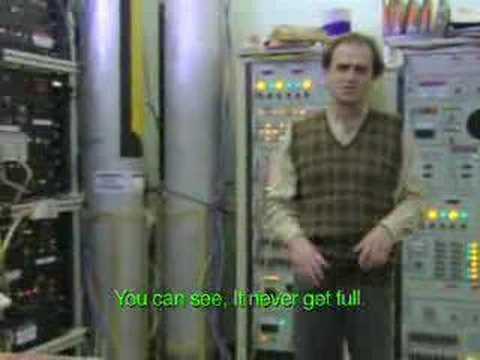
The creative structure follows a classic Setup-Turn-Payoff model. The Setup establishes the absurd premise: a stern Russian scientist has created a miniature black hole, 'the hungriest materia known to mankind,' which he demonstrates by feeding it increasingly ridiculous items like a chair and a rifle. The grainy, subtitled footage and dated lab equipment brilliantly mimic the 'found footage' genre that was popular on YouTube in 2008, lending it an air of bizarre authenticity that encourages viewers to question what they're seeing. This slow, deadpan build-up is crucial for the joke to land.
The Turn occurs at 0:41 when the scientist, still hungry himself, is handed a cup of noodles. The brand is disguised as 'Hot Tub,' a clever misdirect that keeps the viewer engaged in the narrative without being pulled out by a blatant product placement. The scientist takes one bite, and the problem of his own hunger is solved instantly. This small moment pivots the story from the black hole's hunger to the scientist's.
The Payoff is the comedic explosion. The scientist, satisfied, casually tosses the rest of the noodles into the experimental zone. The black hole, unable to handle the supreme filling power of the Pot Noodle, effectively chokes and spits everything back out. The reveal isn't just that the product is filling; it's so filling it defies the laws of physics. The scientist's subsequent tantrum, screaming about being sent to Siberia, provides the final, hilarious release of tension. The end card, with its cryptic URL 'hottubstopshunger.com,' completed the viral loop, driving curious viewers to a branded destination.
The debrief for the team would be clear: when your product benefit is simple (it fills you up), dramatizing it in the most extreme, unexpected way possible can be far more effective than just saying it. By disguising the ad as entertainment, Pot Noodle earned the viewer's attention and, ultimately, their admiration for the cleverness of the execution.
Theme Keywords
Brand Position
The ultimate, no-fuss solution to extreme hunger.
Brand Archetype
Jester: Irreverent, playful, and doesn't take itself seriously, using humor to connect with its audience.
Creative Game Plan
Dramatize the product's core benefit of 'filling you up' by creating an absurd, shareable narrative where it solves the most extreme hunger imaginable.
Diagnosis: Issues & Solutions
Primary Issue: Strategic Sense
The Problem:
The biggest risk in the strategy is the delayed brand reveal. By hiding the Pot Noodle brand until the viewer visits the campaign microsite, the ad runs the risk that a significant portion of the audience enjoys the joke but never connects it back to the product, especially if they don't follow the URL.
The Solution:
While ruining the joke with an early logo would be a mistake, a more subtle branding element could have been integrated. For example, the noodle pot could have had the distinctive shape and color of a real Pot Noodle, even with the fake 'Hot Tub' label, creating a subconscious link for existing customers.
Secondary Issue: Clarity of "What's Next?"
The Problem:
The call-to-action, a URL to a temporary microsite, is ephemeral. Once the campaign is over and the site is taken down (which it has been), the ad loses its final brand-linking component, existing as a funny but partially orphaned piece of content.
The Solution:
In a modern context, the call-to-action would direct to a permanent social channel or use a hashtag. For this campaign, the final frame could have included a quick flash of the Pot Noodle logo after the URL to ensure the brand message landed, even for viewers who didn't click through.
Additional Notes
Related Links
Credits
Share this Analysis
More Pot Noodle ad breakdowns
- Pot Noodle: The RingPot Noodle
- A Pot Noeldle Christmas - by Pot NoodlePot Noodle
- Pot Noodle "WAG"Pot Noodle
- Tipping Pot (Guinness Spoof)Pot Noodle
- Rollton on Fire. EnglishRollton
- BTS Jin’s Jinjja Love StoryJin Ramen
- BigBon! Tastes better than waiting for delivery!BigBon
- How to cook BigBon Tien Shan RAMEN?BigBon