Progressive Not Expensive: Your search for affordable Progressive Glasses ends here! - Ad Analysis

AI Editor notes
Straight from the gut!!
“This is solid, no-nonsense retail advertising. It identifies a clear customer pain point—'progressives are expensive and make me feel old'—and solves it with a credible celebrity and a sharp price offer. It's not aiming for creative awards, but it's built to sell glasses to its target Gen X audience. The dynamic between Menon and Tacker is a bit vague—is he a son, a friend?—but the core message is crystal clear.”
Quick Summary
This ad effectively repositions progressive lenses from an expensive, 'old-age' medical device into an affordable, stylish accessory. It uses a relatable celebrity to tackle the core customer anxieties—price and the stigma of aging—directly and efficiently.
Executive Summary
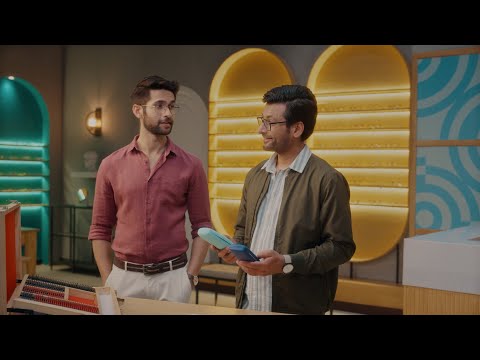
Lenskart’s “Progressive Not Expensive” campaign is a textbook example of effective problem-solution advertising. It zeroes in on a very specific customer segment—the middle-aged individual facing the unwelcome reality of needing multifocal lenses—and addresses their two biggest fears with surgical precision: the fear of looking old and the fear of high costs. The ad wastes no time, establishing the core conflict within the first six seconds. When actor Kay Kay Menon equates “bifocal” with “uncle,” he voices a potent cultural insight. For the target demographic, needing bifocals isn't just a vision problem; it's a social signal of aging they wish to avoid. The ad immediately presents the modern alternative—progressive lenses—but just as quickly, Menon voices the second major barrier: “Progressive matlab expensive.” This is the crux of the campaign. The execution unfolds as a direct refutation of these two points. Karan Tacker introduces stylish frames that make Menon look “smarter,” directly countering the “uncle” stereotype. The Lenskart employee then systematically dismantles the price objection, first with a confident “Not at Lenskart,” and then with a clear, compelling offer: “2 for ₹4000.” [7] This isn't just a claim; it’s tangible proof that destroys the customer's preconceived notion. The use of on-screen graphics highlighting “Precision Engineered” and “Error-Free Lenses” adds a layer of technical reassurance, building trust in the product's quality. By the end of the 35-second spot, the customer's journey from anxiety to relief is complete. He entered the store worried about his age and his wallet and leaves feeling smart, stylish, and financially savvy. The final tagline, “Progressive. Not Expensive,” isn’t just a slogan; it’s the summary of the entire problem-solution narrative the viewer just witnessed. The debrief for the team that made this is simple: when you have a strong, clear customer insight, you don't need creative fluff. Direct, benefit-driven communication that respects the customer's intelligence and anxieties is a powerful tool for driving action. This ad understands its job is not to win awards, but to sell progressive lenses by making people feel good about buying them.
Theme Keywords
Brand Position
The destination for stylish, technologically advanced eyewear that is accessible to everyone.
Brand Archetype
The Sage (providing expertise and demystifying eyewear) with shades of the Everyman (making it affordable and approachable).
Creative Game Plan
Systematically dismantle the two main barriers—style and cost—to purchasing progressive lenses.
Diagnosis: Issues & Solutions
Primary Issue: Emotional Connection
The Problem:
The ad successfully resolves the customer's practical problems but misses an opportunity to fully dramatize the emotional reward. The 'after' state is one of simple satisfaction, but it could have been one of renewed confidence.
The Solution:
Show, don't just tell, the benefit. Add a brief final scene where Menon is out in the world, effortlessly reading a text message and then looking up to laugh with friends, a seamless transition he couldn't do before. Make the feeling of restored youthfulness the emotional payoff.
Secondary Issue: Clarity of "What's Next?"
The Problem:
Presenting three distinct calls to action (download app, call, visit store) can slightly dilute the imperative by offering too many choices.
The Solution:
Focus the call to action on a single, primary channel that aligns with the business's core strategy. A more unified CTA like, 'Download the Lenskart app to book your free eye test today,' would create a clearer path for the consumer.
Additional Notes
Credits
Share this Analysis
More Lenskart ad breakdowns
- AIR FLEX WhiteLenskart
- The all-new Lenskart Air Float Pop CollectionLenskart
- Lenskart Air Flex | Ultralight, Super Flexible, Unbreakable Specs | #Shorts | #LenskartLenskart
- Lenskart Airflex | #FlexAppeal ft Kings United | Unbreakable SpecsLenskart
- Lenskart Airflex | Ultra-light, Super Flexible Glasses ft Alaya FLenskart
- No More Tired Eyes | Lenskart BLU Screen GlassesLenskart
- Peyush Bansal Talks About The Eyewear Innovation At Lenskart | #Shorts | #LenskartLenskart
- Try 1000+ Frames With AR Technology | Peyush Bansal & Karan Johar | LenskartLenskart