Philly Haters - Ad Analysis

AI Editor notes
Straight from the gut!!
“Smart. Really smart. They took a brand feature that could be a liability—a name tied to a polarizing city—and made it the central joke. It works because the fan hatred feels real and the bait-and-switch is so simple. This is a solid, no-frills execution that lands its one idea perfectly.”
Quick Summary
This ad cleverly weaponizes regional sports rivalries to solve a classic market-leader problem: the brand name becoming generic for the category. By forcing 'Philly haters' to admit they love 'Philadelphia,' the brand reclaims its name with humor and makes its core attribute—irresistible taste—the undeniable hero.
Executive Summary
This campaign from Philadelphia Cream Cheese is a sharp example of how a market leader can refresh its brand relevance by leaning into a unique characteristic—in this case, its own name. The ad doesn't invent a new reason to believe; instead, it finds a clever, culturally relevant way to remind the audience of a truth they already hold: the product is delicious.
The Core Insight: The simple human truth at the heart of this ad is that genuine, undeniable product satisfaction can override even the most passionate tribal loyalties. The hatred sports fans have for their rivals is deeply felt, but the pleasure of eating something truly delicious is a more powerful, primal instinct. The ad creates a humorous collision between these two truths.
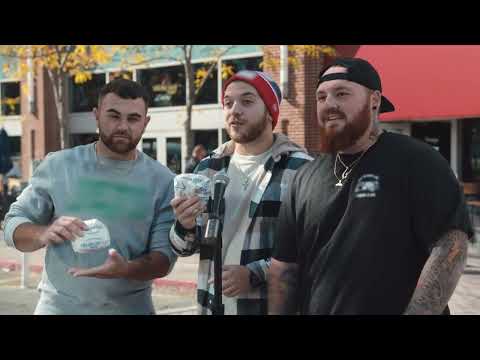
The Execution: The ad follows a classic Setup-Turn-Payoff structure. The Setup (0:00-0:17) is a rapid-fire montage of fans of teams like the New York Giants and Dallas Cowboys expressing their raw, bleeped-out hatred for the city of Philadelphia. This authentic animosity establishes a clear conflict and grabs viewer attention. The Turn (0:18-0:37) occurs when the subjects are given a bagel with cream cheese. Their tone immediately shifts from aggression to pure satisfaction. They praise the product—'creamy and delicious'—completely unaware of the irony. This is where the product becomes the hero, disarming the 'haters' and creating tension for the audience, who can see the punchline coming. The Payoff (0:38-1:08) is the reveal. The interviewer's playful question, 'So wait, you love Philly?', forces the participants to confront the contradiction. Their frantic backtracking—'No, no... I love Philadelphia Cream Cheese!'—is the comedic climax. The tagline 'Even Philly Haters Love Philadelphia' perfectly resolves the initial conflict, cementing the brand name and its superior taste in the viewer's mind.
The Debrief: The key takeaway for the brand team is the power of an ownable idea. Philadelphia didn't need a massive budget or a celebrity endorsement; it found a powerful creative engine in its own brand name. The campaign proves that identifying a point of friction (the potentially polarizing name 'Philadelphia') and turning it into the solution is a highly effective strategic move. The documentary-style execution and use of what appear to be real people make the final praise for the product feel earned and far more credible than a scripted testimonial.
Theme Keywords
Brand Position
The universally loved cream cheese whose superior taste transcends even the fiercest rivalries.
Brand Archetype
Everyman: The brand is positioned as a simple, unpretentious, and genuine pleasure that everyone can agree on.
Creative Game Plan
Prove Philadelphia Cream Cheese is so irresistibly good, it can make die-hard Philly haters admit they love 'Philadelphia'.
Diagnosis: Issues & Solutions
Primary Issue: Strategic Sense
The Problem:
The ad's humor is almost entirely dependent on an understanding of American NFL rivalries. For a global audience unfamiliar with the animosity between Dallas and Philadelphia football fans, the central premise loses its punch, making the ad less effective outside the North American market.
The Solution:
To scale this idea globally, the core concept must be re-skinned with locally relevant rivalries. The template of 'People who hate [City X] still love [Brand X]' is portable, but requires adapting the cultural context (e.g., Manchester vs. Liverpool football fans) to work.
Secondary Issue: Clarity of "What's Next?"
The Problem:
The ad creates a shareable, humorous moment but fails to provide any outlet for that energy. There's no hashtag, no call for user-generated content, and no prompt to continue the conversation, missing an opportunity to convert passive viewership into active engagement.
The Solution:
A simple end-card with a campaign-specific hashtag (e.g., #PhillyHatersLovePhilly) would encourage viewers to share their own stories or join the conversation, extending the ad's reach and impact on social platforms.