Philadelphia Sustainability – Fewer Traces Campaign – Main film - Ad Analysis

AI Editor notes
Straight from the gut!!
“This is a classic, safe corporate social responsibility play. It's warm, pleasant, and completely inoffensive. But does it feel authentic? Tying cream cheese to the fight against food waste feels like a bit of a strategic stretch. The message about reducing virgin plastic is actually the stronger claim, but it's rushed at the end. It's a nice ad, but it's not going to stick in my memory.”
Quick Summary
Philadelphia is positioning its cream cheese as a tool for sustainability, attempting to elevate the brand from a simple spread into a partner for resourceful families who want to reduce food waste. The core strategy is to align the consumer's small, everyday act of finishing their food with the company's larger corporate goal of reducing plastic waste, creating a shared sense of purpose.
Executive Summary
Philadelphia's 'Fewer Traces' campaign is a textbook example of a market leader using its platform to engage with the prevalent cultural conversation around sustainability. It's a soft-power move, designed not to win new customers with a hard product benefit, but to deepen the brand's bond with its existing user base by reflecting their values.
The core insight is a simple one: people derive quiet satisfaction from being resourceful and dislike waste. This isn't about solving world hunger; it's about the small, domestic guilt of throwing away a slightly wilted carrot or the end of a loaf of bread. The campaign taps into this feeling by celebrating these minor acts of thrift, elevating them into virtuous 'traces' of a meal well-enjoyed. Philadelphia positions itself as an enabler of this virtue—the simple, creamy addition that makes those leftovers desirable.
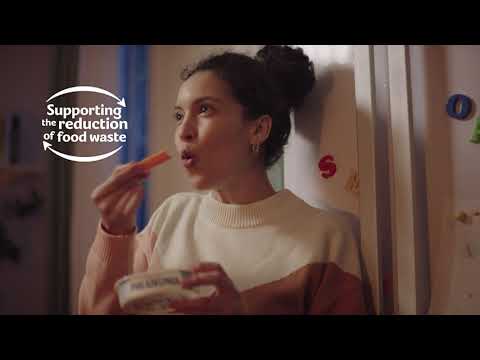
The execution follows a classic montage structure. It opens by establishing the theme—celebrating 'plate scrapers' and 'secret saviors' in a series of warm, relatable family vignettes. This AIDA-style approach grabs Attention with familiar scenes and builds Interest by framing them in a positive light. The Desire is meant to come when the brand is introduced as the solution to 'waste even less.' We see a woman turn a few lonely carrots into a satisfying snack with a tub of Philadelphia. The final Act is twofold: a call to visit the website and, more importantly, a pivot to the company's own sustainability promise—reducing 500 million virgin plastic tubs. [14] This connects the consumer's small action (finishing their food) to the brand's large action (reducing plastic), creating a sense of shared responsibility. [5]
The primary debrief for the team is that while the strategy is sound, the creative execution is too safe. The link between cream cheese and reducing food waste feels slightly tenuous and opportunistic. Any versatile food product could make a similar claim. The ad's strength lies in its warmth and production value, but its weakness is its lack of a truly distinctive or ownable idea. The most concrete and impressive claim—the reduction of half a billion plastic tubs—is relegated to a few seconds of on-screen text at the end. This feels like a missed opportunity to anchor the campaign in a more powerful and defensible brand action.
Theme Keywords
Brand Position
The simple, delicious way to be a little more resourceful every day.
Brand Archetype
The Caregiver: Nurturing, dependable, and helping families make better choices.
Creative Game Plan
Celebrate consumers' small, everyday efforts to reduce food waste and align them with Philadelphia's own corporate sustainability initiatives.
Diagnosis: Issues & Solutions
Primary Issue: Strategic Sense
The Problem:
The strategic link between cream cheese and the reduction of food waste is weak and not entirely credible. While it can be used on leftovers, it's not a primary tool for it, making the premise feel like a brand jumping on a trend rather than offering a genuine solution.
The Solution:
Strengthen the connection by focusing on a more specific and believable use case. Instead of a generic 'food waste' message, a campaign like 'Love Your Ends,' which they ran in the UK for bread crusts, is much more specific, ownable, and actionable. [13]
Secondary Issue: Emotional Connection
The Problem:
The ad creates a pleasant, warm feeling but lacks a single, powerful emotional moment that would make it memorable. The vignettes are charming but interchangeable and ultimately forgettable.
The Solution:
Focus on a single, more compelling story instead of a montage. Following one family's 'secret' food-saving tricks over time could build a stronger narrative and a more resonant emotional payoff, making the brand's role feel more integral.