Panda Express' Chinese New Year Collaboration with Artist Jing Wei - Ad Analysis
 Pixloop Studio
Make ads like this in Pixloop Studio.

Create motion design videos you can edit.
Want an ad like this for your brand?
Pixloop Studio writes the script and generates the video. Sign up free and get 50 credits. No card needed.

AI Editor notes
Straight from the gut!!
“This is a smart, soft-sell play. Instead of shouting, they're showing. Using a real, credible artist like Jing Wei to talk about her personal connection to the holiday and the brand is an effective way to borrow authenticity. The whole thing feels calm and respectful. My only question is whether it's *too* soft. It's a lovely piece about an artist, but the food feels secondary. Does it create an urgent craving for Panda Express, or just a warm feeling about the brand?”
Quick Summary
Panda Express uses an authentic artist collaboration to position itself not just as a food provider, but as a genuine participant in and facilitator of cultural celebration. By telling a real artist's story, the brand aims to deepen its cultural authenticity and broaden the appeal of Chinese New Year for a modern, multi-cultural American audience.
Executive Summary
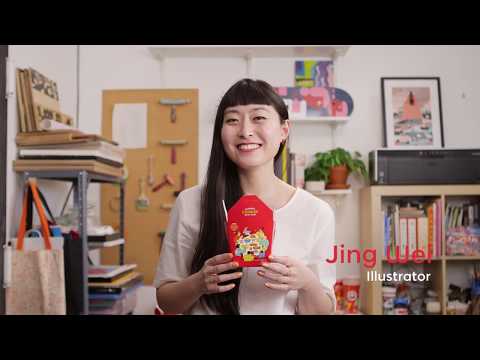
This piece from Panda Express is a clever exercise in borrowed equity. Instead of making claims about its own authenticity, the brand steps back and hands the microphone to a credible, external voice: illustrator Jing Wei. This documentary-style film is less an ad about food and more a story about cultural identity, with Panda Express positioned as the setting where that identity is shared and celebrated. The strategy is to build brand affinity by aligning with the values of a creative, modern, and culturally-aware audience.
The core insight is that cultural traditions, like Chinese New Year, can feel exclusive to outsiders, but at their heart, they are about universal themes of family, togetherness, and sharing food. Panda Express aims to be the bridge that makes this specific tradition accessible to everyone. The choice of Jing Wei is critical; as a Chinese-American artist, her story of navigating two cultures mirrors the brand's own identity as an American-Chinese company. Her genuine childhood connection to eating at Panda Express provides a level of validation that no marketing copy could achieve. [2]
The execution follows a classic Behind-the-Scenes narrative. It opens with the hook of the creative process—the intimate act of drawing—which immediately signals that this isn't a typical fast-food ad. The story builds by introducing the artist and her personal connection, using her family photos to ground the narrative in real, human experience. This establishes the emotional foundation. The 'proof' comes as we see her thoughtful design process, linking cultural symbols like the dragon dance and the lucky number 8 directly to the final packaging. The payoff is the final scene: a diverse group of friends coming together, demonstrating the campaign's central idea of inclusive celebration. The food is present, but it's a prop in a larger story about connection.
The debrief for the marketing team is that this type of authentic, story-driven content is highly effective for building a brand's soul. It moves Panda Express from being a convenient meal option to a meaningful cultural participant. The key lesson is the power of relinquishing control and letting a genuine creator tell their story. However, it also highlights the challenge of balancing brand-building with commercial imperatives. While this ad builds love, it's less effective at driving immediate traffic. The long-term value is significant, but it relies on the viewer making the connection between the warm feeling and their next lunch decision.
Theme Keywords
Brand Position
The accessible and authentic way for all Americans to participate in Chinese culture.
Brand Archetype
The Everyperson
Creative Game Plan
Validate our brand's authentic connection to Chinese culture by showcasing a genuine collaboration with a modern Chinese-American artist.
Diagnosis: Issues & Solutions
Primary Issue: Clarity of "What's Next?"
The Problem:
The ad does an excellent job creating a warm, positive feeling but is extremely weak in converting that feeling into immediate action. The viewer is left feeling good about Panda Express but with no compelling reason to visit a store right away.
The Solution:
Strengthen the final call-to-action. Instead of just showing the limited-time packaging, add a simple, tangible offer like, 'Bring a friend to celebrate and get a free order of spring rolls. #CelebrateTogether'.
Secondary Issue: Emotional Connection
The Problem:
While the tone is consistently warm and authentic, it remains very level. The piece lacks a single, powerful emotional peak—a moment of true surprise, joy, or deeper poignancy—that would make it truly unforgettable.
The Solution:
Incorporate a more dynamic emotional moment. For example, capturing the genuine reaction of Jing Wei's parents or friends seeing the final, mass-produced packaging with her art on it for the first time could have provided a powerful, climactic beat.
Additional Notes
Credits
Share this Analysis
More Panda Express ad breakdowns
- Panda Express: Have You Eaten Yet? Extended VersionPanda Express
- Panda Express | Fortune Girl | #FortunateForYouPanda Express
- Aunties AssemblePanda Express
- WishesPanda Express
- The Parked Car featuring Roman Kemp | Nando's UKNando's
- Phone DownFreddy's Frozen Custard & Steakburgers
- Madero and Hospital Angelina Caron - September 27th - National Organ Donation Day CampaignMadero
- A Future Begins - A Short Film Supporting FarmersChipotle Mexican Grill