NEYMAR JR. X DIESEL FRAGRANCES - SPIRIT OF THE BRAVE - Ad Analysis

AI Editor notes
Straight from the gut!!
“This feels like a therapy session disguised as a fragrance ad. It's so self-referential about Neymar's public image issues that it's almost distracting. Are we buying cologne or a PR campaign? The production is slick, but the message is heavy-handed. It's trying very hard to make 'bravery' happen for a guy many just see as a great, if dramatic, player. A tough sell.”
Quick Summary
This ad isn't just selling a fragrance; it's selling Neymar Jr.'s personal narrative of resilience as a product. By directly addressing the public criticisms against him—the diving, the media pressure, the perceived theatrics—Diesel attempts to reframe his controversial reputation into a story of bravery, making the fragrance a symbol of that defiant spirit.
Executive Summary
Diesel's 'Spirit of the Brave' is a high-stakes bet on celebrity storytelling, attempting to transform the public persona of one of the world's most polarizing athletes, Neymar Jr., into a marketable asset. The brand isn't just using him as a face; it's co-opting his entire narrative of controversy and recasting it as a modern definition of bravery. The core insight is that for a hyper-visible generation, true bravery isn't the absence of fear, but the ability to play with it, to laugh at criticism, and to own your perceived failures. This is a savvy move in a media landscape where athletes are brands, and their narratives are constantly under scrutiny.
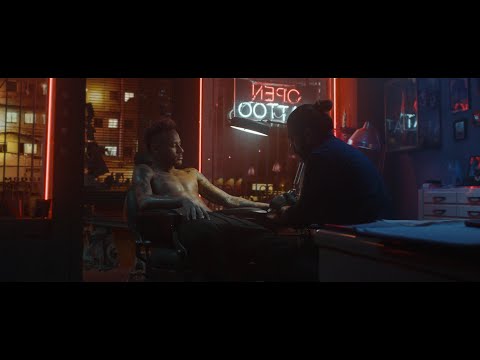
The execution uses a classic Setup-Turn-Payoff structure, framed by Neymar's voiceover. The setup establishes the myth of fearlessness and immediately debunks it ('They say the brave are fearless. Bullshit.'). This grabs attention and positions the ad as an honest confession. The 'Turn' is the central theme: 'The brave face their fears and smile at them.' This is visualized through a montage that directly references Neymar's biggest criticisms—the media circus, the online mockery of his on-field dives, and the immense pressure. The surreal CGI sequence where his tattoos come alive to shatter the press corps is the creative centerpiece, a powerful visual metaphor for taking control of the narrative. The 'Payoff' connects this philosophy back to the product. The final line, 'We say the brave don’t fear their fears, they play with them,' and the reveal of the fist-shaped bottle, solidify the link. The fragrance becomes the talisman for this mindset.
The debrief for the team is a lesson in the power and peril of celebrity co-creation. When it works, as it mostly does here, it lends immediate depth and a point of view to a product that would otherwise be just another scent on the shelf. By making the bottle a replica of Neymar's own tattoo, Diesel creates an authentic link between the man and the product. However, the risk is that the message becomes more about rehabilitating the celebrity's image than selling the product. The ad spends so much time dissecting Neymar's psyche that the fragrance itself feels like an afterthought until the final seconds. While effective for a launch, the long-term success depends on whether consumers buy into Neymar's definition of bravery or see it as a well-produced but ultimately hollow piece of personal branding.
Theme Keywords
Brand Position
The fragrance for men who find strength in their vulnerability and playfulness in the face of pressure.
Brand Archetype
The Jester/Outlaw
Creative Game Plan
Transform Neymar Jr.'s public controversies into a compelling story about modern bravery, making the fragrance an emblem of resilience.
Diagnosis: Issues & Solutions
Primary Issue: Emotional Connection
The Problem:
The ad's focus on defending Neymar's specific public controversies risks alienating a broader audience who may not be invested in his personal drama, making the message feel niche rather than universal.
The Solution:
Future iterations could have focused more on the universal aspects of fear and criticism (social media pressure, self-doubt) using Neymar as the example, rather than making it a direct rebuttal to his specific critics.
Secondary Issue: Strategic Sense
The Problem:
By tackling Neymar's reputation for simulation ('diving') head-on, the ad takes a big risk. For skeptics, it might not come across as brave, but rather as a justification, potentially undermining the core message of authentic strength.
The Solution:
A more effective approach might have been to ignore the 'diving' controversy altogether and focus on less debatable pressures, such as the weight of national expectation or the physical demands of the sport, which are more universally relatable symbols of bravery.