Mountain Dew Peaks Of Courage | Conquer New Fears | 2025 | English - Ad Analysis

AI Editor notes
Straight from the gut!!
“This is a smart play. Instead of just showing another guy doing a backflip on a snowboard, they built something useful. It feels like a Red Bull project, but for a market that's less about spectacle and more about soul. The real question is whether this is too niche. How many people are actually scanning their soda to plan a death-defying climb? Still, as a piece of brand positioning, it's solid work.”
Quick Summary
Mountain Dew has successfully moved beyond just advertising its 'courage' tagline by creating a tangible, valuable platform. The 'Peaks of Courage' initiative, which rates Nepal's lesser-known mountains by their difficulty rather than fame, authentically embeds the brand into the heart of adventure culture. By partnering with the Nepal Tourism Board, they've created a campaign that's part brand-building, part tourism initiative, and part digital utility, giving them genuine credibility and cultural relevance.
Executive Summary
Mountain Dew's 'Peaks of Courage' is a confident and clever evolution of brand storytelling, moving from simply depicting a brand value to actively facilitating it. The campaign is built on a solid strategic foundation that understands a crucial nuance in the mindset of modern adventurers: the quest for authenticity over fame.
The Core Insight: The campaign operates on the simple human truth that for true thrill-seekers, the biggest prize isn't the one everyone knows, but the one few have earned. Once you've checked the big box (Everest), the real question becomes, 'What's next?'. Mountain Dew positions itself as the answer, not just with a beverage, but with a roadmap to the unknown. This insight allows the brand to own a unique space: it’s not just for any adventure, but for discovering the next adventure.
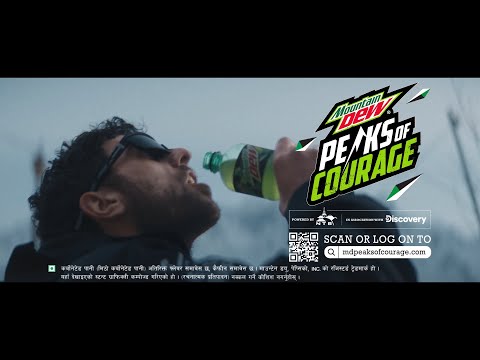
The Execution: The ad uses a clear Hook-Value-Proof-Ask structure. The Hook is the immediate subversion of a great achievement. A climber celebrates conquering Everest, but his local guide immediately reframes it as just the beginning (0:15-0:22). This creates instant narrative tension. The Value proposition is then laid out: Nepal has countless other peaks that test courage more than fame (0:29-1:05). This repositions Nepal itself as a land of infinite adventure, a smart move that aligns the brand with national pride. The Proof is the campaign's strongest element. It's not just talk; it's a platform. By showing the 'DareScore' on a phone (1:12) and explaining that peaks are rated by 'toughness,' not height (1:17), the campaign demonstrates a tangible utility. The partnerships with the Nepal Tourism Board and Discovery add a layer of credibility that a brand couldn't achieve alone. The final Ask—to scan the bottle or visit the website—feels earned because the brand has already provided clear value. The integration of the physical product with a digital world is seamless and modern.
The Debrief: The key lesson here is the power of creating a brand-owned platform. Mountain Dew didn't just make an ad about courage; they built a tool for the courageous. By creating the 'DareScore,' they generated their own IP and gave consumers a reason to engage with the brand long after the ad is over. This approach turns passive viewers into active participants. The collaboration with the NTB is a masterstroke, lending the project authenticity and a sense of social good, as it aims to promote tourism beyond the single-peak focus of Everest and provide opportunities for local communities.
Theme Keywords
Brand Position
The catalyst for conquering your next, undiscovered fear.
Brand Archetype
The Explorer
Creative Game Plan
Transform Mountain Dew from a product you drink during an adventure into the platform you use to find your next one.
Diagnosis: Issues & Solutions
Primary Issue: Strategic Sense
The Problem:
The campaign's primary strength—its authentic focus on hardcore mountaineering—is also its biggest potential weakness. The appeal may be too narrow, risking alienation of the vast majority of consumers who will never climb these peaks.
The Solution:
Broaden the platform's entry points. While 'Peaks of Courage' remains the aspirational halo, the website and content could also cater to trekkers and casual adventurers, offering 'Courage Scores' for popular, less extreme trails to make the concept accessible to a wider audience.
Secondary Issue: Emotional Connection
The Problem:
The ad is visually stunning and thrilling but keeps the viewer at an emotional distance. The characters are archetypes (Foreign Climber, Wise Guide) rather than relatable individuals, making the final moment by the campfire feel a bit staged.
The Solution:
In supporting content, feature the genuine stories of real Nepali climbers—both seasoned sherpas and up-and-coming adventurers. Hearing their personal definitions of fear and victory would add a layer of human depth that the main film touches on but doesn't fully explore.
Additional Notes
Related Links
Credits
Share this Analysis
More Mountain Dew ad breakdowns
- Unstoppable Duo | Mountain Dew 2025 | Featuring Hrithik Roshan & Salman KhanMountain Dew
- Darr Nu Daraa 2.0 | English | 35sMountain Dew
- Mtn Dew Gaming RewardsMountain Dew
- The Mountain Dude Steps Out at GQ's Men of The YearMountain Dew
- Mountain Dew: Hoedown - Tasting Great Since '48Mountain Dew
- Mountain Dew Peaks Of Courage | Conquer New Fears | 2025Mountain Dew
- Crossing the Delaware | American DewMountain Dew
- Who will you Share A Coke with?Coca-Cola