Minute Maid Summer Campaign 2017 - China - Ad Analysis

AI Editor notes
Straight from the gut!!
“This is a massive production that borrows its entire creative concept from Willy Wonka. It's visually packed, but feels derivative. Is 'our factory is magical' the most ownable idea for a juice brand? They're throwing everything at the screen to make 'three kinds of pulp' seem epic. It’s a lot of sizzle for a relatively simple steak. I question if the fantasy connects back to the core feeling of drinking juice or if it just gets lost in the spectacle.”
Quick Summary
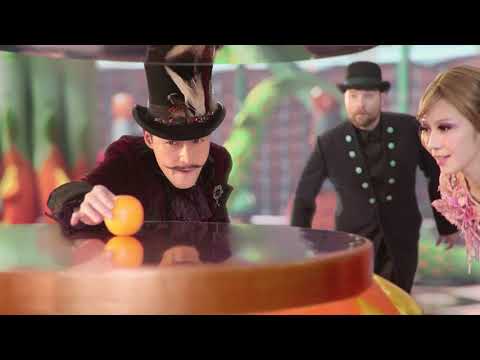
This ad transforms a functional product attribute—a new juice with three types of pulp—into a memorable spectacle. It uses a high-concept, CGI-heavy fantasy world, heavily inspired by *Charlie and the Chocolate Factory*, to frame the product as magical and premium, using celebrity Hu Ge as the charismatic guide through the surreal production process.
Executive Summary
Minute Maid's 'The Pulpy Factory' is a full-throated embrace of spectacle to launch its Triple Pulpy Orange drink in the Chinese market. The strategy is straightforward: take a functional, perhaps mundane, product differentiator—three kinds of pulp—and elevate it to the level of mythic invention. The core insight here is that consumers aren't just buying juice; they're buying a small escape, a moment of pleasure to break up the routine. The ad literalizes this by transporting its characters (and the audience) from a generic corporate office into a world of pure imagination.
The execution is a direct and unapologetic homage to Roald Dahl's Charlie and the Chocolate Factory. Celebrity Hu Ge plays the eccentric 'President of Pulpy,' a clear stand-in for Willy Wonka, who guides his guests through a fantastical factory. This isn't just a place of manufacturing; it's a magical realm where oranges fly on cushions, roller coasters traverse orchards in the sky, and octopus-like machines press fruit. Every stage of the product's creation is presented as a fantastical event, from the 'whole fruit press' to cannons firing the three different pulp varieties. This approach cleverly reframes the Reason to Believe (RTB) from a technical specification into an entertaining narrative. Instead of just saying 'we added more pulp,' they show a vibrant, imaginative process, aiming to imbue the final product with that same sense of magic and fun.
The choice to use a mixed-media approach with heavy CGI allows the brand to create a world unbound by reality, perfectly suited to the 'magical factory' concept. The problem, however, is that the concept feels borrowed. While effective for generating immediate buzz and explaining the product in a memorable way, it anchors the brand's story to a well-known external cultural reference rather than building an ownable creative platform. The team should learn that while high production value and spectacle can successfully launch a product, long-term brand building requires a more distinctive and unique creative territory.
Theme Keywords
Brand Position
The most joyful and multi-textured juice experience that provides a magical escape from the everyday.
Brand Archetype
The Magician
Creative Game Plan
Transform the functional benefit of 'three types of pulp' into a magical experience by revealing the secret, Willy Wonka-style factory where it's made.
Diagnosis: Issues & Solutions
Primary Issue: Brand Distinctiveness
The Problem:
The ad's heavy reliance on the *Charlie and the Chocolate Factory* trope makes it feel generic. The 'magical factory' could be used for candy, soda, or any other consumable, making the creative less ownable for Minute Maid.
The Solution:
Future campaigns should ground the brand's 'magic' in a more ownable and authentic world. Instead of a borrowed fantasy, explore the natural magic of the ingredients or the simple, real-world joy the product brings, creating a unique visual language for the brand.
Secondary Issue: Emotional Connection
The Problem:
The ad creates a sense of wonder and spectacle but lacks a deeper, more human emotional core. The characters are props in a CGI world, and the experience feels more like a theme park ride than a relatable moment.
The Solution:
Connect the fantastical elements to a more grounded human payoff. Show the 'triple pleasure' not just as a factory process, but as a feeling experienced by a real person in a relatable situation after leaving the magical world.