1987: Frooti - Ad Analysis

AI Editor notes
Straight from the gut!!
“This is a 26-second blast of 80s chaos. The fashion, the synth-pop, the frenetic cuts—it's a lot. But underneath the noise, the strategy is sharp. They knew the carton was the weirdest thing about their product, so they leaned into it. Calling it a 'freaked-out pack' is a clever way to own the strangeness. It's an ad that's more about education than seduction, and for a category-creating product, that was the right call.”
Quick Summary
This ad's success hinged on its ability to sell a behavior, not just a beverage. By framing the unfamiliar Tetra Pak as a 'freaked-out pack' and explicitly showing how to 'jab in the straw,' Frooti overcame the primary adoption hurdle. It turned the packaging's novelty from a potential barrier into the main attraction, effectively teaching an entire market a new way to consume juice on the go.
Executive Summary
The 1987 Frooti commercial is a textbook example of advertising as education, disguised as entertainment. Facing the challenge of launching not just a new mango drink but a completely foreign packaging concept—the Tetra Pak—to the Indian market, the ad smartly prioritizes clarity and demonstration over subtle persuasion. [5] It understood that before consumers could love Frooti, they had to understand it.
The Core Insight: The simple truth behind this ad is that convenience is liberating. In 1980s India, consuming juice on the move was impractical. It came in glass bottles that were heavy, breakable, and needed to be returned. Frooti's insight was that if they could offer mango juice in a portable, disposable, and 'cool' format, they could fundamentally change consumption habits, especially among the youth and families.
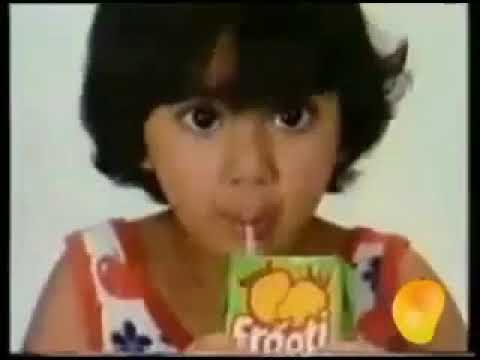
The Execution: The ad follows a classic Problem-Solution-Proof structure, delivered with the high-energy aesthetic of early MTV. The 'Problem' is implicitly the old way of doing things. The 'Solution' is Frooti, introduced with an air of mystery and excitement ('What's happening baby?'). The voiceover immediately addresses the elephant in the room: the packaging, calling it a 'freaked-out pack' to turn its strangeness into a feature. The core of the ad is the 'Proof' or demonstration. We are explicitly told and shown to 'jab in the straw' and that it's a 'chuck-away pack that needs no knack.' These aren't just taglines; they are user instructions. The rapid cuts, vibrant colors, and modern fashion all work to position this new behavior not as utilitarian, but as aspirational and fun. The integration of stop-motion mango characters adds a playful touch that ensures the core ingredient isn't lost amidst the focus on packaging.
The Debrief: The key lesson from this ad is the importance of tackling the consumer's biggest question head-on. Parle Agro and its agency knew the Tetra Pak was the biggest hurdle. Instead of downplaying it, they made it the star. This direct, educational approach, wrapped in a veneer of pop-culture cool, was instrumental. It demonstrates that when launching something truly new, clarity is the most creative strategy of all. It didn't just sell a drink; it sold a new convenience.
Theme Keywords
Brand Position
The modern, fun, and refreshingly convenient way to enjoy mango juice anytime, anywhere.
Brand Archetype
The Explorer: Frooti encourages a new experience and offers the freedom to break free from the constraints of traditional beverage consumption.
Creative Game Plan
Make the strange new packaging the hero by teaching people how to use it in a fun, modern, and exciting way.
Diagnosis: Issues & Solutions
Primary Issue: Emotional Connection
The Problem:
The ad's relentless energy and focus on novelty creates a sense of excitement but fails to forge a lasting emotional bond. It's all sizzle, making it memorable but not necessarily beloved from a single viewing.
The Solution:
Incorporate a brief, contrasting moment of quiet satisfaction. For example, after the frenetic dancing, a shot of the young girl closing her eyes and savoring the taste would have added a layer of genuine enjoyment to the functional benefit of convenience.
Secondary Issue: Strategic Sense
The Problem:
The ad's aesthetic is heavily influenced by Western pop culture (specifically MTV). While this positioned the brand as modern, it might have felt slightly disconnected from the broader Indian cultural context of 1987, potentially narrowing its initial appeal.
The Solution:
Ground one of the vignettes in a more recognizably Indian setting, like a crowded train journey or a family picnic, to show how this modern convenience solves a distinctly local problem, thereby broadening its relatability.