Middle Child Day? Yes, it's a thing. - Ad Analysis

AI Editor notes
Straight from the gut!!
“Clever. This feels like classic Air NZ—finding a quirky, human angle that no other airline would touch. It's not a big-budget epic, it's a social media gag, but it works. They invented a reason to talk to people, made them smile, and connected it back to a universal travel pain point. Is it going to sell a single ticket? Probably not directly. But it makes the brand feel more like a friend, and that's hard to put a price on.”
Quick Summary
Air New Zealand uses a simple, highly relatable human truth—that being a middle child feels like being stuck in the middle seat—to create a charming and witty brand moment. It's a low-cost, high-goodwill play that reinforces the airline's uniquely human and clever personality in a way no competitor could.
Executive Summary
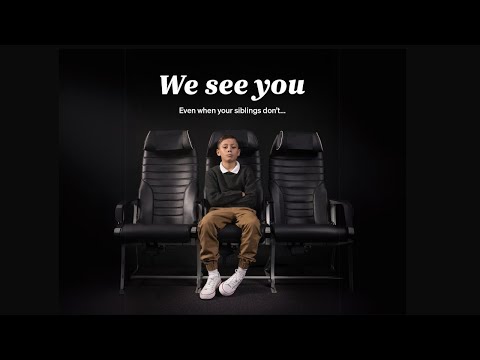
Air New Zealand has long understood that you don’t need a blockbuster budget to make an impact; you need a sharp insight. Their “Middle Child Day” campaign is a textbook example of this philosophy. The work is built on a simple, universally understood human truth: being a middle child often means feeling overlooked, forgotten, or squeezed in between. The creative leap is connecting this feeling directly to an equally universal travel experience: the dreaded middle seat. This parallel is the engine of the entire ad, and it works because it's both funny and true.
The execution follows a clean Problem-Solution narrative structure, presented in a documentary style. It starts by establishing the 'problem' through a series of relatable, humorous testimonials. We see people of all ages describe the slights of being a middle child—being forgotten on family trips, acting as the reluctant peacekeeper, and generally getting the short end of the stick. The simple visual of having every person confined to a middle airline seat is a constant, effective metaphor for this feeling of being trapped. The ad then cleverly pivots, reframing the experience not as a weakness but as a source of strength, building traits like empathy and resilience. The 'solution' or payoff isn't a product feature but a witty brand gesture: the 'Middle Seat Exemption Certificate' from the fictional 'Air New Zealand Middle Child Compensation Department.' This punchline doesn't just resolve the narrative; it perfectly encapsulates the brand's personality—empathetic, self-aware, and never taking itself too seriously.
The debrief for the team that made this would be a lesson in efficiency and brand voice. They proved that with the right insight, you can create a powerful brand moment with just three airline seats and a good casting director. The ad succeeds by not trying to be everything to everyone. It's a targeted, tactical play designed for a specific cultural moment to delight a specific mindset. It reminds us that the most effective advertising often doesn't feel like advertising at all; it feels like a conversation with a brand that actually gets it.
Theme Keywords
Brand Position
The airline that understands the human side of travel.
Brand Archetype
Jester
Creative Game Plan
Celebrate the unsung heroes of the family—middle children—by drawing a witty and empathetic parallel between their plight and the universally disliked middle seat.
Diagnosis: Issues & Solutions
Primary Issue: Clarity of "What's Next?"
The Problem:
The campaign generates a smile and a feeling of goodwill but gives the audience no tangible next step. The momentum and shareability are capped because the interaction ends the moment the video does.
The Solution:
Include a simple, low-friction call to action that extends the gag. For example, a link in the description to a microsite where users can download and personalize their own 'Middle Seat Exemption Certificate' to share with the middle children in their lives. This would turn passive viewers into active participants and brand ambassadors.
Secondary Issue: Emotional Connection
The Problem:
The ad nails the humor but stops just short of a more heartfelt emotional beat. The resolution is entirely based on the gag certificate, which is clever but keeps the feeling light.
The Solution:
After the participants laugh at their certificates, add a final, quick shot of one of them on an actual Air New Zealand flight, happily settled into a window or aisle seat, giving a subtle, knowing smile. This would provide a more tangible and emotionally satisfying resolution, connecting the joke back to the real-world travel experience.
Additional Notes
Related Links
Credits
Share this Analysis
More Air New Zealand ad breakdowns
- Air New Zealand presents "The Great Christmas Chase"Air New Zealand
- Let the Magic Find You This Christmas #AirNZXmasAir New Zealand
- Your extraordinary adventure awaitsAir New Zealand
- Mile-high madness with Richard Simmons! #AirNZSafetyVideoAir New Zealand
- An Unexpected Briefing #AirNZSafetyVideoAir New Zealand
- Air New Zealand: International Women's Day 2026 – Led by WomenAir New Zealand
- Coolest Vacation Flights | Travel to Hills & Mountains with IndiGo | IndiGo 6EIndiGo
- There's an air about India | The sound of a new IndiaAir India