MAGGI World Environment Day #2MinuteDeshKeNaam - Ad Analysis

AI Editor notes
Straight from the gut!!
“This is a solid, if slightly predictable, piece of corporate responsibility advertising. The opening with the talking objects feels a bit disconnected from the core message, but I get what they were going for. The real strength is the tagline. Hijacking their most famous brand asset ('2-Minutes') for a social cause is clever. It's a necessary play for a market leader whose packaging is literally everywhere.”
Quick Summary
Maggi cleverly pivots its iconic '2-Minute Noodles' promise into '2-Minute Desh Ke Naam' (2 Minutes for the Nation), transforming the mundane act of throwing away a wrapper into a small, patriotic act of environmental responsibility. It’s a smart CSR move that tackles the brand's biggest vulnerability—plastic waste—head-on, framing the solution not as a chore, but as a contribution to the country.
Executive Summary
This Maggi campaign is a textbook example of a market leader using its platform for a Corporate Social Responsibility (CSR) message. It's a defensive strategy executed as a positive, proactive piece of brand building. The core challenge for a brand like Maggi, whose single-use plastic packaging is ubiquitous across India, is its environmental footprint. This ad tackles that issue head-on, not by changing the product, but by aiming to change consumer behavior around its disposal.
The creative execution follows a clear Problem-Solution framework. It starts by establishing the 'problem' through a relatable, if slightly absurd, metaphor: things don't belong where they don't fit. The opening vignettes of shoes in the fridge and a laptop on a clothesline are designed to create a sense of wrongness. [4] This feeling is then transferred to the hero of the story—the littered Maggi packet. By personifying the packet and giving it a voice, the ad attempts to create a sliver of empathy for an inanimate object, framing littering not just as careless, but as putting something in the wrong place where it doesn't belong. The 'solution' is presented as a simple, direct action: placing the packet in the correct (blue) dry waste bin. [8]
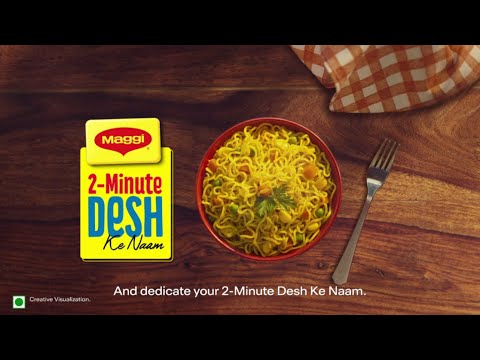
Where the ad moves from a generic public service announcement to effective branding is in the final act. It provides the 'proof' by stating that Maggi collects and recycles an equivalent amount of plastic waste to what it produces. [7] This is a crucial step; it tells the consumer their small action is part of a larger, meaningful system managed by the brand. The masterstroke, however, is the campaign tagline: '2-Minute Desh Ke Naam' ('2 Minutes for the Nation'). It brilliantly co-opts Maggi's most powerful brand asset—the '2-Minute Noodles' promise of speed and convenience—and applies it to a patriotic, environmental cause. This transforms the consumer's action from a simple chore into a moment of national contribution, a powerful motivator in the Indian cultural context. The team should learn that leveraging a core, existing brand asset can be the most powerful way to make a CSR message feel authentic and ownable, rather than generic.
Theme Keywords
Brand Position
The simple, quick, and comforting meal that brings moments of happiness to Indian families.
Brand Archetype
Caregiver
Creative Game Plan
Connect the iconic '2-minute' convenience of Maggi to the '2 minutes' it takes to dispose of waste responsibly, framing it as an act of patriotism.
Diagnosis: Issues & Solutions
Primary Issue: Emotional Connection
The Problem:
The transition from the quirky, talking objects to the serious, corporate-sounding message about waste collection is jarring. The first half is playful and creative, while the second half feels like a standard CSR report, which prevents a consistent emotional arc from building.
The Solution:
Integrate the narrative by having the personified Maggi packet be the one to tell the story of recycling. Instead of a narrator explaining the process, let the packet 'dream' of becoming a bench or a bag, creating a more cohesive and emotionally engaging journey from waste to worth.
Secondary Issue: Strategic Sense
The Problem:
The claim of being 'plastic neutral' by collecting an equivalent amount of plastic sold is a standard industry practice for Extended Producer Responsibility (EPR), but it can come across as a corporate sleight of hand to savvy consumers. It addresses disposal but not the root problem of producing single-use plastic.
The Solution:
While continuing the disposal message, add a brief, forward-looking statement about innovation in packaging. A simple line like 'And we're working on new ways to package your Maggi with less plastic' would acknowledge the bigger picture and future-proof the brand against criticism that it's only focused on clean-up, not reduction.
Additional Notes
Related Links
Credits
Share this Analysis
More Maggi ad breakdowns
- La Búsqueda del IndicadoMaggi
- The Journey of Taste: Sourcing the Iconic Spice BlendMaggi
- MAGGI MAMI: The First AI Business Advisor for MammiesMaggi
- MAGGI COCINANDO EL TIEMPO SubtituladaMaggi
- 1985: Maggi India ad - Mummy I am HungryMaggi
- 1985: India Maggi - Fast to cook Good to eatMaggi
- 1985: Maggi India - CricketMaggi
- Rollton on Fire. EnglishRollton