1985: Maggi India - Cricket - Ad Analysis

AI Editor notes
Straight from the gut!!
“This is foundational work. It's almost a perfect 'Problem-Solution' ad. The insight is so simple and true: kids get hungry, and moms need a fast answer. The "2 minutes!" line is the killer hook. It's more than a tagline; it's the entire product ethos delivered in two words. For its time, this was a brilliant piece of category creation. It feels dated, sure, but the strategic bones are impeccable.”
Quick Summary
This ad didn't just sell noodles; it created an entirely new meal category in India by positioning Maggi as the definitive 2-minute solution for a universal problem: children's after-play hunger. By targeting mothers and making a simple, time-based promise, it embedded itself into the national culture and established a market dominance that would last for decades.
Executive Summary
This 1985 Maggi commercial is a textbook example of how to create a new market through simple, powerful problem-solution storytelling. At a time when instant noodles were an alien concept in India, Nestlé didn't just launch a product; they launched a new routine for Indian families. The ad's brilliance lies in its understanding of a core, unmet need and providing a uniquely tangible solution. It identified a specific moment—the ravenous hunger kids feel after playing—and positioned Maggi as the perfect, lightning-fast answer. The entire narrative is built around a single, powerful promise: '2 minutes.' This wasn't just a feature; it was a revolutionary concept in a country where snack preparation was traditionally a much longer affair.
The Core Insight: The simple human truth at the heart of this campaign is that a mother’s love and care can be demonstrated through her ability to quickly and happily satisfy her child’s hunger. The ad taps into the pressure on mothers to provide for their children, especially as more women were joining the workforce and had less time. Maggi offered a way for the 'modern' mother to deliver a hot, satisfying snack without the lengthy preparation of traditional options, thereby relieving a point of daily stress.
The Execution: The ad follows a classic Problem-Solution framework.
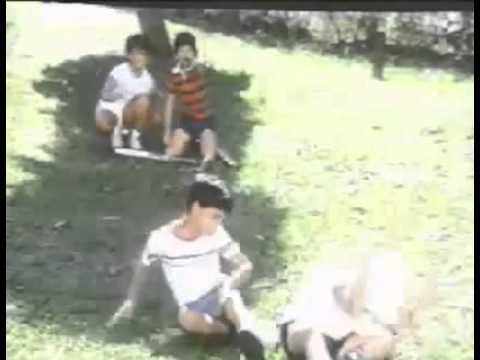
- Problem: The setup is immediate and relatable. A group of boys, energized and spent from a game of cricket, are suddenly hit with hunger. The line, "Mummy, I'm hungry!" is a universal trigger, instantly establishing the core problem for the target audience of mothers.
- Solution: The mother’s calm, smiling response, "2 minutes!", is the brand's entire strategy delivered in a single phrase. This isn't just a promise of food; it's a promise of instant relief and gratification. The subsequent montage visually proves this claim, showing the noodles boiling and seasoning being added, making the process look effortless.
- Proof & Payoff: The final scenes of the children joyfully eating the noodles provide the emotional payoff. Their happiness validates the mother's choice. The jingle reinforces the key attributes ("nutritious," "goodness") while the male voiceover and final tagline—"Easy to cook! Good to eat!"—summarize the rational benefits. This dual appeal to both mother (convenience, nutrition) and child (taste, fun) was critical.
The Debrief: The key takeaway from this campaign is the immense power of owning a tangible, quantifiable benefit. Maggi didn't just claim to be 'quick'; it owned '2 minutes'. This created an unshakeable association that competitors struggled for years to break. Furthermore, by identifying a specific, unoccupied niche (the after-school snack) instead of trying to compete with traditional meals, Maggi created its own playing field and became the undisputed leader. The campaign's success demonstrates that when introducing a new category, a simple, problem-solving narrative anchored in a real human insight is more effective than any complex creative flourish.
Theme Keywords
Brand Position
The fastest, tastiest, and most convenient hot snack for kids.
Brand Archetype
The Caregiver: The brand acts as the mother's reliable partner, helping her care for her family quickly and easily.
Creative Game Plan
Establish Maggi as the definitive 2-minute solution to children's hunger, making it an indispensable staple for every modern Indian mother.
Diagnosis: Issues & Solutions
Primary Issue: Strategic Sense
The Problem:
The ad's claim of being "so nutritious for everyone" is its most vulnerable point by modern standards. While acceptable in the 1980s, today's health-conscious consumers would heavily scrutinize this claim for a processed snack, potentially seeing it as misleading.
The Solution:
In a modern remake, shift the language from direct nutritional claims to emotional benefits. Focus on it being a 'warm & satisfying' or 'comforting' snack that brings joy, while perhaps showing the mother adding fresh vegetables to enhance it—a strategy Maggi later adopted.
Secondary Issue: Emotional Connection
The Problem:
The portrayal of the mother is one-dimensional. She exists solely to serve her hungry child, which reflects the gender roles of the era but feels dated today. It lacks the nuance of modern family dynamics.
The Solution:
Update the narrative to show a more collaborative family. Perhaps the father is involved in the preparation, or an older sibling helps make the snack, reflecting a more shared sense of household responsibility and making the brand feel more contemporary.
Additional Notes
Related Links
- Why Nestle's Maggi Instant Noodles Remains Undefeated in India since 1983 - Medium✓ Validated9/10AI Source
- How Maggi noodles became India's favourite comfort food - Quartz✓ Validated9/10AI Source
- Maggi Noodles in India: Creating and growing the category - IMD Business School✓ Validated9/10AI Source
- Maggi Noodles Was Launched in India in 1984 by Nestle - Scribd✓ Validated9/10AI Source
- How did Maggi become a household name in India? - Think School✓ Validated9/10AI Source
- How Maggi became India's favourite snack? - The Strategy Story✓ Validated9/10AI Source
- How Maggi noodles revolutionised snacking in two minutes - BrandEquity✓ Validated9/10AI Source
- Bas 2 Minute - The Success Of Maggi In India - Onlykutts✓ Validated9/10AI Source
Credits
Share this Analysis
More Maggi ad breakdowns
- La Búsqueda del IndicadoMaggi
- The Journey of Taste: Sourcing the Iconic Spice BlendMaggi
- MAGGI MAMI: The First AI Business Advisor for MammiesMaggi
- MAGGI COCINANDO EL TIEMPO SubtituladaMaggi
- 1985: Maggi India ad - Mummy I am HungryMaggi
- MAGGI World Environment Day #2MinuteDeshKeNaamMaggi
- 1985: India Maggi - Fast to cook Good to eatMaggi
- Rollton on Fire. EnglishRollton