Lidl Presents: A Magical Christmas | TV Advert 2024 | Lidl GB - Ad Analysis

AI Editor notes
Straight from the gut!!
“It's a solid, well-made Christmas ad that ticks all the boxes: emotion, kids, a bit of magic. It definitely feels like it's chasing that famous John Lewis formula. The 'magic food' bit in the middle feels a little disconnected from the main point, but the pivot to the selfless act of giving at the end is what saves it and gives it a purpose beyond just being a pretty film.”
Quick Summary
This ad successfully shifts Lidl's brand perception from being solely about price to being about community value. By anchoring its Christmas message in a tangible act of charity—the 'Toy Bank'—it generates emotional goodwill and differentiates itself in the hyper-competitive holiday advertising landscape, arguing that the 'magic' of Christmas is not just in getting, but in giving.
Executive Summary
Lidl's 2024 Christmas campaign, 'A Magical Christmas', is a calculated and well-executed play for the heart in a retail season often dominated by price wars and product showcases. The ad, directed by Oscar-winner Tom Hooper, leverages a classic holiday narrative to position Lidl not just as a provider of affordable goods, but as a facilitator of community spirit. [1, 4]
The core insight driving the campaign is the simple human truth that the joy of giving often outweighs the pleasure of receiving, especially during Christmas. The ad cleverly taps into this sentiment, which feels particularly relevant in a cultural moment marked by economic pressures, where acts of community support resonate deeply. [9] By making its 'Toy Bank' initiative the centerpiece of the story, Lidl moves from a transactional brand to a relational one. [3, 7]
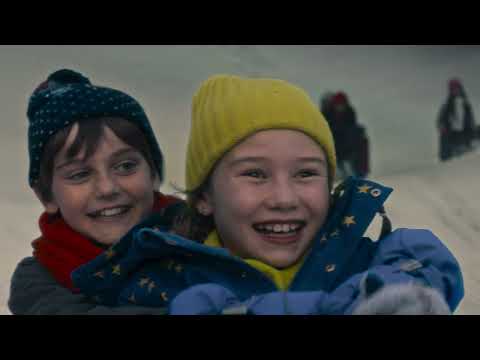
The execution follows a classic Setup-Turn-Payoff structure. The Setup introduces us to a world of Christmas magic, symbolized by wish-granting bells. A girl uses this power to fulfill her family's every festive desire—from turning sprouts into biscuits to bringing a toy raccoon to life. This section establishes the theme of abundance and wish-fulfillment. The Turn is the critical moment of reflection. Surrounded by this magical bounty, the girl remembers the lonely boy she saw earlier. The narrative pivot is explicitly stated by the voiceover: 'But is it not more Christmassy to give?' This shifts the entire focus of the ad from personal gain to selfless action. The Payoff is the emotional resolution. The girl uses her final, most important wish to send a gift—a warm hat—to the boy. The magic's ultimate purpose is revealed not as a tool for endless getting, but as a means for meaningful giving. The final shot of the two children playing together, united by this act of kindness, directly links this feeling to the Lidl brand.
The debrief for the team would be that emotional storytelling, when tied to a concrete, authentic brand action like the Toy Bank, is a powerful tool for a challenger brand. While the ad borrows heavily from the established 'sad-vertising' Christmas tropes, its connection to a real-world charitable scheme gives it substance and credibility. [8, 10] It successfully elevates Lidl's positioning, creating a brand halo that can foster loyalty beyond just price-point.
Theme Keywords
Brand Position
The supermarket that lets you afford a magical Christmas for your family and helps you share that magic with your community.
Brand Archetype
Caregiver
Creative Game Plan
Demonstrate that the greatest Christmas magic Lidl offers is the opportunity to share joy with others.
Diagnosis: Issues & Solutions
Primary Issue: Strategic Sense
The Problem:
The ad's first half, which revels in magical, almost gluttonous wish-fulfillment (exploding sprouts, giant gingerbread men), creates a slight narrative dissonance with the earnest, charitable message of the second half. It feels like two different ad concepts—one about magical abundance, the other about selfless giving—were stitched together.
The Solution:
Integrate the 'giving' motivation earlier. The story would be stronger if the girl's first wish was inspired by wanting to share a feast with the lonely boy, framing the entire magical sequence around an initial impulse of generosity rather than having it be a late-stage realization.