Lenskart First Frame Free TVC - Ad Analysis

AI Editor notes
Straight from the gut!!
“This is sharp, tactical work. Calling out your potential customer's frugality is a bold move, but it feels completely authentic to how young friends talk in India. It's not trying to be overly cool or aspirational; it's grounded in a real-world barrier (cost) and smashes it with an undeniable offer. It's a 20-second masterclass in direct-response advertising.”
Quick Summary
This ad brilliantly weaponizes a common cultural insult—'Chindi' (cheapskate)—to frame its 'First Frame Free' offer not as a discount for the desperate, but as a smart, logical solution that removes any excuse for hesitation. It perfectly targets price-sensitive young Indians by transforming the fear of being seen as cheap into a compelling reason to act.
Executive Summary
The Core Insight: The simple human truth at the heart of this ad is that people, especially the young and price-sensitive, will often endure a known problem rather than spend money to fix it. The inertia is powerful. For eyewear, this is compounded by the perception that good glasses are an expensive and complicated purchase. Lenskart identified that to break this inertia, they needed a trigger so compelling it makes any further delay feel foolish.
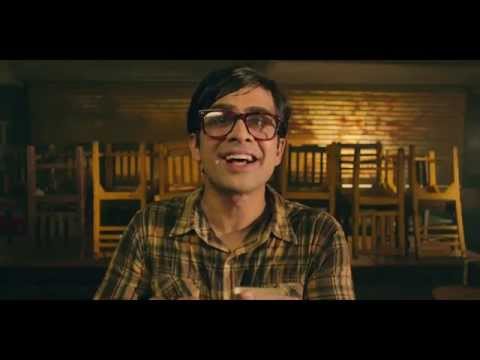
The Execution: This ad is a textbook example of a Problem-Solution narrative, executed with speed and wit. It doesn't waste a single second. The Setup (0-3s) immediately establishes the problem: a young man comically struggling to see his phone screen. The exaggerated effort and sweat make the pain point instantly relatable and humorous. This isn't a serious medical issue; it's a daily annoyance. The Turn (4-9s) is delivered by his friend with the line, "Oye Chindi, kar na! Pehla frame free hai" ("Hey cheapskate, just do it! The first frame is free"). This single line is the core of the ad. It agitates the problem by framing his inaction as being 'cheap,' then immediately presents the irrefutable solution. The Payoff (10-20s) is twofold. First, we see the proof on the phone screen: 'First Buy Price: ₹0,' which removes all doubt. Second, the character’s relieved smile and his question, "Pehle kyun nahi bataya?" ("Why didn't you tell me earlier?") perfectly captures the intended customer reaction: this is such a good deal, it's a no-brainer. The voiceover and end card simply reinforce the brand and offer, leaving no room for ambiguity.
The Debrief: The key lesson from this ad is the power of a culturally-specific insight in performance marketing. Using the term 'Chindi' was a calculated risk that paid off because it spoke the audience's language authentically. It demonstrated that you don't need a massive budget or complex story to be effective. A sharp insight, a single-minded offer, and a clear demonstration of the desired action can be more powerful than a sprawling brand film, especially when the goal is immediate customer acquisition. It proves that understanding the customer's psychological barriers is just as important as the offer itself.
Theme Keywords
Brand Position
The smart, convenient, and affordable way to buy stylish eyewear.
Brand Archetype
The Jester
Creative Game Plan
Make delaying a glasses purchase feel socially and financially foolish by using a humorous, peer-driven scenario to land our 'First Frame Free' offer.
Diagnosis: Issues & Solutions
Primary Issue: Strategic Sense
The Problem:
The ad's greatest strength—its aggressive focus on 'free'—is also a potential long-term risk. It heavily anchors the brand's value proposition on price, which can attract deal-hunters over loyal customers and make it harder to upsell or communicate quality later.
The Solution:
Future campaigns should evolve the narrative from 'free' to 'smart.' While continuing to offer value, the messaging could highlight the quality of lenses, the convenience of home try-on, and the style aspect, framing Lenskart as the intelligent choice, not just the cheap one.
Secondary Issue: Clarity of "What's Next?"
The Problem:
While the ad is brilliant, it omits the key detail that the customer still has to pay for the lenses. This is mentioned in the YouTube description but not the TVC itself, potentially creating a moment of friction or disappointment at the point of purchase.
The Solution:
A simple, quick super like "*Lenses extra" or a minor tweak to the voiceover could have been added to set expectations perfectly without detracting from the power of the 'free frame' message.
Additional Notes
Credits
Share this Analysis
More Lenskart ad breakdowns
- AIR FLEX WhiteLenskart
- The all-new Lenskart Air Float Pop CollectionLenskart
- Lenskart Air Flex | Ultralight, Super Flexible, Unbreakable Specs | #Shorts | #LenskartLenskart
- Lenskart Airflex | #FlexAppeal ft Kings United | Unbreakable SpecsLenskart
- Lenskart Airflex | Ultra-light, Super Flexible Glasses ft Alaya FLenskart
- No More Tired Eyes | Lenskart BLU Screen GlassesLenskart
- Peyush Bansal Talks About The Eyewear Innovation At Lenskart | #Shorts | #LenskartLenskart
- Try 1000+ Frames With AR Technology | Peyush Bansal & Karan Johar | LenskartLenskart