La República: For something to change, we need to know about it (subtitled) - Ad Analysis

AI Editor notes
Straight from the gut!!
“This is a gut punch. It makes the disconnect between macroeconomic data and human reality painfully clear. Using happy headlines as literal trash is a sharp creative choice, but the turn—using the 'real' headline as a blanket for a baby—is what makes it memorable. It’s a brave way for a newspaper to define its value beyond just information, framing it as a tool for societal awareness.”
Quick Summary
This ad makes a powerful argument that not all news is created equal. It brilliantly contrasts the disposable, optimistic headlines of other papers with the essential, difficult truths reported by La República, positioning the brand as a necessary catalyst for social change because you cannot fix a problem you refuse to acknowledge.
Executive Summary
The core insight of this ad is a potent truth: macroeconomic headlines about a nation's success often mean nothing to those living in the margins. It posits that genuine progress can only begin when a society is willing to confront its uncomfortable realities, not just celebrate positive statistics. This is a direct challenge to superficial news and a powerful statement about the role of journalism as a tool for accountability.
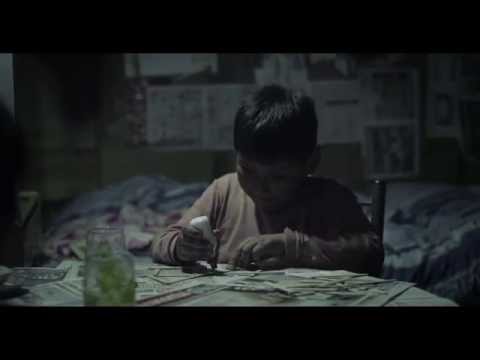
The execution follows a classic Setup-Turn-Payoff structure. The Setup meticulously establishes a world where news is disposable. We see a family in a poorly constructed home using generic newspapers with optimistic headlines—'Peru will grow more than 5%,' 'Private investment grows'—to plug holes in the wall, light a stove, and line worn-out shoes. The desaturated color palette and somber piano music reinforce the harshness of their reality, creating a stark visual disconnect between the printed words and their lived experience. The newspaper is literally just material, its content meaningless.
The Turn is the ad's emotional and narrative pivot. A mother tenderly places a newspaper over her sleeping baby, not as disposable material, but as a blanket. The camera closes in, and for the first time, we see the masthead: 'La República.' The headline reads, 'Crece la economía peruana, pero la pobreza extrema aún persiste' (The Peruvian economy is growing, but extreme poverty still persists). In this moment, the newspaper transforms. It is no longer useless filler; it is a reflection of the family's truth. The very thing that was trash is now imbued with value because it speaks to their reality.
The Payoff is delivered with the on-screen text: 'For something to change, we need to know about it.' This line articulates the brand's entire philosophy and justifies the preceding 40 seconds. The final, wide shot of the shantytown, followed by the simple La República logo, solidifies the newspaper's position as the essential source for the awareness that must precede change. The team behind this should learn that a single, powerful creative metaphor, executed with discipline and emotional honesty, can be far more effective than any complex argument. By contrasting the utility of empty platitudes with the profound value of hard truths, they created a narrative that is both strategically sharp and deeply human.
Theme Keywords
Brand Position
The indispensable source of the uncomfortable truths required for social progress.
Brand Archetype
The Sage
Creative Game Plan
Visually demonstrate that while optimistic headlines are disposable, the hard truth is essential.
Diagnosis: Issues & Solutions
Primary Issue: Clarity of "What's Next?"
The Problem:
The ad does an exceptional job of creating emotional and intellectual buy-in but leaves the viewer without an immediate, tangible action. The call to action is philosophical ('value our truth'), which risks letting the powerful momentum it builds dissipate without being channeled.
The Solution:
A simple, non-intrusive addition on the final logo screen, such as a URL like 'larepublica.pe/laverdad' (thetruth), would provide a concrete destination for motivated viewers to engage directly with the kind of journalism the ad champions, converting sentiment into potential readership.
Secondary Issue: Emotional Connection
The Problem:
The tone is relentlessly somber, which is effective but risks leaving the audience feeling solely defeated rather than activated. The narrative masterfully exposes a problem but doesn't offer a glimmer of the hope that fuels the fight for change.
The Solution:
Incorporate one fleeting shot of resilience or connection within the family—a brief, shared smile between the children or a look of determination from the mother. This would not undermine the gravity of their situation but would subtly shift the final message from just 'know this misery' to 'know who we are fighting for'.